Malindi is often introduced as a beach town, but that description only tells half the story. Yes, there are warm Indian Ocean waters, white-sand beaches, palm-lined roads and the soft rhythm of coastal life. But Malindi is also layered with centuries of Swahili history, Portuguese landmarks, Italian cafés, local vibandaski, offshore coral reefs, mangrove creeks, sandstone canyons, ancient ruins, coastal forests and wind-shaped dunes, all within easy reach of town.
That mix is what makes Malindi interesting. It is not as fast or crowded as Mombasa, not as polished as some resort towns, and not as small as Watamu. It has its own rhythm: part old trading town, part marine destination, part cultural crossroads, part easy coastal escape.
For first-time visitors, the best way to experience Malindi is not to rush through a checklist. Start with the town itself ,the beaches, Old Town, the marine park and the historic landmarks, then build outwards to Gede, Watamu, Mida Creek, Arabuko Sokoke, Mambrui and Marafa.
1. Start at Silversands Beach
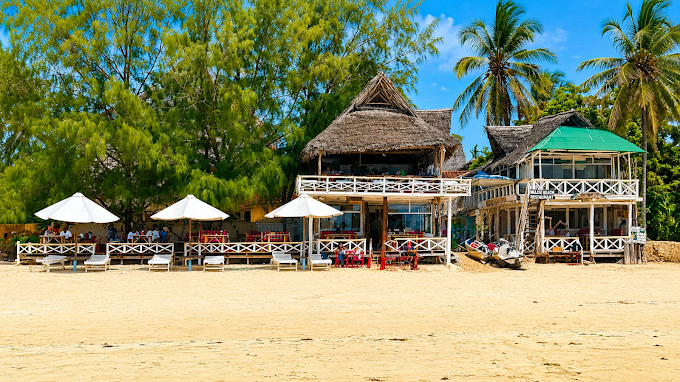
Silversands is one of the easiest ways to settle into Malindi. Close to town and simple to reach, it is the kind of beach that works whether you have an entire morning or only an hour before lunch. It does not need much planning. You come for the sea air, the changing tide, the wide sand, the early walkers, the fishermen, the photographers waiting for sunrise, and the easy reminder that Malindi is still, before anything else, a coastal town.
At low tide, the beach opens up into shallow pools and exposed reef sections. At high tide, the water feels more inviting for swimming. The atmosphere shifts throughout the day: active in the morning, quieter in the afternoon, softer again towards sunset.
Best for
Beach walks, sunrise, swimming when the tide is right, photography and relaxed first-day wandering.
When to go
Early morning between 6:00 a.m. and 8:00 a.m. is best if you want the beach at its most atmospheric. Late afternoon after 4:00 p.m. is also pleasant.
Know before you go
Reef shoes can help during low tide. Carry water and sun protection if you plan to stay long, and keep valuables minimal, as you would on any public beach.
2. Explore Malindi Marine National Park

Established as one of Kenya’s earliest marine protected areas, the park protects coral gardens, seagrass beds, reef fish and other marine life just off the Malindi coast. It is accessible, family-friendly and ideal for visitors who want an easy introduction to the underwater world of the Kenyan coast without needing to be experienced divers.
Most visitors experience the park by glass-bottom boat, snorkelling trip or longer marine excursion. Depending on the conditions, you may see colourful reef fish, corals, sea stars, sea cucumbers and occasionally turtles. Some operators also offer longer “blue safari” style trips, which may include snorkelling, swimming and lunch.
The quality of the experience depends heavily on the operator, tide, season and sea conditions, so it is worth asking questions before booking.
Best for
Snorkelling, glass-bottom boat rides, family outings, marine life and first-time ocean excursions.
When to go
Morning is usually best, especially between 7:00 a.m. and 10:00 a.m. Visibility is often better earlier in the day, and the heat is easier to manage.
December to March often brings clearer water, while July to October can also be good depending on the sea.
Getting there
The marine park is only a short drive from central Malindi. Tuk-tuks and boda bodas are easy to arrange from most parts of town.
Know before you go
Confirm current KWS fees through official channels or eCitizen before visiting. Choose licensed or reputable boat operators, especially if travelling with children or first-time snorkellers. Carry water, sunscreen, a waterproof bag and reef-safe footwear if you have it.
3. Visit the Vasco da Gama Pillar and Portuguese Chapel
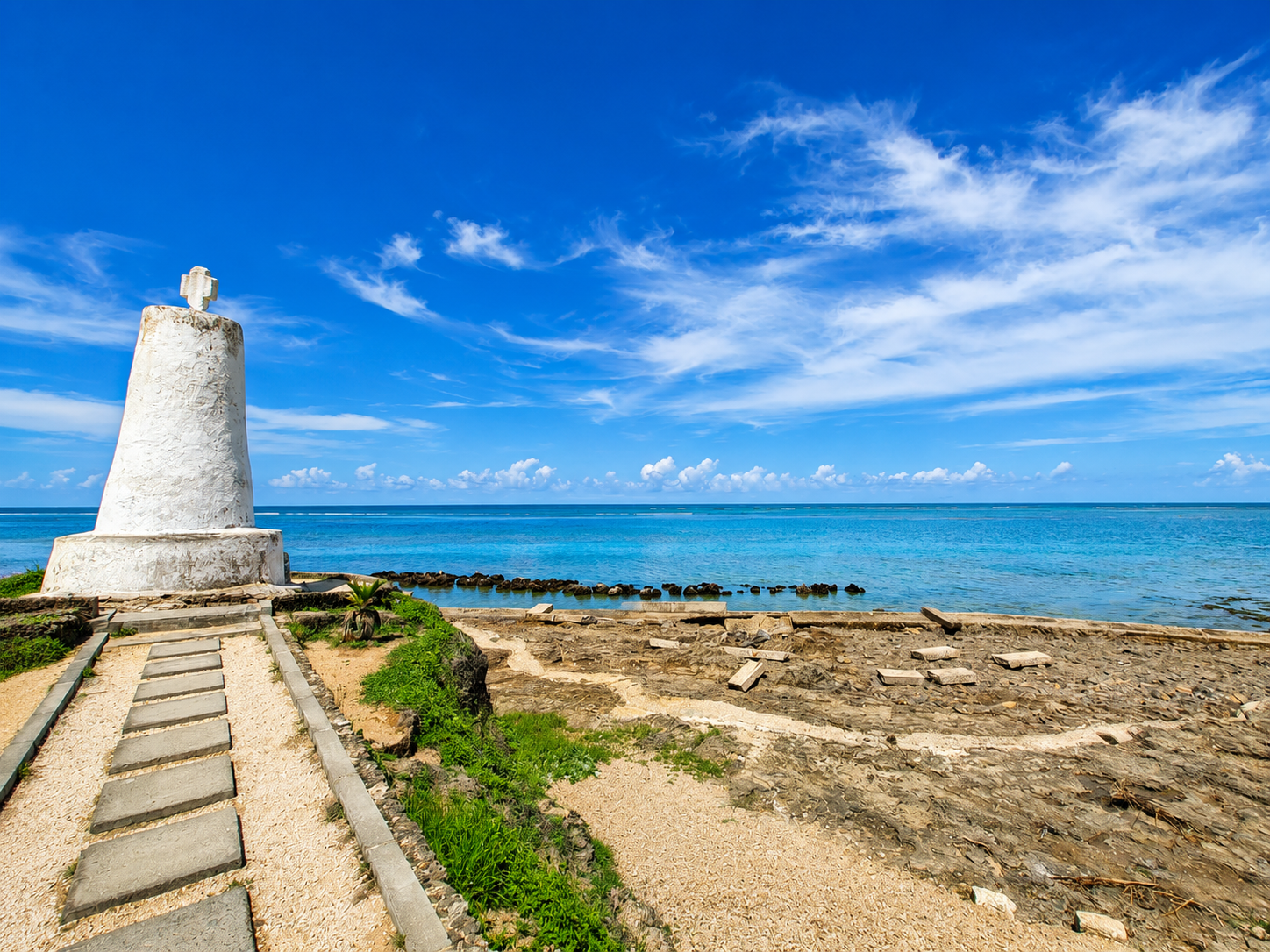
The Vasco da Gama pillar stands on a rocky point above the Indian Ocean, a small but striking landmark tied to the Portuguese presence on the East African coast. Nearby, the Portuguese Chapel offers a quieter, more intimate reminder of Malindi’s early contact with European explorers, traders and missionaries.
These are not large sites, and that is part of their appeal. They do not require a full day. They work best as a slow, thoughtful hour: the pillar for the ocean view and sense of arrival, the chapel for the older, quieter texture of the town’s history.
Best for
History, ocean views, photography and an easy cultural stop near town.
When to go
Late afternoon is ideal. The light is softer, the heat is lower and the views over the ocean are better. Morning also works if you are combining the visit with Silversands Beach.
Getting there
Both sites are close to central Malindi and can be reached by tuk-tuk, boda boda or, depending on where you are staying, on foot.
Know before you go
The sites are managed as heritage attractions, and entry arrangements may change. Confirm current fees before visiting. Allow about an hour for both.
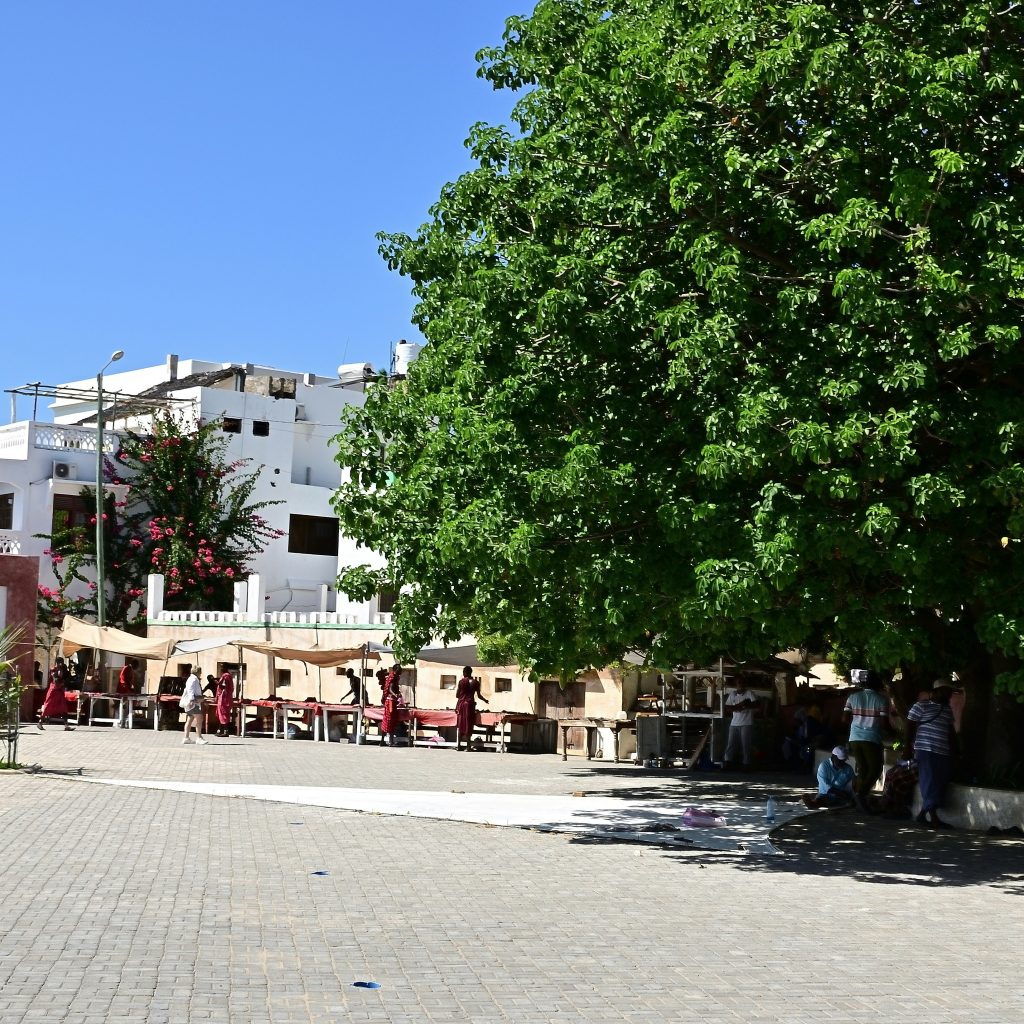
4. Walk Through Malindi Old Town

Malindi Old Town is not it is not a polished attraction built around visitors. Its value is in the streets, old buildings, carved doors, mosques, shops, markets, family businesses and the ordinary details of daily coastal life. This is where Malindi feels less like a resort destination and more like a living town shaped by Swahili, Arab, Portuguese, Indian Ocean and Italian influences over time.
A walk here gives context to the rest of Malindi. You begin to understand that the town’s identity is not only beach and seafood, but trade, migration, religion, architecture, community and adaptation.
There is beauty in the old coral-stone buildings, but also in the pace: people opening shops, children moving through narrow streets, elders seated in shaded corners, the smell of food from small eateries, and the layered feel of a place that has been lived in for generations.
Best for
Local culture, architecture, street photography, history and travellers who prefer real neighbourhoods to staged attractions.
When to go
Morning or late afternoon, when the heat is manageable and the streets are more comfortable for walking.
Know before you go
Dress modestly, especially near residential areas and places of worship. Always ask before photographing people. A local guide or someone familiar with the area can add a lot of context.
5. Eat Your Way Through Malindi’s Food Scene

Malindi is one of the few places on the Kenyan coast where Swahili food, fresh seafood, Italian influence, local breakfast culture and street-side snacks all sit comfortably together. You can start the day with mahamri and mbaazi, eat pilau or biryani for lunch, stop for coffee or gelato in the afternoon, and end with grilled seafood, handmade pasta or wood-fired pizza.
That mixture is not accidental. Malindi has long had a visible Italian community, and the town’s cafés, bakeries, restaurants and gelaterias reflect that history. But the local food culture is just as important. Some of the most satisfying meals are found in modest Swahili restaurants, vibandaski and mama ntilie stalls serving coastal staples at everyday prices.
Look for samaki wa kupaka, grilled octopus, biryani, pilau, bhajia, viazi karai, mahamri, mbaazi and coconut-rich curries. Then balance that with Malindi’s Italian side: pasta, pizza, pastries, espresso and gelato.
The best approach is not to choose one version of Malindi over the other. Try both.
Best for
Swahili food, seafood, Italian cafés, local snacks, relaxed dinners and understanding the town through taste.
When to go
Mornings are good for local breakfast and café culture. Evenings are best for seafood, street food and relaxed dining.
What to budget
Street food and local snacks can be very affordable, often from around KSh 100–400. Local Swahili restaurants may range from about KSh 500–1,500 per person, while mid-range and seafood restaurants can cost more depending on location and what you order.
Know before you go
Do not judge food only by the appearance of a restaurant. Some of the best coastal meals are served in simple local places. Ask locally for current recommendations, especially for seafood, because quality can vary by season, supply and kitchen.
6. Visit Falconry of Kenya
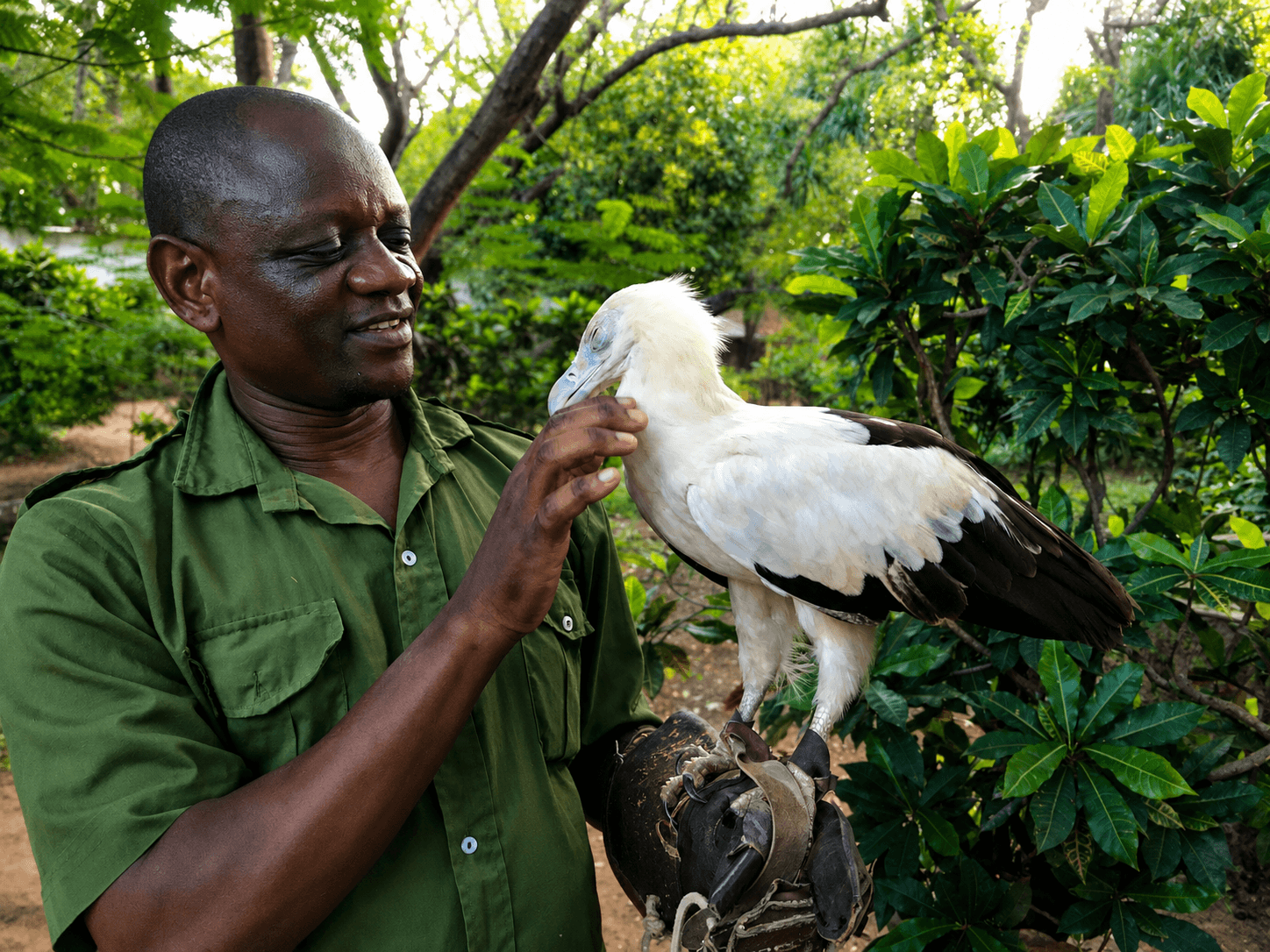
Falconry of Kenya is one of the easiest wildlife stops to fit into a Malindi itinerary, especially if you are travelling with children or want a short activity close to town.
The centre is best known for its birds of prey, including owls, eagles, hawks and falcons, but visitors may also encounter reptiles, tortoises and crocodiles depending on the current collection. It is not a large wildlife park, and it should not be treated like one. Its appeal is more intimate: guided explanations, close-up encounters and a chance to learn about animals many travellers rarely see properly.
For families, it is a useful break from beaches and historical sites. For curious visitors, it adds a different side of Malindi: small-scale conservation, animal education and local guiding in a setting that is easy to reach without leaving town for half a day.
Best for
Families, children, birds of prey, reptiles, educational visits and a short wildlife stop within Malindi.
When to go
Morning or mid-morning is usually best, before the day becomes too hot and while the visit still fits easily around other town-based activities.
Getting there
Falconry of Kenya is located within Malindi town and can be reached by tuk-tuk, boda boda or taxi from most central areas.
Know before you go
Confirm current opening hours and entry fees before visiting, as published information can vary. Go with realistic expectations: this is a small, guided wildlife experience rather than a major zoo or safari-style attraction.
7. Visit the Ancient Gede Ruins

Gede Ruins is one of the most important historical sites near Malindi, and it deserves more than a quick stop. Set within coastal forest near Watamu, the ruins preserve the remains of a once-thriving Swahili town, with coral-stone houses, mosques, tombs, courtyards and public spaces still visible. Walking through Gede is a reminder that the Kenyan coast was connected to wider Indian Ocean trade networks long before modern tourism arrived.
The site is atmospheric because of its setting. Trees grow around the ruins, monkeys move through the forest, and the remains of the town appear gradually as you walk. Without context, it is easy to see only old walls. With a good guide, the site becomes much more meaningful: you begin to understand how people lived, traded, worshipped and organised urban life centuries ago.
Best for
Swahili history, archaeology, culture, shaded walks and visitors who want depth beyond the beach.
When to go
Morning is best. The site is cooler, quieter and easier to explore before the heat builds.
Getting there
Gede is south of Malindi on the way to Watamu. It combines well with Watamu, Visit Watamu Snake Farm, Local Ocean Conservation or Mida Creek.
Know before you go
Entry fees and payment methods may change, so confirm current National Museums of Kenya arrangements before visiting. Hire a guide if possible; it makes a major difference.
8. Spend a Day in Watamu

Watamu is close enough to Malindi for an easy day trip, but it has its own rhythm. Where Malindi feels like an old coastal town with layers of history and a lived-in centre, Watamu feels more village-like, with reef-protected beaches, conservation projects, seafood spots, dive operators, mangroves and a slower pace. The two destinations work well together, especially if you are staying in Malindi and want to add variety without moving hotels.
A good Watamu day starts with the ocean. Depending on conditions, that could mean snorkelling, diving, swimming or walking along the beach. Later, you can visit a conservation centre, stop for lunch, then end the day at Mida Creek or Dabaso Crab Shack as the light softens over the mangroves.
Best for
Beaches, snorkelling, diving, turtle conservation, seafood, mangroves and relaxed day trips from Malindi.
When to go
Go in the morning for marine activities and beach time. Stay into the late afternoon if you want Mida Creek at sunset.
Getting there
Watamu is roughly 20–30 minutes from Malindi by road. Matatus are the cheapest option, while tuk-tuks and taxis are more flexible.
Know before you go
Do not try to do everything in one Watamu day. Choose a focus: beach and lunch, conservation and creek, or marine activities and sunset. Check tides and opening times before setting off.
9. Walk the Mida Creek Boardwalk and Eat at Dabaso Crab Shack

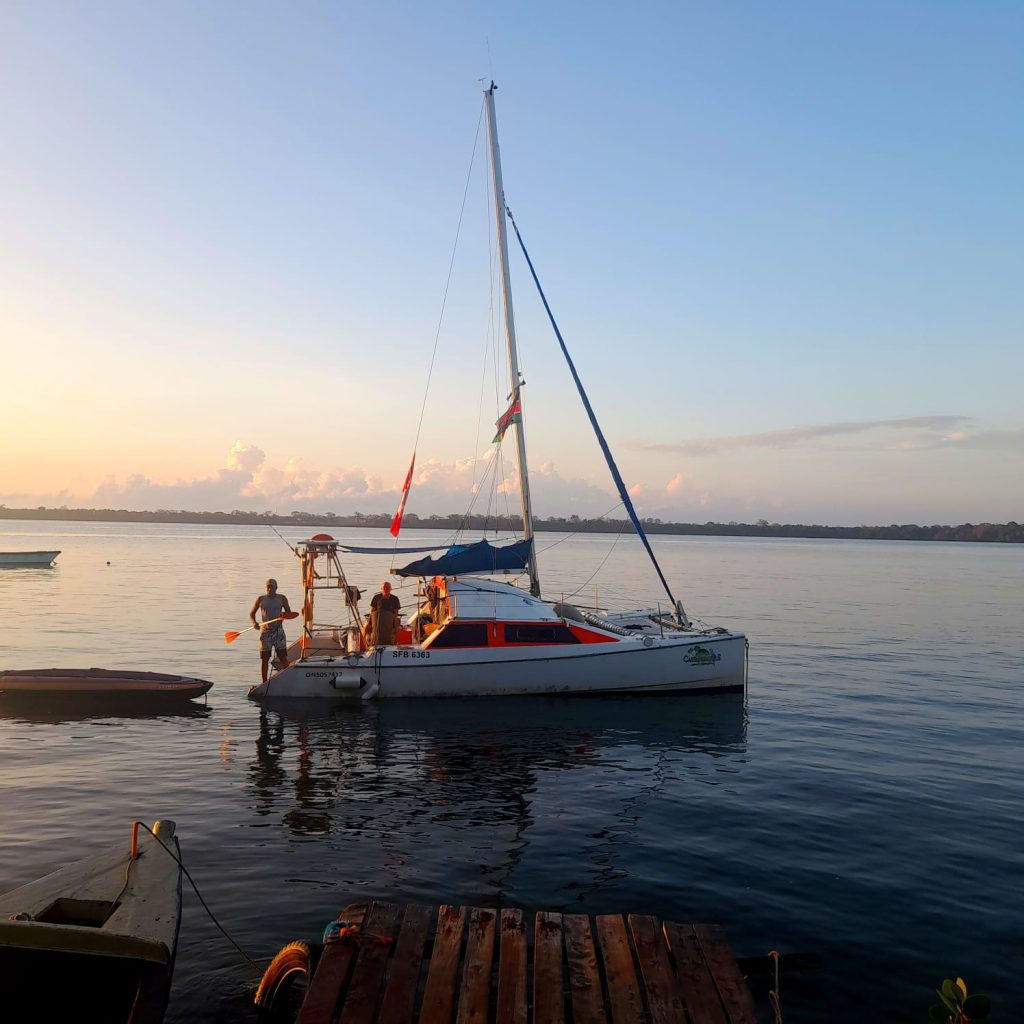
Mida Creek is one of the most beautiful natural experiences near Malindi and Watamu. The creek is a wide mangrove ecosystem of tidal channels, mudflats, birds, canoes and changing light. At Dabaso, a raised boardwalk leads through the mangroves towards Crab Shack, a community-run, low-impact restaurant with views across the creek.
This is not a place to rush through. It is best experienced slowly: walking the boardwalk, looking for birds, watching the tide, taking a canoe ride if available, and staying long enough for the afternoon light to turn the water silver or gold.
Dabaso Crab Shack is especially worth including because it connects food, conservation and community tourism in one experience. The setting is simple but memorable: mangroves behind you, creek in front of you, and crab or seafood on the table if you have booked ahead.
Best for
Mangroves, birdwatching, canoe rides, sunset, community tourism and seafood.
When to go
Late afternoon is best, especially if you want sunset views. Tide can affect the experience, so ask ahead about the best time to arrive.
Getting there
Mida Creek and Dabaso are near Watamu, around 25 kilometres from Malindi. A taxi or arranged tuk-tuk is easiest if you plan to return after sunset.
Know before you go
Book Crab Shack in advance where possible, especially for meals. Carry insect repellent and arrange your return transport before dark.
10. Visit the Watamu Turtle Watch Programme
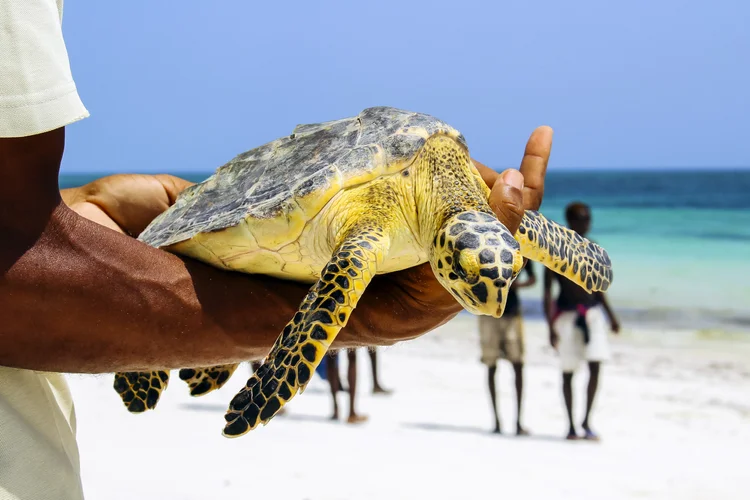
The Watamu Turtle Watch programme, run by Local Ocean Conservation, is one of the most meaningful stops near Malindi.
This is not a zoo or a casual animal attraction. It is a working conservation programme focused on sea turtle rescue, rehabilitation, nest protection, education and marine conservation. The number of turtles at the centre changes because healthy turtles are released when they are ready.
That is exactly why the visit matters. It helps travellers understand the real work behind marine conservation on the Kenyan coast, from injured turtles and fishing-related threats to community engagement and ocean education.
Best for
Families, conservation-minded travellers, students, marine life lovers and educational visits.
When to go
Check current tour times before visiting. Weekday mornings are often a good option, but schedules can change.
Getting there
The centre is in Watamu, about 25 kilometres from Malindi. It combines well with a beach visit, Visit Watamu Snake Farm or Mida Creek.
Know before you go
Expect a conservation visit, not guaranteed animal viewing. Donations or visitor contributions support the work, and booking ahead is recommended.
11. Visit Watamu Snake Farm
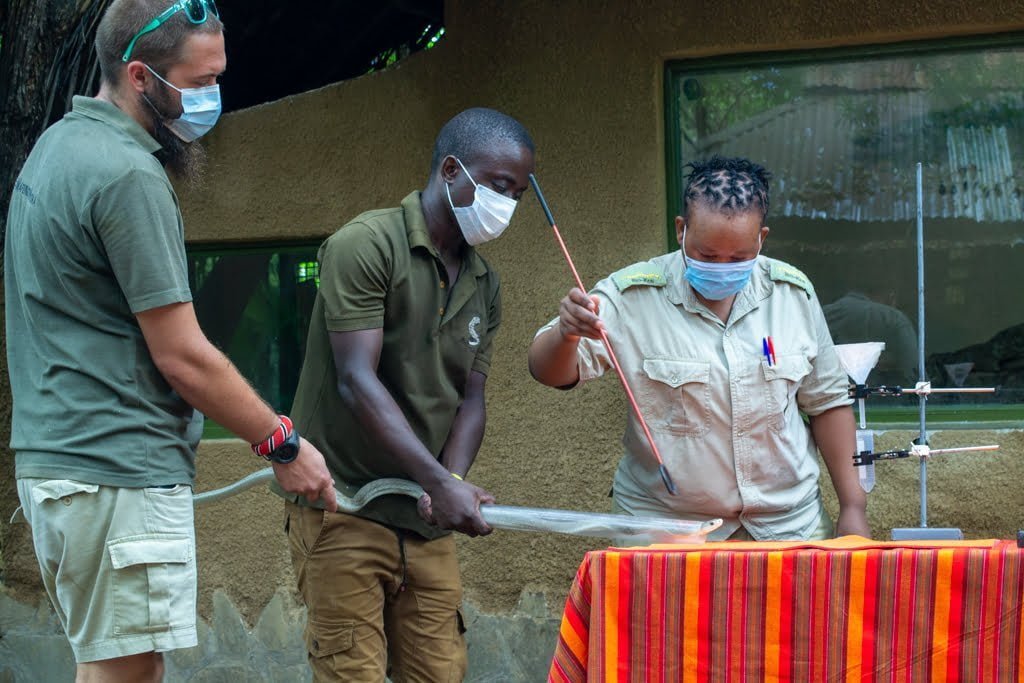
Visit Watamu Snake Farm is one of the coast’s most distinctive educational stops. For many visitors, snakes are something to avoid thinking about. Visit Watamu Snake Farm does the opposite: it brings visitors close enough to understand them. The farm introduces guests to cobras, mambas, pythons and other reptiles while explaining their role in the ecosystem, snakebite safety and venom research.
The visit is especially valuable because it turns fear into knowledge. You leave with a better understanding of which snakes are dangerous, why they matter, and what to do if you encounter one.
Best for
Wildlife education, families, reptile enthusiasts and curious visitors looking for something beyond beaches and ruins.
When to go
Morning is best, especially if you want to catch scheduled demonstrations. Confirm current opening hours before visiting.
Getting there
Visit Watamu Snake Farm is in Watamu and can be reached by tuk-tuk, boda boda or taxi from Malindi.
Know before you go
This is a guided educational experience. Listen carefully to the safety information, especially if you live on or frequently visit the coast.
12. Explore Arabuko Sokoke Forest

Arabuko Sokoke is one of the most important natural landscapes on the Kenyan coast. It is the largest remaining block of coastal forest in East Africa and an essential habitat for rare birds, butterflies, mammals and plants. For travellers, it offers a very different experience from the beach: shaded tracks, bird calls, forest air, and the chance to understand how much ecological diversity sits just inland from the ocean.
This is not a safari in the dramatic big-five sense. Its rewards are quieter. Birdwatchers come for species associated with the forest, while nature lovers come for the sense of walking through one of the last major fragments of coastal forest in the region.
A guide is strongly recommended, especially if you want to spot birds or understand the forest’s different habitats.
Best for
Birdwatching, forest walks, conservation, butterflies, rare species and quiet nature.
When to go
Early morning is best for birdlife and cooler temperatures. Late afternoon can also work, but avoid the hottest part of the day.
Getting there
Arabuko Sokoke lies south of Malindi, near Watamu and Gede. It can be combined with Gede Ruins, Watamu or Mida Creek if planned carefully.
Know before you go
Carry water, insect repellent, comfortable walking shoes and binoculars if you have them. Confirm fees and guide arrangements before arrival.
13. Watch Birds at Sabaki River Estuary
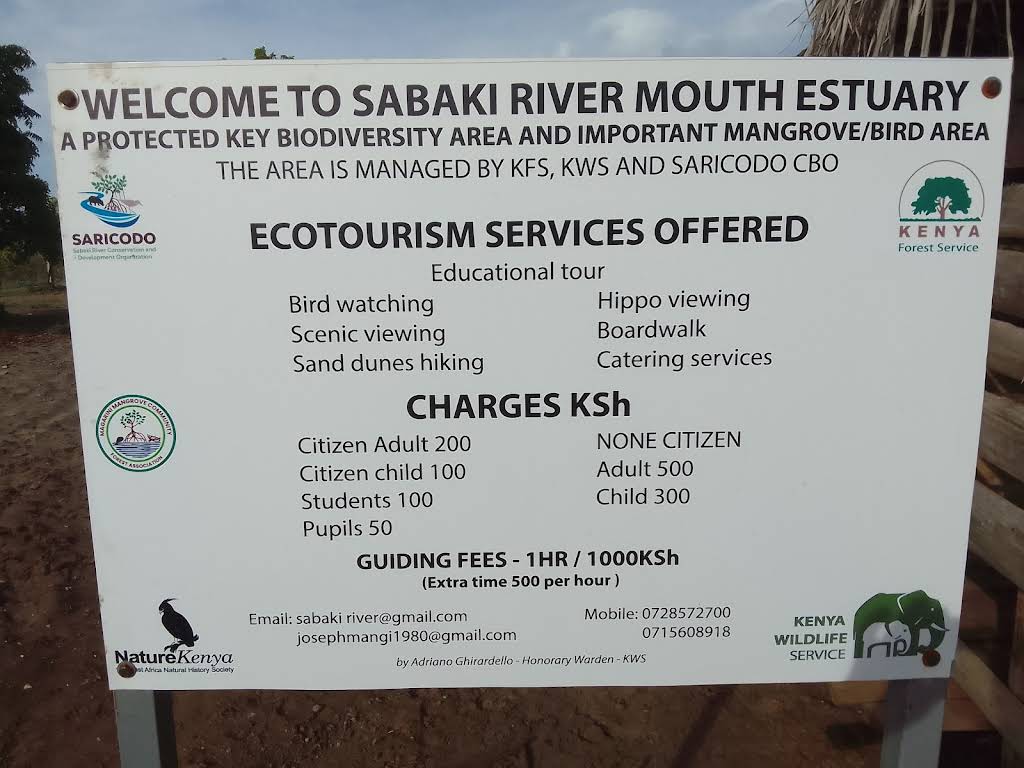
North of Malindi, the Sabaki River Estuary marks the place where river and ocean meet. It is a landscape of sandbanks, mudflats, shallow channels and open sky — less polished than a beach resort, but incredibly rewarding for birdwatchers and photographers. The area attracts both resident and migratory birds, making it one of the best nature stops close to Malindi for travellers who enjoy quiet, open landscapes.
This is the kind of place where the experience depends on patience. You walk slowly, scan the mudflats, watch the water, and let the birds reveal themselves.
Best for
Birdwatching, photography, quiet nature walks and travellers who prefer less crowded places.
When to go
Early morning is best, especially between 6:30 a.m. and 9:00 a.m. Migratory bird season generally runs from around August to April.
Getting there
The estuary is north of Malindi on the road towards Mambrui. You can reach it by tuk-tuk, boda boda, bicycle or private transport, depending on your comfort level and route.
Know before you go
Bring binoculars, sun protection, drinking water and comfortable shoes. A local guide can help with access and bird identification. Keep a safe distance from water edges and wildlife.
14. Visit the Mambrui Sand Dunes
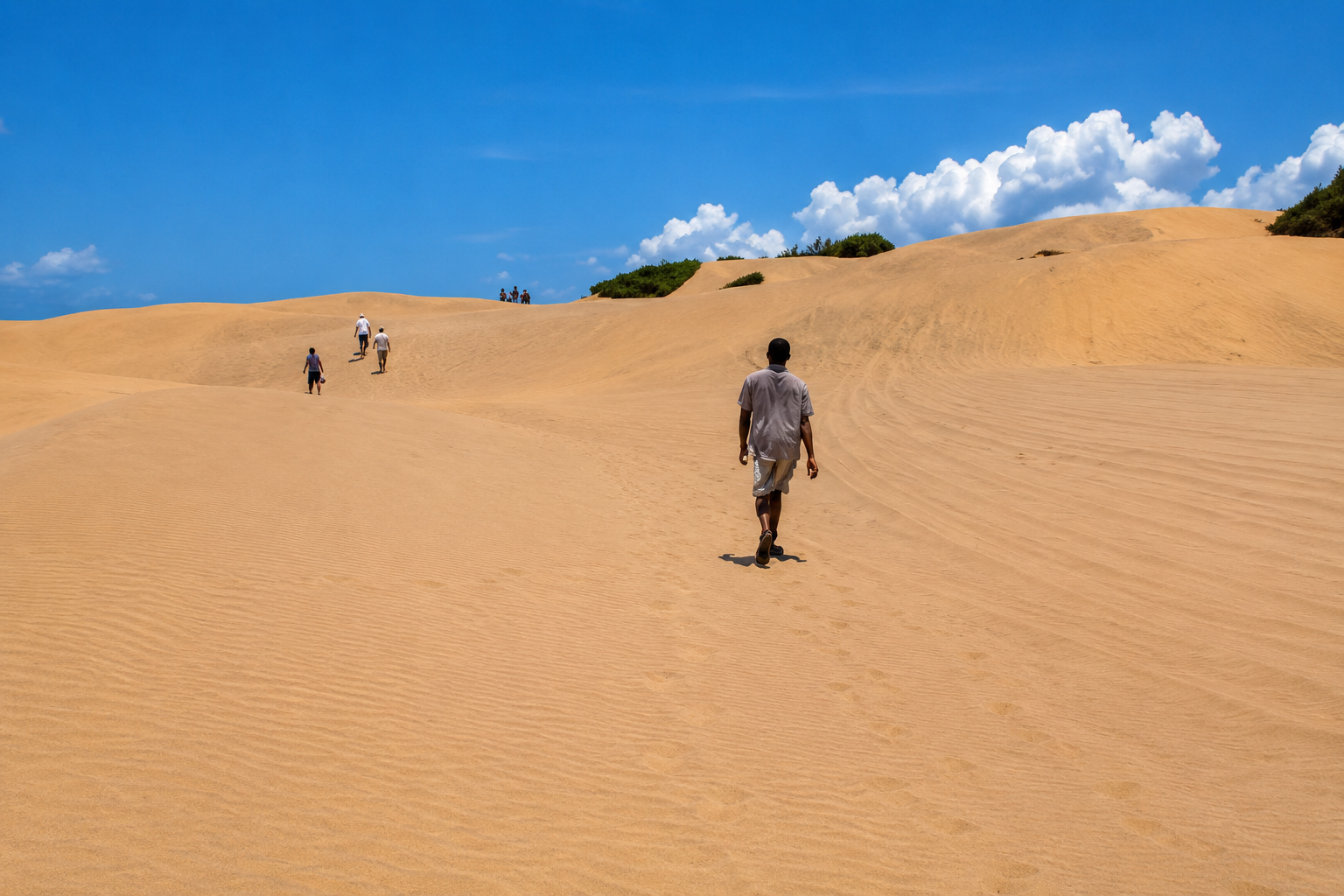
Mambrui Sand Dunes are one of the most unexpected landscapes near Malindi. The scenery shifts into open stretches of pale-golden sand shaped by coastal wind. The dunes have become popular with photographers, content creators and travellers looking for a landscape that feels completely different from the usual beach images of the Kenyan coast.
Go at the right time and the dunes are beautiful: soft light, long shadows, sea breeze and wide-open sand. Go at midday and they can feel harsh, hot and exposed. Timing is everything.
Best for
Photography, sunrise, sunset, scenic walks and a different side of Malindi.
When to go
Early morning or late afternoon. Avoid midday, when the sand can be extremely hot and the light is too harsh for good photos.
Getting there
Mambrui is north of Malindi. You can reach the area by boda boda, tuk-tuk or taxi, but it is worth confirming the exact access point in advance because routes can vary.
Know before you go
Carry water, wear proper footwear and protect yourself from the sun. If you are going mainly for photos, plan around light, not convenience.
15. See Marafa Hell’s Kitchen at Sunset

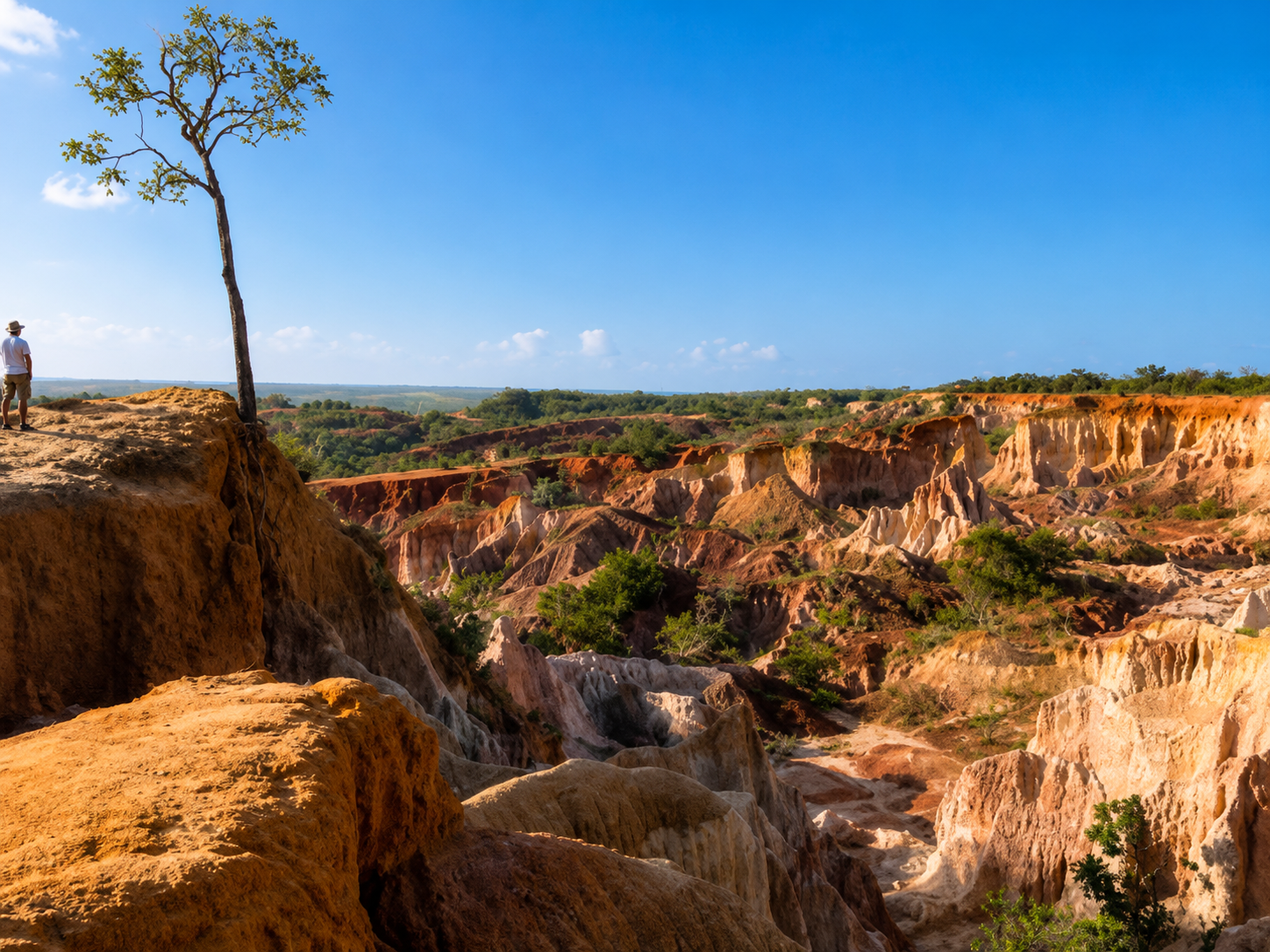
Marafa Hell’s Kitchen is one of the most dramatic places you can visit from Malindi. Officially known as the Marafa Depression, the site is a weathered sandstone landscape of ridges, gullies and canyon-like formations. The colours range from cream and ochre to deep orange and red, and they become especially striking late in the day.
This is not just a viewpoint. Most visits include a guided walk through the formations, with stories about the landscape, local folklore and the safest routes through the terrain.
The name “Hell’s Kitchen” makes sense if you go at the wrong time: the heat can be intense. But visit close to sunset and the place transforms. The air cools, the colours deepen, and the landscape becomes one of the most memorable sights near Malindi.
Best for
Sunset, photography, geology, folklore and dramatic landscapes.
When to go
Late afternoon, ideally around 4:30 p.m. to 6:00 p.m. Avoid midday heat.
Getting there
Marafa is inland from Malindi and is best reached by private car, taxi or organised excursion. It is far enough from town that return transport should be arranged before you go.
Know before you go
Wear shoes with grip, carry plenty of water and follow your guide’s instructions. Do not walk too close to unstable edges. Budget for entry, guide fees, transport and tips.
16. Explore Ndoro Sculpture Garden

Ndoro Sculpture Garden offers a quieter, more contemplative side of Malindi. Set in a tropical garden, it displays a large collection of African stone sculptures in a calm, green setting. After beaches, boats, ruins and road trips, this is the kind of stop that lets the pace slow down.
It is especially good for travellers who enjoy art but do not want a formal gallery experience. The sculptures sit among plants and shaded paths, making the visit feel more personal and reflective than commercial.
Best for
Art, gardens, photography, slow travel and a peaceful break from busier attractions.
When to go
Weekday mornings are ideal for cooler weather and quieter surroundings.
Getting there
Ndoro Sculpture Garden is around the Casuarina area and can be reached by tuk-tuk, boda boda or taxi from central Malindi.
Know before you go
Visits may be by appointment, so check before showing up. Carry cash for transport, tips or purchases if available.
17. Go Deep-Sea Fishing

Malindi and nearby Watamu have long been known for sport fishing. For anglers, this is one of the classic experiences on the northern coast. Offshore waters can offer opportunities to target sailfish, marlin, tuna and other game fish, depending on the season and conditions.
Even for less experienced visitors, a charter can be memorable: early departure, open water, skilled crews and the feeling of seeing the coast from far beyond the reef.
Best for
Anglers, ocean lovers, groups and travellers looking for a higher-end adventure activity.
When to go
Offshore fishing is possible for much of the year, but seasons vary by species. Malindi Sea Fishing Club lists October to mid/late March as the main billfish season, August to October as strong for yellowfin tuna, and January to March as especially good for blue and striped marlin.
Getting there
Charters may depart from Malindi or Watamu, depending on the operator. Confirm the departure point before booking.
Know before you go
This is one of the more expensive activities in the area. Ask what is included, whether marine fees apply, whether food and drinks are provided, what safety equipment is on board, and whether catch-and-release practices are encouraged.
18. Try Kitesurfing in Malindi or Watamu

Kitesurfing brings a completely different energy to the coast. Where snorkelling is slow and immersive, kitesurfing is all wind, speed and movement. The beaches around Malindi and Watamu can offer good conditions during the right seasons, with lessons and equipment available through specialist operators.
Beginners usually start on land before progressing into the water with an instructor. Experienced riders can arrange rentals or supervised sessions depending on conditions and availability.
Best for
Adventure travellers, water-sports lovers and visitors looking for something more active than a beach day.
When to go
The main wind seasons are usually December to March and June to September. Afternoons often bring stronger winds, but conditions vary.
Getting there
Popular areas include parts of Malindi, Che Shale and Garoda Beach near Watamu. Choose your operator first, then plan transport around the meeting point.
Know before you go
Book with a qualified instructor if you are a beginner. Check wind and tide conditions before your session and use proper sun protection.
19. End With a Slow Coastal Evening
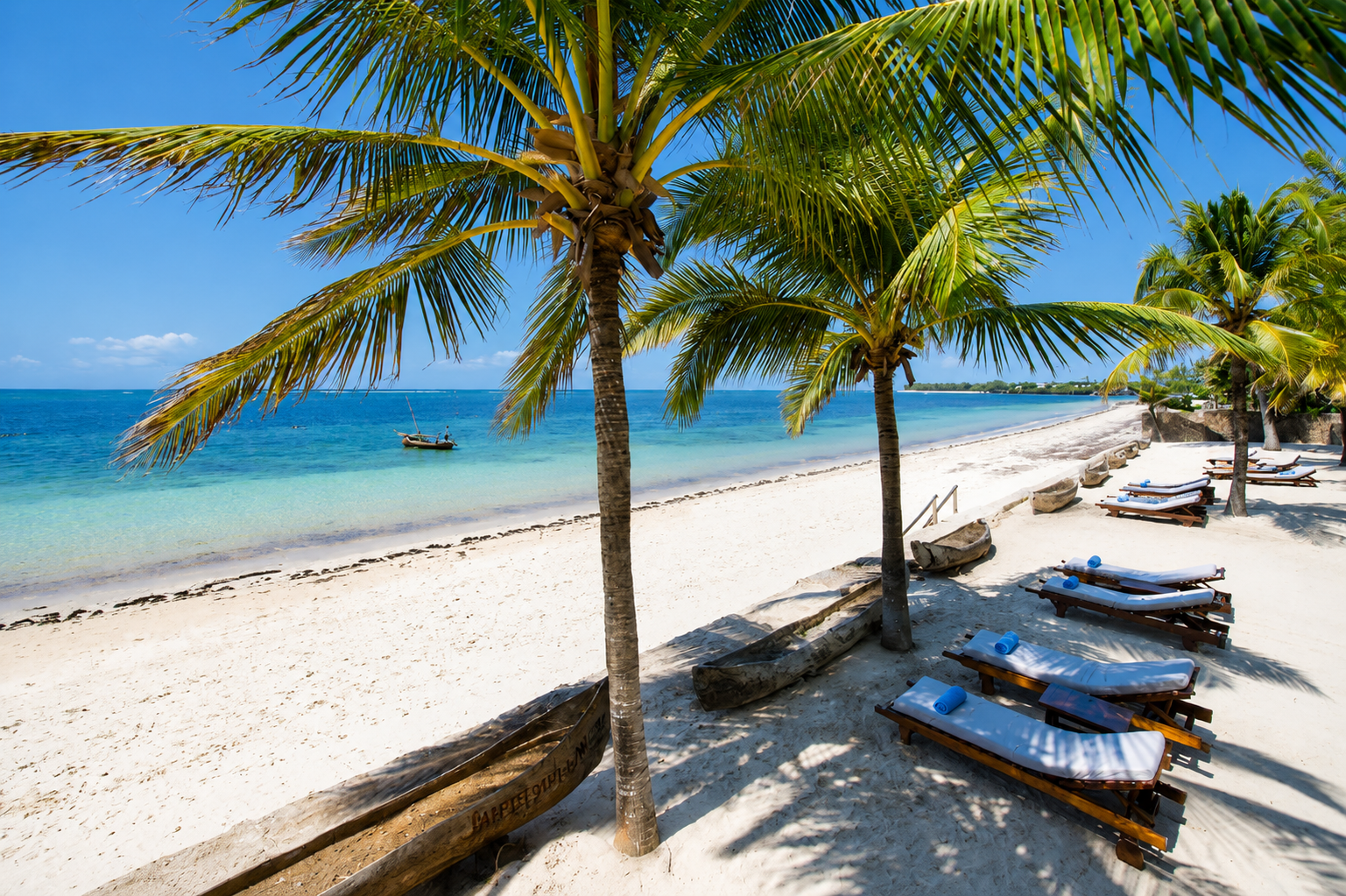
One of the best things to do in Malindi is not really an attraction at all: it is allowing the day to end properly.
After a morning in the marine park, a walk through Old Town, a trip to Gede or an afternoon at Mida Creek, give yourself time to settle somewhere for dinner. Malindi is at its best when you do not over-schedule every hour.
That evening might mean grilled seafood near the water, pasta in one of the town’s Italian-influenced restaurants, Swahili dishes in a local spot, or a simple snack after sunset. It might mean walking along the beach, taking a tuk-tuk back through town, or sitting outside as the air cools and the pace drops.
This is where Malindi starts to feel less like a list of things to do and more like a place with a rhythm of its own.
Best for
Slow travel, food, people-watching, relaxed dinners and ending the day without rushing.
When to go
After sunset, especially once the heat has eased.
Know before you go
Ask locals for current restaurant recommendations. Malindi’s food scene changes, and the best meal is not always the most advertised one.
Best Malindi Itineraries
One-Day Malindi Itinerary
Start early at Silversands Beach or Malindi Marine National Park. Visit Vasco da Gama Pillar and the Portuguese Chapel before lunch, then walk through Old Town in the afternoon. End with a seafood or Italian-influenced dinner in Malindi.
This is the best option if you are short on time and want to stay close to town.
Two-Day Malindi Itinerary
Use the first day for Malindi town: Silversands, the marine park, heritage sites, Old Town and the food scene.
On the second day, visit Gede Ruins in the morning, continue to Watamu, then end at Mida Creek and Dabaso Crab Shack in the late afternoon.
This gives you a strong mix of history, beach, food, conservation and mangroves.
Three-Day Malindi Itinerary
Add either Arabuko Sokoke Forest or Sabaki River Estuary for nature, then plan Mambrui Sand Dunes or Marafa Hell’s Kitchen for sunset.
This is the better option if you want to experience Malindi beyond the obvious highlights.
Tips for Visiting Malindi
The best time to plan outdoor activities is early morning or late afternoon. Midday can be very hot, especially at dunes, ruins, beaches, open viewpoints and Marafa.
Use tuk-tuks for short trips around town. Boda bodas are cheaper and faster, but less comfortable. For longer distances, especially Marafa, Mida Creek, Arabuko Sokoke and Mambrui, taxis or private transport are more reliable.
Carry some cash for small payments, tips, local food and transport, but expect some official attractions to require digital payments.
Confirm fees before visiting parks, museums and conservation centres. Charges can change, and online information is not always updated consistently.
Dress modestly when walking through Old Town or visiting cultural and religious areas.
For marine activities, choose reputable operators and ask about safety equipment, tides, visibility and what is included.
For nature sites, carry water, insect repellent, sun protection and comfortable shoes.
Most importantly, do not treat Malindi as just a beach stop. The town’s real appeal is in the combination: beach mornings, old streets, coral reefs, Swahili ruins, mangroves, forest, local food, Italian cafés, dunes and inland canyons. Give it enough time, and Malindi becomes one of the most layered destinations on the Kenyan coast.