Tsavo East National Park
-
BY admin
- June 4, 2023 8:57 am
- no comment
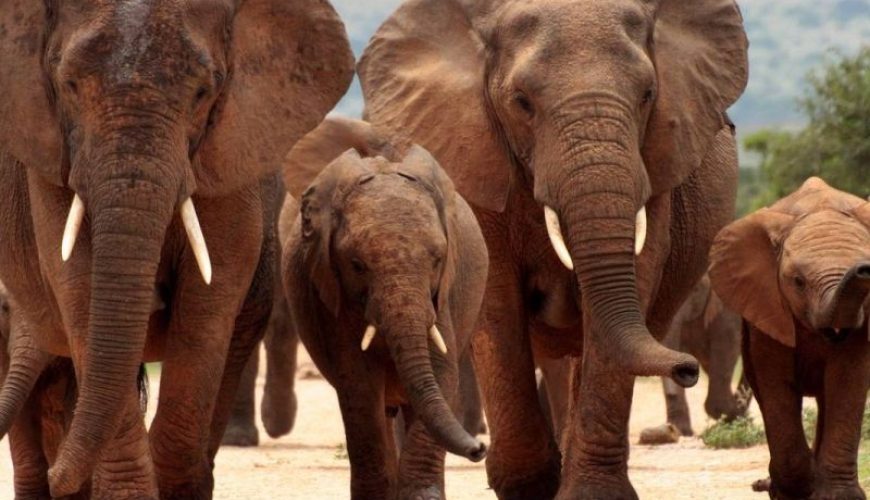
Explore acacia savannahs where dust‑red elephants and maneless lions roam free

 BY admin
Explore acacia savannahs where dust‑red elephants and maneless lions roam free
BY admin
Explore Mzima Springs, lava fields and Kenya’s iconic red elephants.
BY admin
Discover the Geological Marvel and Abundant Wildlife of Mzima Springs Mzima Springs, located within the breathtaking Tsavo National Park in Taita-taveta County, Kenya, has captivated visitors with its stunning beauty and fascinating geological formation. These series of four springs owe their existence to a combination of rainfall, underground rivers, and porous volcanic rocks. Renowned for its crystal-clear waters and vibrant wildlife, Mzima Springs has become an iconic attraction in the region. The story of Mzima Springs begins in the Chyulu Hills, a volcanic mountain range adjacent to the springs. Thanks to substantial rainfall, the porous volcanic rocks of the hills serve as a natural reservoir. Rainwater seeps into these rocks, gradually creating a vast network of underground rivers. These rivers converge and flow towards the lower-lying areas, including Mzima Springs. The volcanic rocks’ porous nature allows the water to filter through, accumulating in underground reservoirs over time. The Clarity of Mzima Spring’s Waters Mzima Springs, originating from the Chyulu Hills, is a remarkable water source producing an astonishing 250 million liters of fresh water daily, playing a vital role in supplying Mombasa. As the water emerges from the underground reservoirs, it forms four main springs that collectively feed a series of pools and lush vegetation. The exceptional clarity of the water at Mzima Springs is a result of its filtration through the porous volcanic rocks. This natural filtration process effectively removes impurities, resulting in remarkably clear and transparent waters. Visitors can peer into the depths of the springs, where they will be captivated by the thriving aquatic life below. Additionally, Mzima Springs offers a unique feature—a specially designed underground tank with perspex sides. This tank allows visitors to view numerous fish at eye-level, both below and above the waterline, providing an even more immersive experience. Wildlife Haven Mzima Springs is famous for its resident populations of hippos and Nile crocodiles, making it a true haven for wildlife within Tsavo National Park. These magnificent creatures can be observed in their natural habitat, offering an awe-inspiring spectacle. Wildlife film-makers Alan and Joan Root immortalized Mzima Springs in their nature documentary “Mzima: Portrait of a Spring” (1969), featuring remarkable underwater footage of the hippos and crocodiles. The springs were also the subject of the Survival Special “Mzima: Haunt of the Riverhorse” (2003), which revealed the first-ever recorded footage of hippo infanticide. Nature Trails and Scenic Splendor Exploring Mzima Springs is an adventure that allows visitors to immerse themselves in the park’s breathtaking landscapes. Well-maintained nature trails wind along the shoreline, offering glimpses of the abundant wildlife and panoramic views. The main trail stretches approximately 1 kilometer and can be comfortably walked in about 20 minutes. Along the way, lush vegetation, towering trees, and a rich variety of bird species add to the enchantment of the surroundings. Mzima Springs’ trails provide a serene escape where visitors can reconnect with nature and appreciate the wonders of the park. Education and Conservation Mzima Springs also serves as an educational hub, offering programs by the Kenya Wildlife Service that highlight the water cycle and the importance of water conservation. Visitors have the opportunity to deepen their understanding of the delicate balance of ecosystems and the significance of preserving these natural resources for future generations. Preserving a Natural Treasure The existence of Mzima Springs depends not only on the geology of the region but also on maintaining a delicate balance between rainfall and the replenishment of underground water sources. As a vital water source for diverse wildlife and local communities, the management and conservation of these springs are crucial.
BY admin
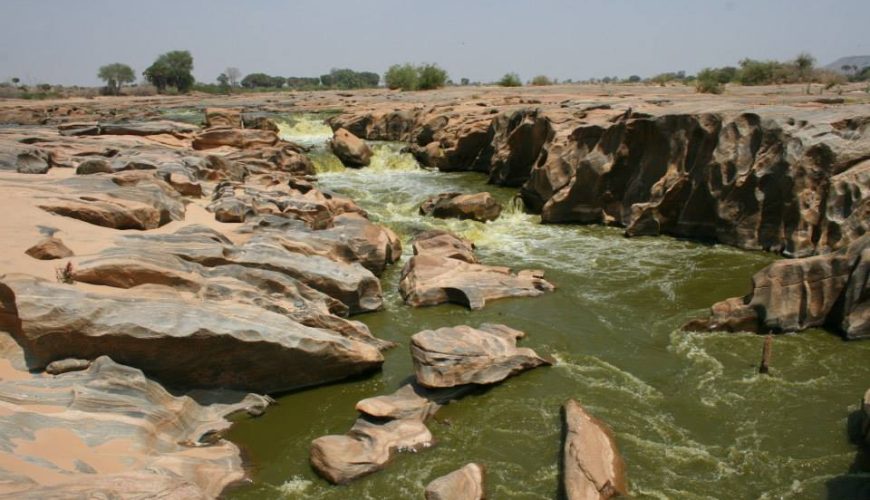
Lugard Falls, situated in the central region of Tsavo National Park within Taita-Taveta County, is a captivating natural marvel renowned for its abundant historical significance. Its name pays homage to Frederick Lugard, a distinguished British explorer and colonial administrator. Geographic formation Lugard Falls is formed by the Galana River as it encounters a series of geological features in its course. The river’s rapid flow leads to a plunge into a large pool, creating a mesmerizing display of natural power. The surrounding landscape, shaped by the relentless force of the river, has resulted in a narrow rocky gorge through which the water flows, culminating in the breathtaking cascade of Lugard Falls. The falls are known for their impressive white water rapids, caused by rocks obstructing the Galana River’s path. The water plunges into a large pool, offering a captivating spectacle. One of the distinctive features of Lugard Falls is the presence of multicolored rocks. These rocks, exhibiting beautiful strips of pink, light grey, and white, add to the unique appeal of the falls. The constant flow of water has shaped and carved these rocks, contributing to the visually stunning landscape. Opening Hours: Lugard Falls is open for visitation from 9:00 am to 6:00 pm every day. Best Time to Visit: The falls can be visited throughout the year, regardless of the season. However, the rainy season, which typically occurs from March to May and October to December, offers a more powerful, and visually striking experience as the water flow intensifies. What to Wear: To make the most of your visit to Lugard Falls, it is recommended to wear comfortable clothing and sturdy walking shoes. Additionally, bring a hat, sunglasses, sunscreen, and insect repellent to protect yourself from the sun and potential insects in the area. Additional Information: Crocodile Point: Located about a kilometer below the falls, Crocodile Point is a habitat for giant crocodiles and hippos. It’s an interesting spot to observe these fascinating creatures. Safety Precautions: While exploring Lugard Falls, always adhere to safety guidelines. Stay a safe distance from the falls and follow instructions from park rangers to ensure a secure and enjoyable visit. Activities to be enjoyed at Lugard Falls Hiking Here the starting point is from Lugard and Harlech Road, you can walk either way and later you will end up back at the same time spot, following the clockwise there is a great view of the Peak Tower as you finish your hike this takes you around 40 minutes. There are several hiking trails around the peak but this is a very easy option that is a gentle walking path rather than a hike. It is a flat and pave the whole way even small children with little legs can manage it easily, you pass many people on the way and it is a popular running spot for locals. The path takes you through typical jungle-like Hong Kong growth, Banyan tree root system, tentacle-like. Lugard Falls is also a nice point of interest and if there has been recent rain it will be full flow, cascading down the mountain Guided Tours For a more enriching experience, guided tours are available at Lugard Falls. Knowledgeable park rangers can accompany visitors and provide valuable insights about the falls, the surrounding ecosystem, and the diverse wildlife species in the area. Wildlife safaris There are various animal species in Lugard Falls and including the cheetah, zebras, hippos, wildebeest, giraffes, wild dogs, hyenas, and many others and the Lugar Falls also acts as a good sighting area for those animals during your visit to the Tsavo East National park. Birds Safaris In Lugard Falls you also be able to view or observe the unique variety of bird species such as crowned crane, black kite, lovebird, sacred ibis, and many more, here you can observe the bird species since the falls are on a flat land with dry plains a cross in the Tsavo East national park. Nature walking safaris Nature walking offers an incredible wildlife experience, this safari is done on foot and the visitors around led by the ranger guides for protection from animal attacks for example like from the crocodiles in Lugard Falls, the tourists or visitors enjoy the beautiful nature of the Lugard falls that is by viewing the power of the waterfall disappearing in deep chasms in its boundaries, you can be able to see hippos and crocodiles below the fall. Camping If you’re seeking an immersive outdoor experience, camping is an option within and around Lugard Falls. Galessa Camp, located a short distance upstream from the falls, offers a picturesque camping site. The camp is open year-round, allowing visitors to enjoy the beauty of the area regardless of the season. The climate The climate in this region is generally hot and dry, with refreshing cooling breezes that can be attributed to the nearby Lugard Falls. Camping amidst the natural splendour of Lugard Falls provides a unique opportunity to connect with nature and fully immerse yourself in the tranquil ambiance of the surroundings.