




A resident’s look beyond the tourist image of the Kenyan Coast
Most people come to the Kenyan Coast expecting a change of scenery, not a change of culture. They pack their bags and imagine life will continue more or less as they know it, only with warmer weather and the ocean somewhere nearby.
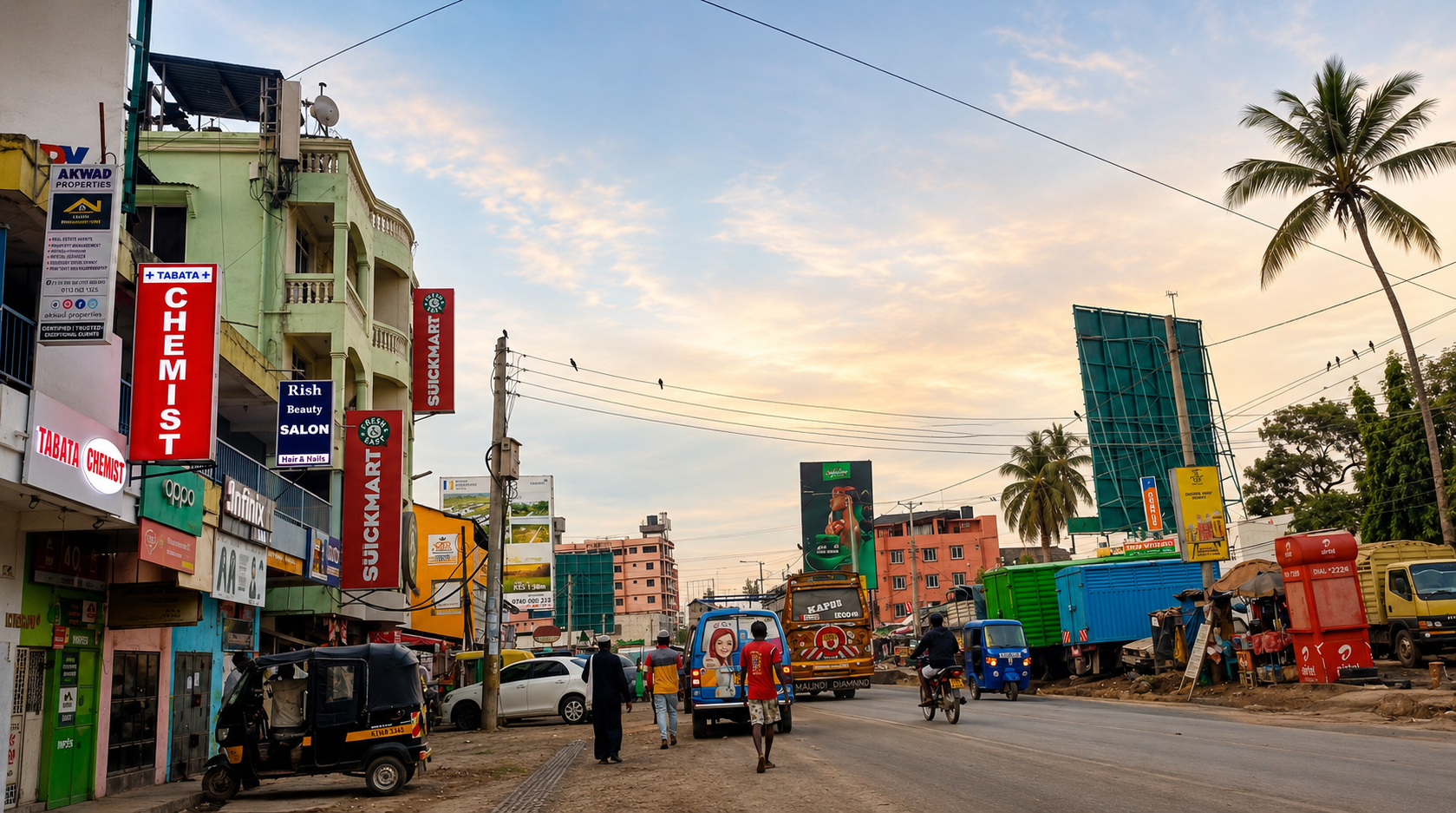
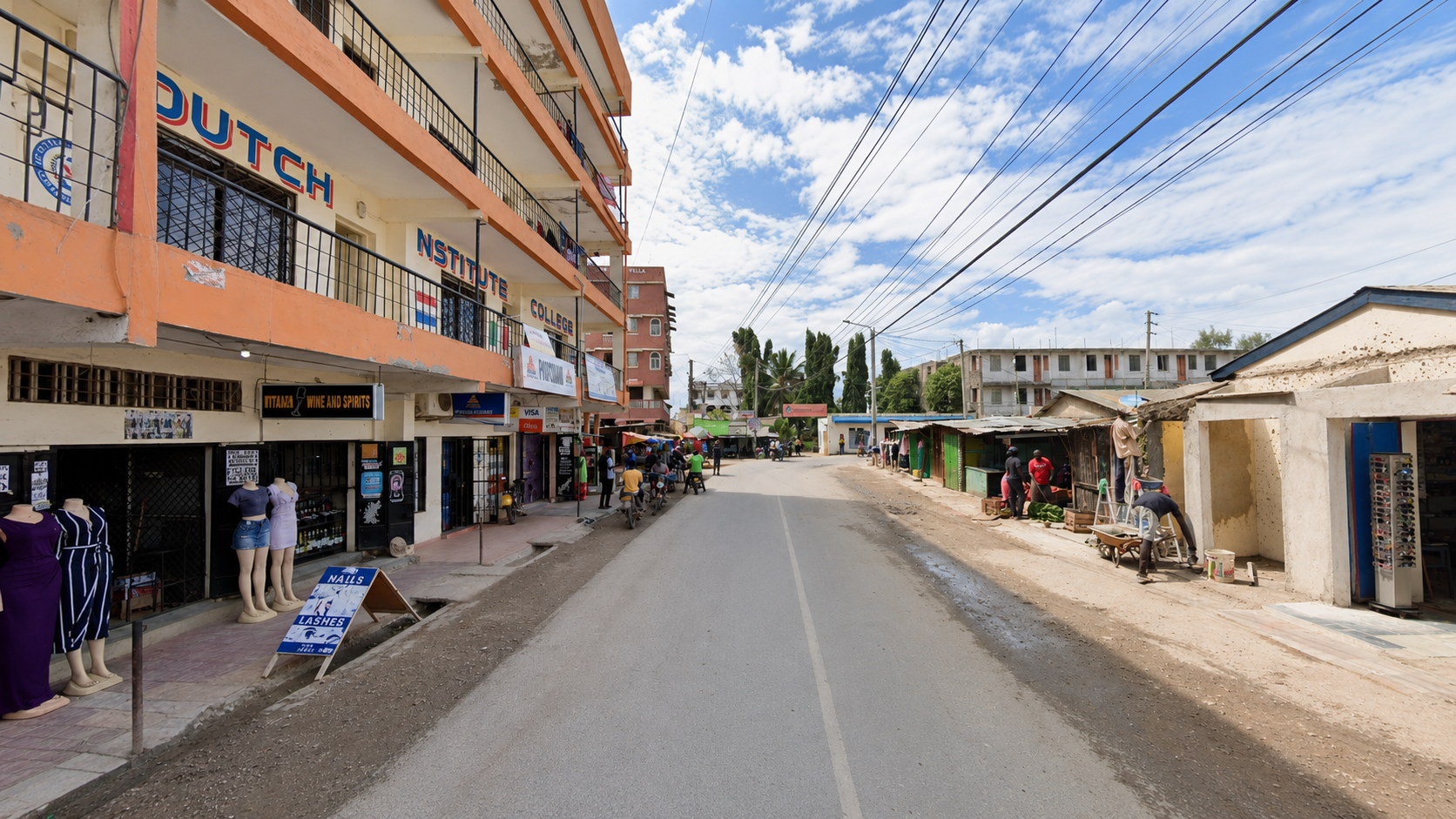
At first, this busy town just north of Mombasa can seem easy enough to read, with tuk-tuks on the road, roadside shops, and the steady movement of people going about their day.
But Mtwapa does not give itself away quickly. Stay long enough and you begin to notice the rules that were there all along.
This is the Mtwapa no travel guide quite prepares you for, a town with its own language, its own clock, and its own way of moving through the day.
The Language Will Catch You Off Guard
If you grew up outside the coastal region, you may be used to Sheng, the fluid slang that blends Kiswahili, English, and everything in between. On the Coast, language can feel different. Kiswahili here is often more formal, more layered, and more locally rooted than the Sheng many visitors from Nairobi or upcountry areas are used to.
Greetings are more structured than most newcomers expect. Younger people greet elders with shikamoo, answered with marahaba. General greetings follow their own rhythm: hujambo is met with sijambo, and habari ya kushinda is answered with nzuri or salama, then sijuizako turns the question back to you. Skip this back-and-forth and you will come across as abrupt without meaning to.
The gap shows up in practical ways too. In Nairobi, you might ask for pilau masala. In Mtwapa, you may quickly learn to ask for dawa ya pilau instead, because masala can mean powdered chilli in some local shops. Get it wrong and you go home with the wrong ingredient, wondering what just happened.
Some words also carry different meanings depending on where you are. A word that sounds startling to someone arriving from outside the Coast may be ordinary in local speech, which is why listening to context matters. For instance, the word shoga may appear casually in everyday conversation here, unremarkable to locals but surprising to newcomers. You are not just learning a new place. You are learning a new language inside a language you thought you already knew.
Life Runs on a Different Clock
Mornings in Mtwapa can be surprisingly quiet. Some shops open late, some kibanda owners are not yet around, and very little may seem to be happening. Life often starts properly at nine or ten, sometimes later.
There is a reason for this. By eleven, the heat is serious. By midday, it can be relentless. Anyone doing physical work between eleven and three will feel the deep, draining tiredness the Coast can draw out of you whether you are ready for it or not. Front-load anything demanding before eleven or leave it for after three. The Coast is not telling you to be lazy. It is telling you something about how to survive the heat.
By afternoon, things pick up. By evening, Mtwapa comes alive. Streets get busier, food feels fresher, and conversations grow louder. If you need to get something done, the afternoon or evening may serve you better than an early morning errand that leaves you standing in front of closed shutters.
Then there is wenyewe, called out when someone arrives at a neighbour’s door or a local shop, where elsewhere you might expect hodi. The response comes back in the same spirit. It carries a warmth that hodi does not quite hold, an assumption of belonging rather than simply asking for permission to enter. Even small things take time to absorb. The casual kuja you might use without thinking elsewhere becomes njoo here. These are not big adjustments on paper. In practice they accumulate, and you find yourself still catching up months later, still listening carefully, still getting it wrong occasionally. That is not failure. It is what it takes to live somewhere rather than simply pass through.
Faith, Fridays, and the Call to Prayer
Islam is deeply visible in Mtwapa’s daily rhythm. Once you understand that, much of what first seems random begins to make more sense. Friday has its own rhythm. Some Muslim-owned businesses may close early, pause around prayers, or remain closed for part of the day. It helps to plan ahead and avoid leaving important errands to Friday afternoon.
The call to prayer, the adhan, sounds five times a day, always on time. If you have never lived somewhere with faith woven so clearly into the sound of daily life, it may take adjustment. Over time, it becomes one of the most distinctive parts of living here.
What Will Surprise You Most
Dress is one of the first contrasts newcomers may notice. Among the indigenous coastal community, modest dress is common, with many women wearing deras, long loose garments that reflect both culture and faith. But Mtwapa is also home to people from other parts of Kenya and beyond. In the same town, you may see casual nightlife clothing, short dresses, beachwear and swimwear. These realities exist side by side, often without the tension a newcomer might expect.
For someone arriving with a fixed idea of what the Coast should look like, the contrast can be jarring. But local people are used to these layers. What surprises a visitor may be part of the everyday landscape for someone who lives here.
Customer service can feel different from what newcomers expect. In some small local places, a kibanda attendant may not immediately acknowledge you, make eye contact, or respond with the kind of warmth you expect at the point of sale. That does not always mean hostility. In many places, warmth is not performed through constant attention. It comes later, through familiarity, repeated visits, and becoming a known face. Give it time.
Mtwapa also shows how coastal beauty and economic hardship can exist side by side. The postcard image of the Coast does not capture the full reality of how many people live. You may also hear conversations about visibility, jealousy, and the risks of appearing too successful. Whether or not a newcomer fully understands those fears, they are part of the social landscape people talk about.
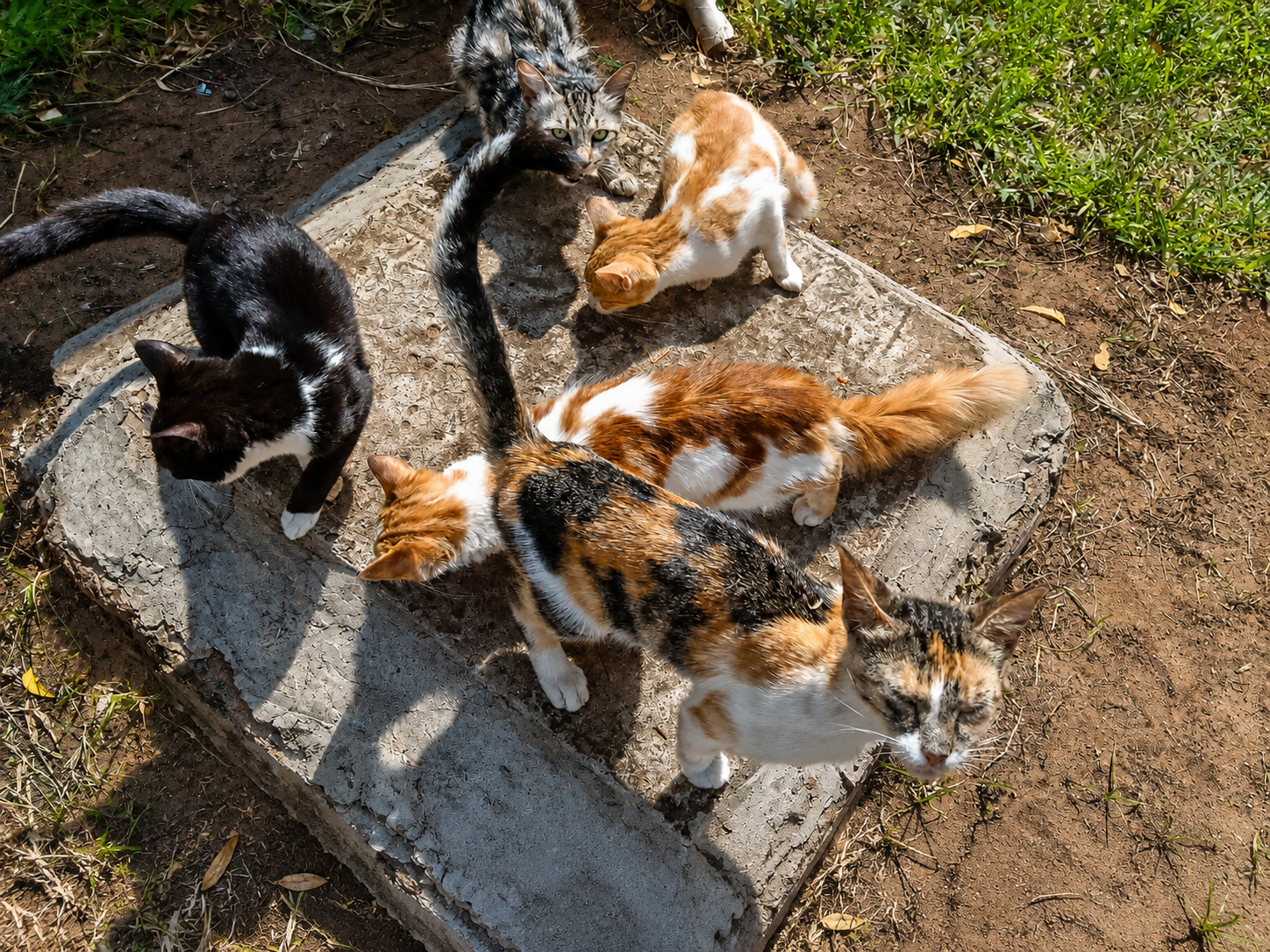
The cats are everywhere too, and people’s feelings about them are not simple. They are kept deliberately as pets or for pest control, but the belief that certain cats carry something more than feline instinct is not dismissed here the way it might be elsewhere. A newcomer does not have to adopt every belief, but dismissing things too quickly can make you miss how people understand the world around them.
The Surprises That Work in Your Favour
Not everything is disorienting. The food is one of Mtwapa’s genuine gifts, and it carries a flavour entirely its own. Fish cooked in coconut, samaki wa nazi, is difficult to explain to someone who has not tasted it. The coconut does not simply add richness. It changes the dish completely. Mhongo comes two ways here: boiled and served with pilipili ya kukaanga, the fried chilli that cuts through the starch with real heat, or raw, chewed together with fresh nazi in a combination that is quiet and deeply savoury. You may not find this kind of food in a polished restaurant. You find it on the street, sold by women who may not have formal stalls. They walk with what they have, and you buy from wherever your paths happen to cross.
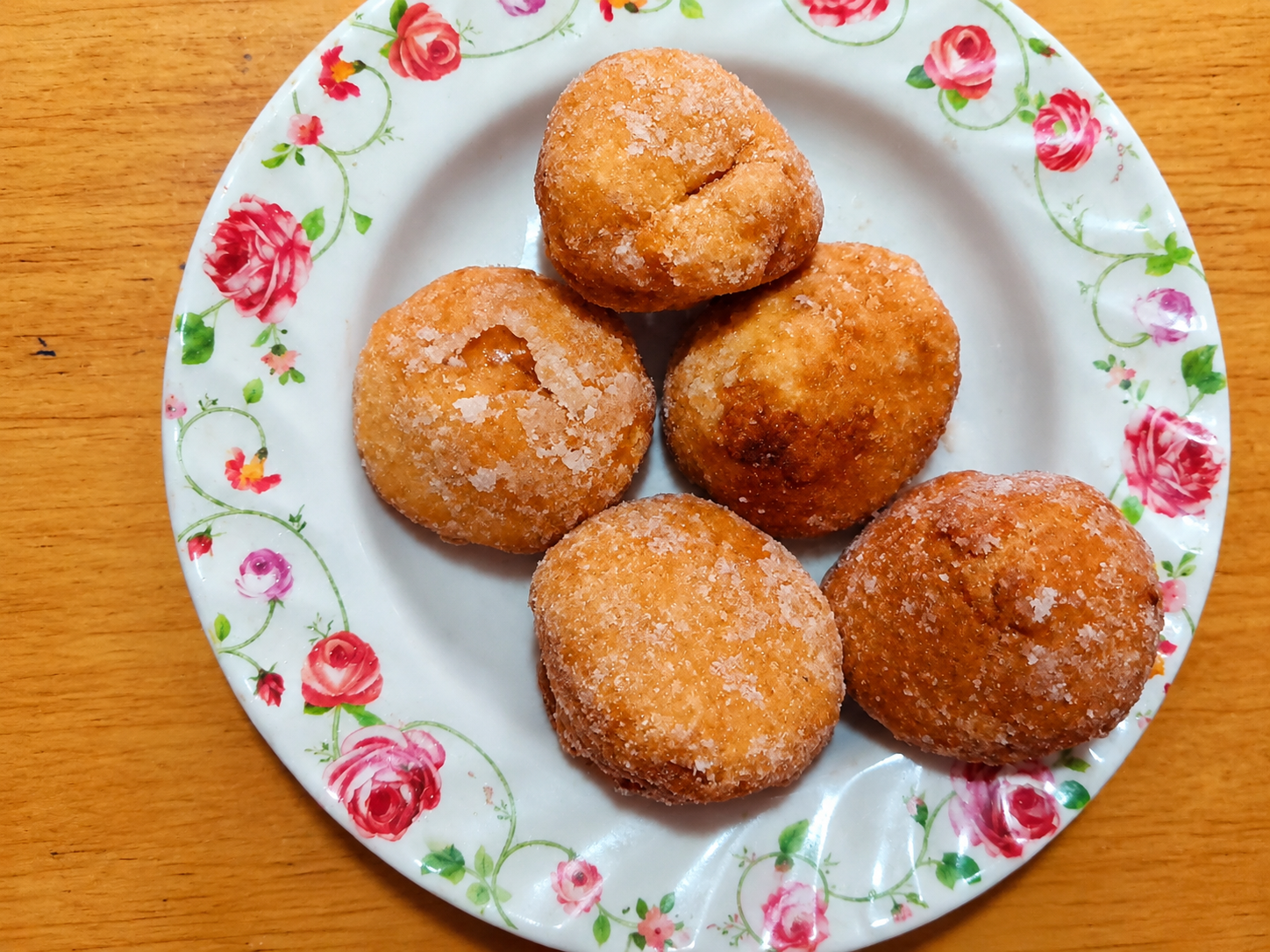
For a fuller coastal spread, you will find vibanda serving maharagwe ya nazi, viazi karai, mahamri and mitai, a mandazi-style treat with a light sugar coating. You do not need a map for these places. They are part of the everyday food landscape.
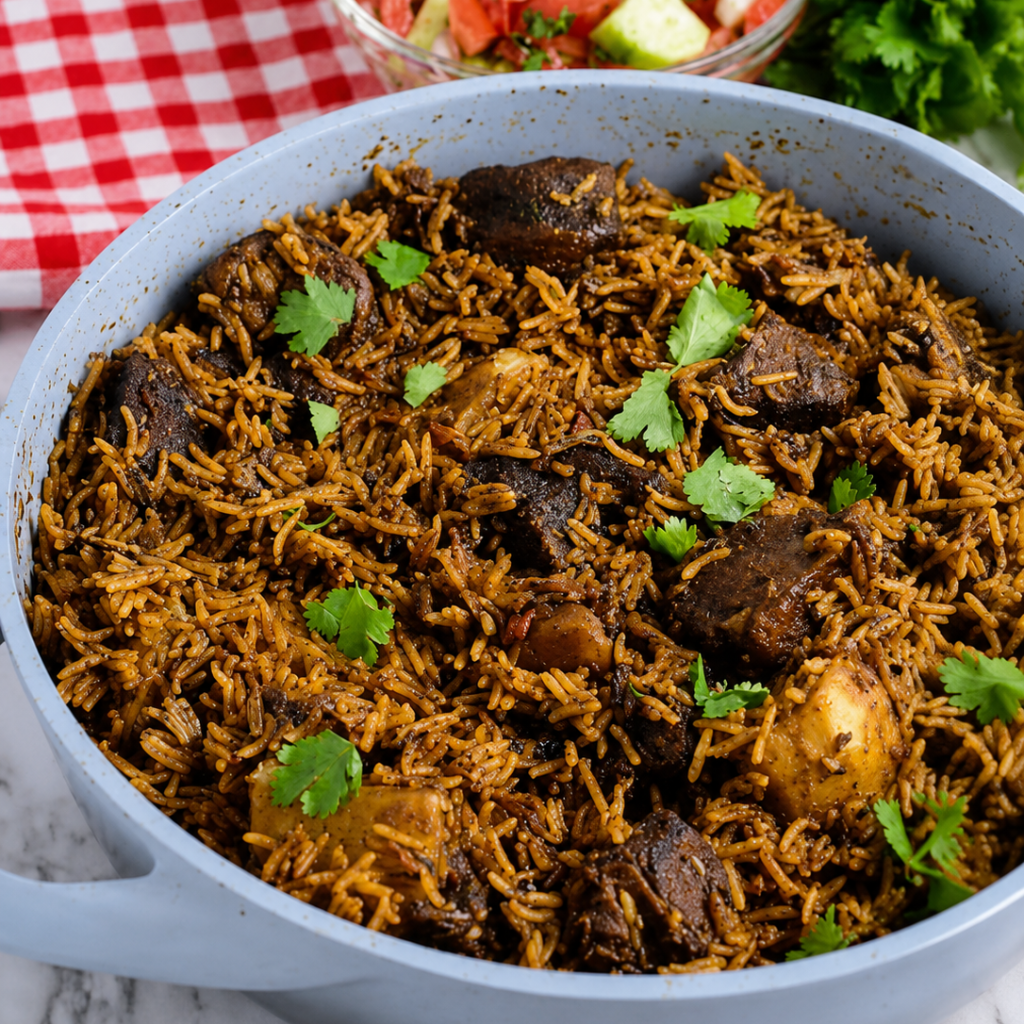
For biryani and pilau, one local name that often comes up is Amoo Biryani, a restaurant well known enough that asking around will usually point you in the right direction.
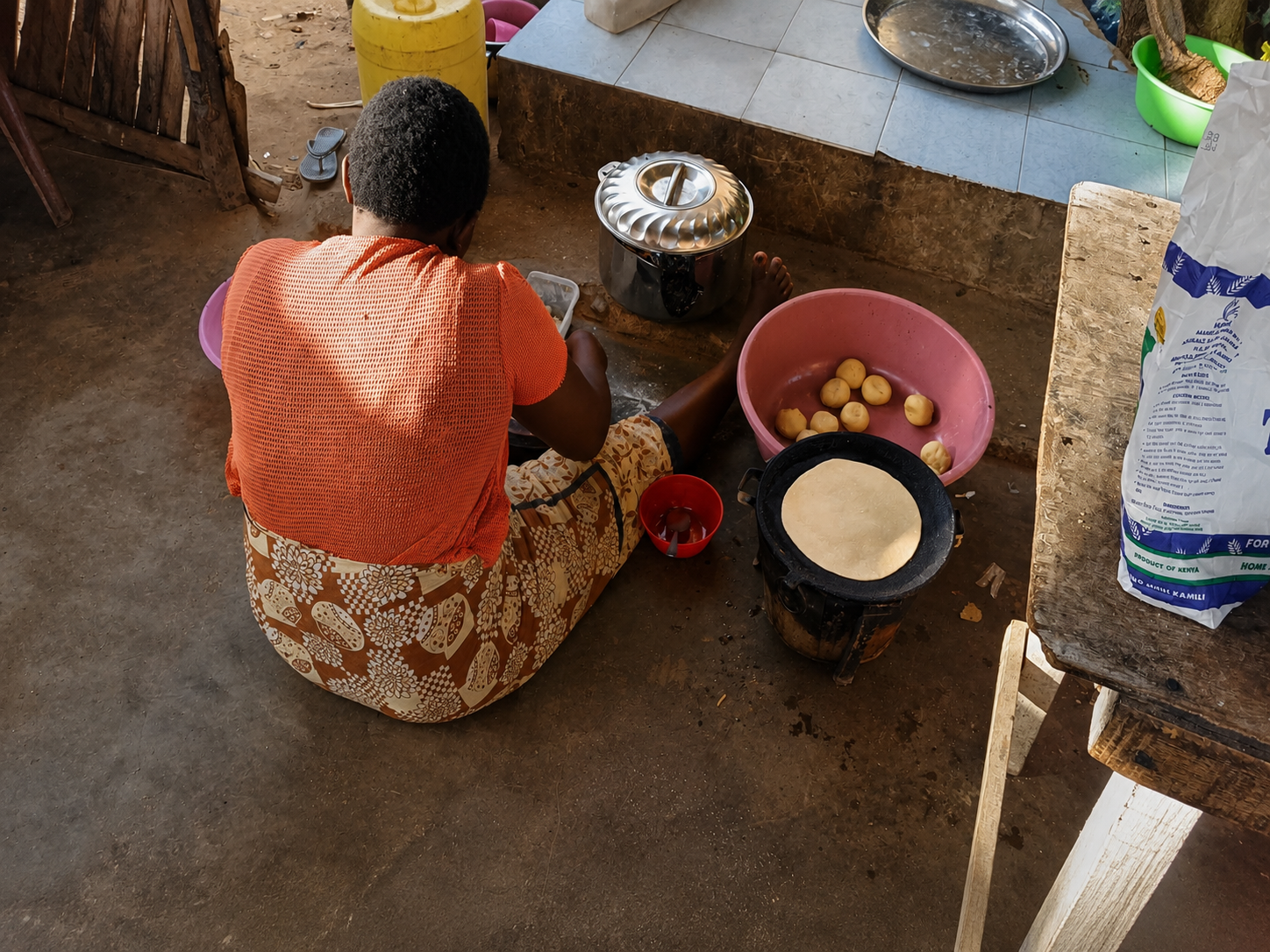
The kibanda itself is not a destination in the way eating places elsewhere try to be. There may be no carefully designed atmosphere, no special effort to make you linger, and no polished script of customer care. Someone may be cooking chapati seated low to the ground, completely unbothered, pot balanced and pace unhurried.
The food comes out when it comes out. If you are used to hospitality designed to keep customers coming back, this may read as indifference. It is not always that. It is simply a place where the food speaks for itself, and apparently always has.
Getting around also surprises many newcomers. Compared with some Nairobi routes, many coastal matatus can feel quieter and more orderly, with fewer people squeezed in and a calmer rhythm on board. Tuk-tuks are common too, and for many visitors from upcountry, they quickly become one of the easiest ways to move around short distances.
What You Gain
Living in Mtwapa teaches you patience, but not the soft, inspirational kind. It teaches you practical patience.
A kibanda owner may open today, disappear tomorrow, and reappear three days later without explanation. Nobody treats it as a crisis. In some local hotels, when the food runs out, it runs out. There is no improvising, no upselling, and no anxiety about customers still to come. What was prepared was enough for today. Tomorrow has its own problems.
Coming from a city where that logic would read as failure, it takes time to see it differently. Here, it can reveal a serious relationship with sufficiency.
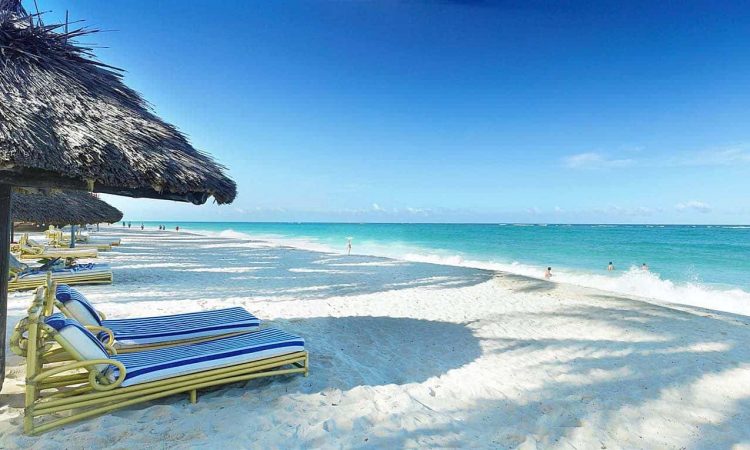
Mtwapa is not a resort. It is not a postcard. It is a real place with its own logic, and understanding that logic, even partially, changes what it is possible to experience here.
Article by Monica Njuguna.