

Still Time to Vote for Kenya Coast Nominees in World Travel Awards 2026

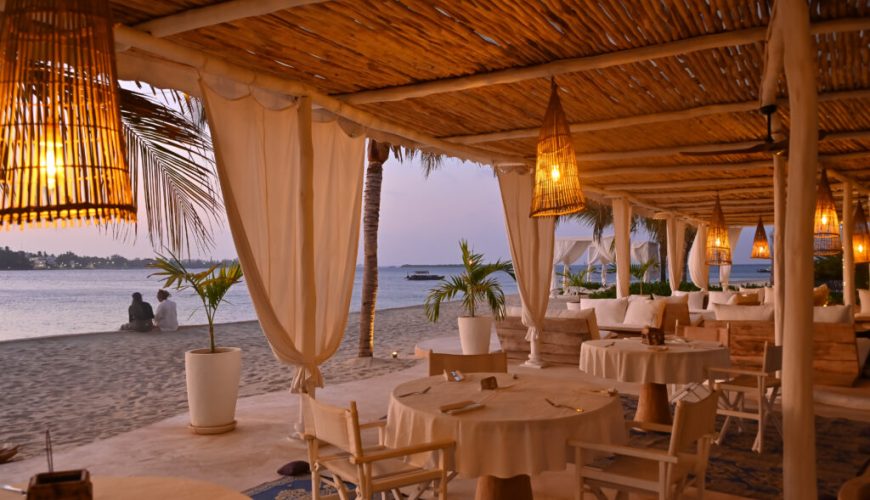
Kenya’s Coast has earned a strong place on the World Travel Awards 2026 shortlist, with hotels, resorts, villas and safari lodges from Diani, Mombasa, Watamu, Malindi, Kilifi and Taita Taveta nominated across several Kenya categories. Voting is open until 17 July, giving residents, travellers and supporters of coastal tourism a final window to back the region’s nominees. For the Coast, the nominations are more than a hospitality roll call. They reflect the range of a region that continues to shape Kenya’s travel identity, from family beach holidays and boutique escapes to conference tourism, private villas and safari stays linked to the Tsavo circuit. The strongest coastal showing is in Kenya’s Leading Beach Resort 2026, where the nominated properties include Baobab Beach Resort & Spa, Diamonds Malindi, Diani Reef Beach Resort & Spa, Diani Sea Resort, Hemingways Watamu, Kinondo Kwetu, Mnarani Beach Club, Ocean Sports Resort Watamu, PrideInn Flamingo Beach Resort & Spa, PrideInn Paradise Beach Resort, Sarova Whitesands Beach Resort & Spa, Swahili Beach and Voyager Beach Resort. Diani appears prominently across the list, with several properties nominated in beach, family, boutique and resort categories. Watamu is represented through names such as Hemingways Watamu, Ocean Sports Resort Watamu and Mnarani Beach Club, while Mombasa’s established resort scene is reflected through Sarova Whitesands, Voyager Beach Resort and PrideInn Paradise. The nominations also show the Coast’s wider tourism strength beyond beach holidays. PrideInn Paradise Beach Resort, Convention Centre & Spa is nominated in the conference hotel category, highlighting Mombasa’s role as a meetings and events destination. The Maji Beach Boutique Hotel is nominated in the boutique hotel category, while Diamonds Leisure Beach & Golf Resort, Hemingways Watamu, Kinondo Kwetu, Leopard Beach Resort & Spa and Sarova Whitesands Beach Resort & Spa appear in the resort category. Kilifi is represented through Sirai Beach in the luxury private villa category. Taita Taveta also features, with Salt Lick Safari Lodge and Taita Hills Safari Resort & Spa nominated in Kenya’s Leading Safari Lodge category. Together, the nominations underline what makes the Kenya Coast one of the country’s most complete travel regions. It is not only a beach destination. It is a place of heritage, ocean life, food, family travel, conferences, luxury stays and safari connections. Travellers will always judge a property by the experience they receive on the ground, but recognition of this kind helps keep the Coast visible in a competitive tourism market. Kenya Coast nominees featured Kenya’s Leading Beach Resort 2026: Baobab Beach Resort & Spa, Diamonds Malindi, Diani Reef Beach Resort & Spa, Diani Sea Resort, Hemingways Watamu, Kinondo Kwetu, Mnarani Beach Club, Ocean Sports Resort Watamu, PrideInn Flamingo Beach Resort & Spa, PrideInn Paradise Beach Resort, Sarova Whitesands Beach Resort & Spa, Swahili Beach and Voyager Beach Resort. Kenya’s Leading Family Resort 2026: Baobab Beach Resort & Spa, Mnarani Beach Club, Ocean Sports Resort Watamu, PrideInn Paradise Beach Resort, Sarova Whitesands Beach Resort & Spa and Southern Palms Beach Resort. Kenya’s Leading Conference Hotel 2026: PrideInn Paradise Beach Resort, Convention Centre & Spa. Kenya’s Leading Boutique Hotel 2026: The Maji Beach Boutique Hotel. Kenya’s Leading Resort 2026: Diamonds Leisure Beach & Golf Resort, Hemingways Watamu, Kinondo Kwetu, Leopard Beach Resort & Spa and Sarova Whitesands Beach Resort & Spa. Kenya’s Leading Luxury Private Villa 2026: Sirai Beach. Kenya’s Leading Safari Lodge 2026: Salt Lick Safari Lodge and Taita Hills Safari Resort & Spa. Voting is open through the official World Travel Awards portal until 17 July. To vote, readers need to register on the World Travel Awards website, verify their email address, log in, and select their preferred nominees in the Kenya categories. The official Kenya nominees page is here: World Travel Awards Kenya Nominees 2026 The voting portal is here: World Travel Awards Voting Portal
Read More

After Mombasa’s Ocean Moment, What Comes Next for Kenya’s Coast?

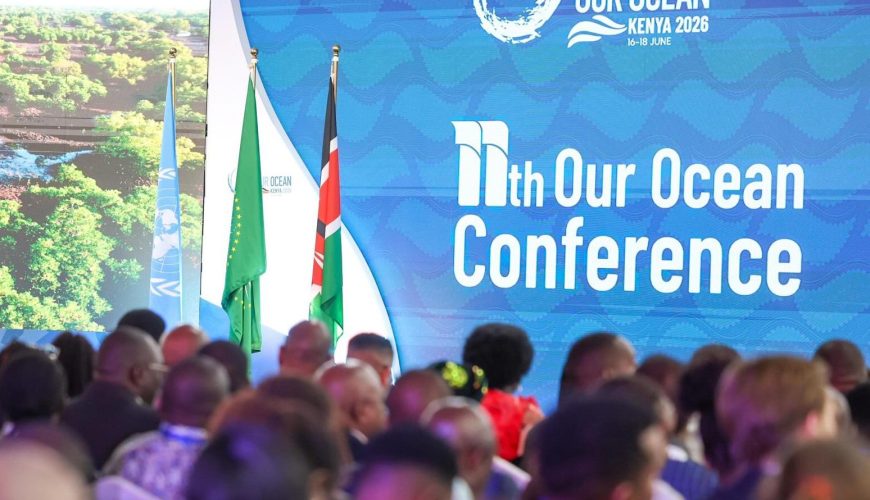
The Our Ocean Conference brought the world to Mombasa and produced billions of dollars in promises. But for Kenya’s Coast, the real story begins after the speeches, panels and official photos. For three days in June, Mombasa was not just a port city, a tourism gateway or the place travellers pass through on their way to Diani, Watamu, Kilifi or Lamu. It became the centre of a global conversation about the future of the ocean. The 11th Our Ocean Conference was held in Mombasa from 16 to 18 June 2026 under the theme “Our Ocean, Our Heritage, Our Future.” It was the first time the conference was hosted on African soil, placing Kenya’s Coast and the wider Western Indian Ocean closer to the centre of global ocean policy. That mattered because the ocean is not an abstract subject here. In Mombasa, the sea is part of ordinary life. It is the ferry crossing at Likoni, the fishing boats leaving before sunrise, the port channel, the seafood on local menus, the mangroves along creeks and shorelines, the plastic that washes back after heavy rain, the beach clean-ups after busy weekends, the reefs, the tides, the landing sites, the tourism economy and the families whose income depends on the water. So the question after the conference is not only how many leaders attended or how large the pledges sounded. The more important question is what those promises will mean for the Coast. The preliminary commitments report says the Mombasa conference produced 320 commitments, mobilising about USD 6.4 billion across 104 countries and organisations. The commitments were grouped under six areas: ocean-climate action, marine pollution, marine protected areas, maritime security, sustainable blue economy and sustainable fisheries. The Our Ocean Conference is not new. It began in 2014, launched by the U.S. Department of State under then Secretary of State John Kerry, with the aim of pushing ocean discussions beyond speeches and into public commitments. That idea still shapes the conference. Countries, organisations, businesses and civil society groups are expected to come with specific commitments — what they will do, when they will do it and how much they will invest. Kerry reminded delegates in Mombasa that the conference was designed around action, not general statements. He said the point was for people to come forward with “what they will do and when and how much it will cost.” Over the years, the conference has moved from country to country and become one of the main global gatherings for ocean protection, sustainable fisheries, marine pollution, climate resilience and the blue economy. Mombasa now sits inside that history. It was not just another host city. It was the first African host, and that gave the 2026 conference a different weight. For Kenya, the moment was not only about diplomacy. It placed an African coastal city, and the communities of the Western Indian Ocean, inside a global conversation that is often led by wealthier coastal nations. Kenya’s commitments The USD 6.4 billion announced in Mombasa was not all for Kenya. It includes commitments from governments, organisations and institutions around the world. But Kenya appears strongly throughout the preliminary report. As host country, the Government of Kenya made commitments across all six action areas. Taken together, the government commitments with stated financial values add up to just over USD 1 billion. Some commitments do not have a dollar figure attached, so it is more accurate to describe them as a set of commitments rather than money already sitting in project accounts. That distinction matters. A conference report is not the same as a completed project. It is a public list of promises. Some may move quickly. Some may take years. Some may change once implementation begins. Others may need pressure, tracking and public accountability before they are felt on the ground. Still, the Kenya commitments are important because many of them point directly to coastal places and coastal livelihoods: Mombasa and Lamu ports, Kwale’s seascapes, Shimoni, Vanga, Shela, Kilifi, Lamu Bay, mangroves, seagrass beds, fishing grounds and communities trying to earn from the ocean without exhausting it. Mangroves and seagrass moved to the centre of the conversation One of Kenya’s strongest commitments is around blue carbon, which refers to the carbon stored in coastal and marine ecosystems such as mangroves and seagrass. Kenya committed to developing its first National Blue Carbon Framework. It also committed to restoring, protecting and managing 61,000 hectares of mangroves and 39,000 hectares of seagrass by 2030. The same section of the report includes commitments on climate research, shoreline protection, saltwater intrusion, food security, marine early warning systems and support for vulnerable coastal communities. On paper, that sounds technical. On the Coast, it is very practical. Mangroves hold shorelines together. They act as nurseries for fish. They support crab and fishery livelihoods. They help protect communities from erosion and storm pressure. In many places, they are also part of how people understand home. Seagrass is easier to miss because most people do not see it from the road or the beach. But it matters too. It supports marine life, helps stabilise nearshore ecosystems and provides feeding grounds for species such as sea turtles. If these commitments are done well, they could support areas such as Lamu, Kilifi, Mida Creek, Diani, Vanga and other parts of the Coast where mangroves and seagrass already matter to livelihoods and marine biodiversity. But restoration is not just planting and taking photos. The bigger issue is management. Who is involved? Who is trained? Who is paid? Who monitors the sites after the launch event? Are communities part of the design from the beginning, or are they brought in after the project has already been decided? That is the difference between a coastal project that lasts and one that only looks good in a report. Mombasa and Lamu ports are now part of the pollution test Marine pollution was another major area, and this is where Mombasa appears very clearly. Kenya committed to establishing five coastal circular economy

Read More

New museum fees from May 7

If you’re planning to visit Fort Jesus, walk through Gede Ruins, or spend time in Lamu Town, entry fees are going up from May 7. The National Museums of Kenya has revised pricing across its sites, affecting three groups: Kenyan and East African citizens, residents of Africa, and international visitors from outside Africa. At Fort Jesus, Kenyan and East African citizens will now pay KSh 550 for adults and KSh 300 for children.Residents of Africa will pay USD 9 for adults and USD 6 for children.Visitors from outside Africa will pay USD 17 for adults and USD 8 for children. If you’re visiting both Fort Jesus and the Butterfly House, the combined ticket is now KSh 650 for adults and KSh 400 for children.Residents of Africa will pay USD 12 (adults) and USD 7 (children), while visitors from outside Africa will pay USD 19 and USD 9. Further up the coast, sites like Gede Ruins, Malindi Museum, Mnarani and Jumba Ruins remain more affordable.Kenyan and East African citizens will pay KSh 200 for adults and KSh 100 for children.Residents of Africa will pay USD 6 and USD 3, while visitors from outside Africa will pay USD 8 and USD 4. In Lamu, the combined ticket covering Lamu Museum, Lamu Fort, Swahili House and the German Post Office is now KSh 750 for adults and KSh 400 for children.Residents of Africa will pay USD 6 and USD 3, while visitors from outside Africa will pay USD 10 and USD 4. Smaller sites like Shimoni remain at the lower end, with Kenyan and East African citizens paying KSh 100 for adults and KSh 50 for children. The changes come under a new legal notice and are meant to support maintenance and conservation across the sites. Most places remain open daily from 8:30am to 5:30pm, so nothing about how you visit really changes — just the price you pay at the gate.

Read More

Madaraka Express Adds Extra Festive Season Train

Kenya Railways has introduced an additional Madaraka Express service for the busy holiday period, offering travellers more seating, more flexibility, and an easier journey along one of the country’s most beautiful rail routes. The extra train will operate from 8 December 2025 to 5 January 2026 and is expected to ease the heavy seasonal demand on the Nairobi to Mombasa line. Alongside the new schedule, the railway operator has confirmed updated fares for the popular service. These fares give passengers a clearer understanding of what each class offers and what to expect when planning their trip to the Coast. Updated Fares for the Nairobi to Mombasa Route Premium Class One way costs KSh 12,000Round trip costs KSh 20,000 This class offers the most space and a quieter environment and is ideal for travellers who want a relaxed long distance journey. First Class Outbound costs KSh 4,500Return costs KSh 4,500Round trip costs KSh 9,000 This is the preferred option for many holidaymakers who want comfort and value in equal measure. Economy Class Outbound costs KSh 1,500Return costs KSh 1,500Round trip costs KSh 3,000 This is the most affordable option and remains the most widely used by travellers heading to and from the Coast. Extra Festive Season Train Schedule Nairobi to MombasaDeparture from Nairobi is at 9.40 amArrival in Mombasa is at 3.35 pm Mombasa to NairobiDeparture from Mombasa is at 4.30 pmArrival in Nairobi is at 10.55 pm The additional train is expected to reduce congestion and make travel during the December peak more pleasant for families, groups, and visitors heading to the coast for the holidays. A Smooth Arrival into Mombasa Travellers arriving at the Miritini SGR Terminus can continue directly into Mombasa using the commuter rail service. It connects Miritini, Changamwe West, Changamwe East, Shimanzi, Mazeras, and the Mombasa Central Business District. The journey is 13.8 kilometres and costs only KSh 50 per trip, which makes it an efficient way to reach the city centre, nearby beaches, and coastal hotels. How to Book Your Seat Kenya Railways encourages passengers to book early since festive season demand is consistently high. Tickets can be reserved through the metickets website, by dialling *639#, or at any SGR station across the country.

Read More

kenya Wildlife Service Raises Park Entry Fees 2024

Tourists Grapple with Increased Park Entry Fees Starting January 2024, explorers of Kenya’s national parks will encounter a significant surge in entrance fees, courtesy of the Kenya Wildlife Service (KWS). The most notable increase affects Nairobi National Park, a favourite among locals and international tourists alike. However, the decision to triple entry fees has raised concerns among tourism industry representatives who fear potential business losses. Mohammed Hersi, Chairman of the Diani Hospitality Owners Association, expressed apprehension that the heightened park fees and the added complexity of on-site payments might discourage tour operators from promoting packages that include visits to national and marine parks. Hersi highlighted the risk of diverting tourists to neighboring competitors like Tanzania, Rwanda, and South Africa, where similar packages are available at more affordable rates. KWS defends the fee hike, citing a comprehensive analysis of feedback gathered during forums conducted between January 30 and February 23, 2023. The revised charges encompass camping, conference facilities, and vehicle entry across KWS’s extensive portfolio, which includes 25 terrestrial national parks, 29 terrestrial national reserves, four marine national parks, six marine national reserves, six national wildlife sanctuaries, and three captive wildlife management facilities. During the high season from July to March, East African Community (EAC) and resident adults will face a substantial fee increase, now set at Sh2,000 compared to the previous Sh430 for Nairobi National Park. International visitors during this period will incur charges of $50 (Sh7,167) for visitors from Africa and $100 (Sh14,335) for those from other international destinations. Even in the low season from April to June, fees for EAC and resident adults will remain at Sh2,000 for Nairobi National Park. However, international visitors will experience a noticeable increase, paying $20 (Sh2,867) for visitors from Africa and $100 (Sh14,335) for those from other international destinations. At premium facilities such as Amboseli and Lake Nakuru National Park, fees for EAC and resident adults will be Sh1,000 during the high season, with visitors from Africa and international destinations paying $50 (Sh7,167) and $100 (Sh14,335) respectively. During the low season, EAC and resident adults will be charged Sh800, while visitors from Africa and the rest of the world will pay $35 (Sh5,017) and $80 (Sh11,468) respectively. Comparatively, KWS previously charged Kenyan adults Sh430 and children Sh215 for park visits. Non-Kenyan adults paid $43 (Sh6,164), and children/students paid $22 (Sh3,153). In addition to the park fee adjustments, the Standard Gauge Railway (SGR) fare adjustment extends to all passengers using using other railway services.

Read More

SGR Ticket Prices to Hike by 50%

Kenya Railways Announces 50% Fare Increase on SGR Ticket Prices in 2024: What You Need to Know Kenya Railways has recently disclosed a significant fare adjustment set to take effect from January 1, 2024, impacting passengers traveling on key routes, including the Nairobi to Mombasa Standard Gauge Railway (SGR), the Nairobi commuter rail service, and the Kisumu and Nanyuki safari trains. Reasons for Fare Adjustment: The fare increase is a response to recent changes in the energy and petroleum sector, particularly the surge in fuel prices that has substantially affected the operational costs of Kenya Railways. As a necessary measure to offset these rising costs, passengers can expect adjustments in the fare structure starting from the specified date. Impact on SGR Routes: Starting January 1, 2024, passengers traveling from Nairobi to Mombasa via the SGR will experience a fare increase. Economy class fares will adjust from the current Ksh1,000 to Ksh1,500, while first-class fares will rise from Ksh3,000 to Ksh4,500. Advance Booking Changes: Passengers making advance bookings for the Madaraka Express passenger service will need to adhere to the new fare structure from Wednesday. Revised SGR Ticket Price for Various Routes: Nairobi-Suswa Route Adjusted Fares: Note: Children aged between three and 11, traveling with adults, will be charged half of the standard fare, while passengers above the age of 11 will pay the full fare.

Read More

Discover Airlines To Increase Flights To Mombasa From Frankfurt

Discover Airlines Expands Services for Travelers to Kenya and Tanzania Discover Airlines, affiliated with Lufthansa, brings exciting news for those planning to visit Kenya’s coastal region in the coming year. They are increasing flight frequencies between Frankfurt, Germany, and Mombasa, Kenya, from 5 to 6 weekly flights in the summer of 2024, enhancing travel options for visitors. Effective March 31, 2024, this move represents a significant milestone for air travel in the region. Additionally, Discover Airlines is introducing a direct connection between Frankfurt and Zanzibar, Tanzania, further enriching the travel experience. The current 2 weekly flights between Frankfurt and Zanzibar will see an increase to 3, introducing an innovative triangular routing that allows nonstop flights to and from Zanzibar, seamlessly combined with the Mombasa route. With these enhanced connectivity and frequency adjustments, Discover Airlines aims to provide travellers with a more convenient and enriched flying experience when exploring the vibrant coastal destinations of Kenya and Tanzania.

Read More

Free Entry To All National Parks, Museums For Kenyans on 12th/12/2023

To mark Kenya’s 60th independence anniversary, the government has announced a special opportunity for all Kenyans. On December 12, free entry to national parks and museums will be granted to citizens. Dr. Alfred Mutua, the Cabinet Secretary of Tourism and Wildlife, revealed this exciting news last Friday at the Kenya Wildlife Service (KWS) headquarters. Dr. Mutua encourages fellow Kenyans to embrace this chance to discover the breathtaking beauty of their homeland. The free entrance encompasses marine parks, safari walks, and animal orphanages, catering to Kenyan citizens able to provide proof of identification. Children accompanying parents or guardians with identification are also included in this special offer. Running from 6 am to 6 pm, the free entry period allows citizens ample time to immerse themselves in the natural wonders of Kenya. Dr. Mutua underscores the importance of compliance during visits, urging everyone to carry national IDs and passports for a smooth entrance process, ensuring security and accountability. For those considering a visit, here are some national parks in the coastal regions that you and your family can explore: Marine Parks: National Parks: Museums:

Read More

2024 KCB Secondary School Scholarships Now Open

The KCB Foundation has initiated the application process for secondary school scholarships for eligible 2023 KCPE candidates. This program aims to sponsor academically promising yet financially disadvantaged children to pursue their secondary education. Eligibility Criteria: To qualify for the KCB Foundation secondary school scholarships, candidates must meet the following criteria: Application Process: Applicants are encouraged to visit the nearest KCB branch and fill in the application form. Subsequently, KCB will conduct interviews on learners in the county where they sat their KCPE examination. 2024 KCB Secondary School Scholarships Interview Dates and Venues: Interview Dates County Venue Saturday, 16 December 2023 Mombasa County Star Of The Sea Primary School Saturday, 16 December 2023 Lamu Lamu Fort Saturday, 16 December 2023 Kwale Kwale Primary School Saturday, 16 December 2023 Tana River Laza Primary School Saturday, 16 December 2023 Kilifi Kilifi Primary School Saturday, 16 December 2023 Taita Taveta Mwatate Cdf Hall County-Specific Cut-off Marks: KCPE 390 Marks KCPE 370 CUT-OFF MARK Mombasa Tana River Kilifi Kwale Lamu Taita Taveta Moreover, the KCB Foundation has allocated KShs. 700 million as it commissions the 2023 Scholarship Class. This scholarship program provides an opportunity for financially disadvantaged students to access quality education and build a brighter future. Interested candidates are urged to take advantage of this opportunity and apply for the scholarship at their nearest KCB branch.

Read More

13th November Declared National Tree Planting Day

13th November Declared National Tree Planting Day The Kenyan government has declared a special public holiday on the 13th of November, 2023, dedicated to a nationwide tree planting initiative. This ambitious endeavour is a part of the government’s grand plan to plant a staggering 15 billion trees by the year 2032. The announcement came directly from the Interior Minister, Kithure Kindiki, who took to social media to share the news. He stated, “The government has declared a special holiday on Monday, the 13th of November, 2023. On this day, citizens all across the country are encouraged to participate in tree planting as a patriotic contribution to our national mission of safeguarding Kenya from the severe impacts of climate change.” Kenya’s current forest cover stands at approximately 7%, a figure the government is determined to improve. To facilitate this, over $80 million (£65 million) has been allocated in the current financial year to support the effort, with the aim of raising the forest cover to over 10%. It is well-known that trees play a crucial role in combatting climate change by sequestering carbon dioxide, a primary contributor to global warming. In contrast, deforestation exacerbates climate change by disrupting the process of photosynthesis, preventing trees from absorbing carbon. Additionally, the practice of burning during deforestation releases substantial amounts of carbon dioxide into the atmosphere. The dire consequences of the climate crisis are already evident in the Horn of Africa, including Kenya, where persistent droughts have plagued the region for five consecutive seasons. To ensure the success of this monumental tree planting initiative, the Kenyan Ministry of Environment, Climate Change, and Forestry has pledged to provide tree seedlings. This endeavour is being hailed as “an unprecedented display of the government’s commitment to fulfilling our climate action responsibilities.” The collective effort to plant trees on this special holiday serves as a critical step towards a greener and more climate-resilient Kenya.

Read More
error: Content is protected !!