Kilifi County stretches along Kenya’s central coastline between Mombasa to the south and Tana River to the north. Of all the coastal counties, it offers the widest range of beach environments within a single region.
Open ocean beaches, sheltered creeks, coral reef bays, sand dunes, marine parks and coastal forest all sit within one continuous stretch of shoreline. From Malindi to Watamu, from Kilifi Creek to Vipingo’s cliffs, the landscape changes every few kilometres.
For travellers, Kilifi is not one beach. It is many coasts in one county.
Geography and Landscape
Covering approximately 12,246 square kilometres, Kilifi County combines coastal plains, tidal estuaries, woodland and agricultural hinterland. It borders Mombasa and Kwale counties to the south, Tana River to the north, Taita Taveta to the west and the Indian Ocean to the east.
Two major creek systems define its geography:
• Kilifi Creek
• Mtwapa Creek
These tidal inlets create sheltered waters ideal for sailing, kayaking and paddleboarding, while open sections of coastline offer broad beaches and reef-protected swimming areas.
The terrain is generally flat with sandy-loamy soils, gradually rising inland.
Climate and Seasons
Kilifi has a warm tropical climate year-round, with daytime temperatures typically above 25°C.
There are two rainy seasons:
• Long rains: March to July
• Short rains: October to December
January to March is generally dry and hot. July through September tends to be slightly cooler and breezier.
Beach conditions shift with the tide, especially in reef-protected areas like Watamu. Planning marine activities around tide times enhances the experience.
Coastal Zones Within Kilifi
Kilifi County is best understood as a series of coastal zones, each with a distinct character.
Kilifi Town and the Creek
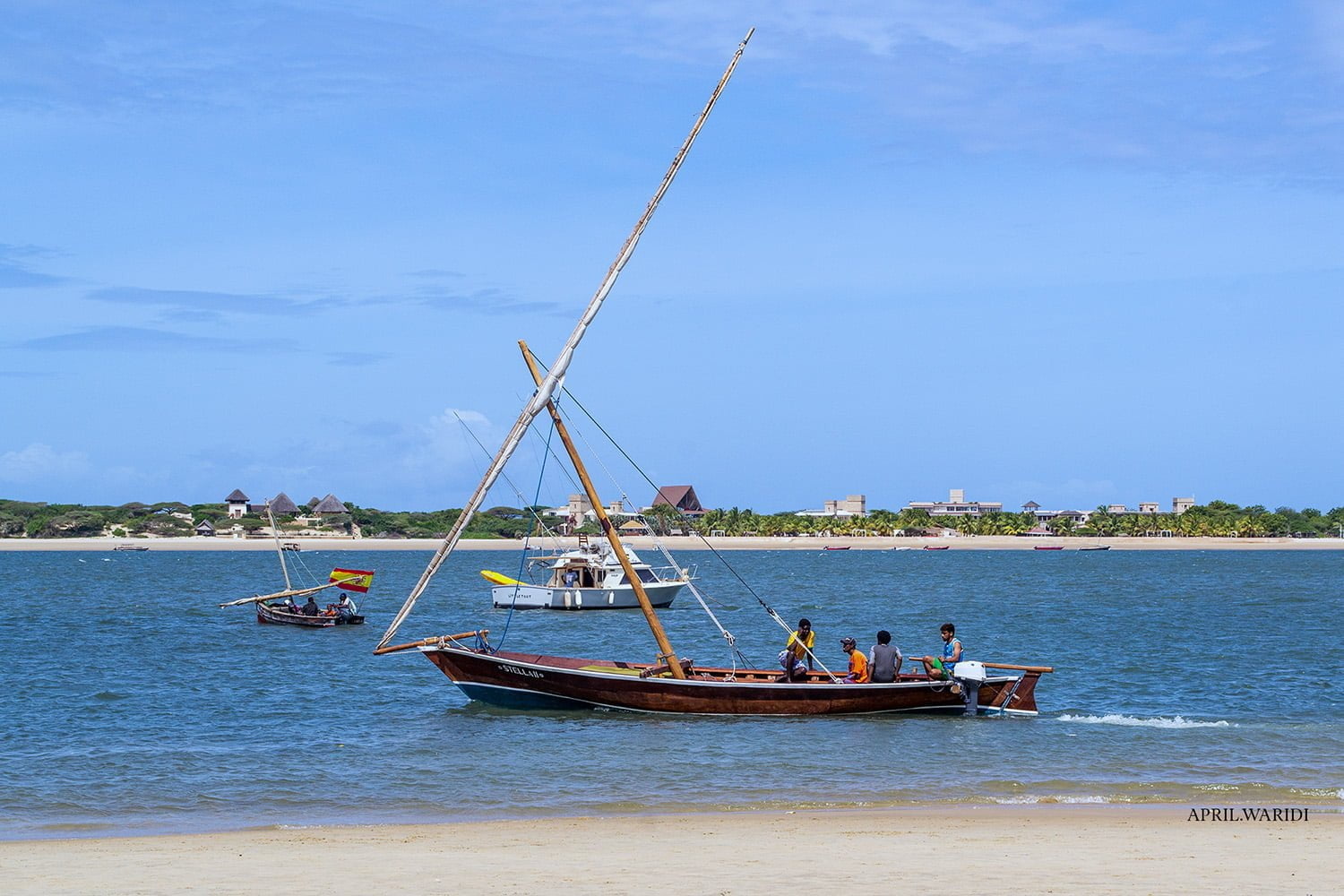
Kilifi Town is built around Kilifi Creek, one of the most striking tidal waterways on the Kenyan coast. The creek supports sailing, dhow cruises, kayaking and watersports in sheltered conditions.
The town has developed a relaxed residential feel, with a growing arts and music presence alongside traditional fishing activity.
Watamu and Marine Conservation
Watamu sits within one of Kenya’s oldest marine protected areas. The Watamu Marine National Park is known for coral reefs, turtle nesting beaches and snorkelling sites. Nearby Mida Creek supports mangroves and migratory birdlife.
Watamu combines beach tourism with conservation initiatives and long-stay coastal living.
Malindi
Malindi is one of the oldest established coastal towns in Kenya. It carries Swahili, Portuguese and Italian influence, visible in architecture and cuisine. The Vasco da Gama Pillar remains a prominent historical landmark along the shoreline.
Malindi Marine National Park lies offshore, offering diving and snorkelling opportunities. The town blends active local commerce with established tourism infrastructure.
Vipingo and the Clifftop Coast
South of Kilifi Town, Vipingo offers elevated ocean views and long, relatively undeveloped beaches. Clifftop homes overlook open water, while below, small fishing communities launch wooden boats from sandy coves.
This area feels more residential and less concentrated than Watamu or Malindi.
Nature Beyond the Beach
Kilifi’s diversity extends inland.
Arabuko Sokoke Forest, the largest remaining coastal forest in East Africa, lies just beyond Watamu. It supports rare bird species and endemic wildlife.
The Gede Ruins preserve the remains of a fifteenth-century Swahili town hidden within forest.
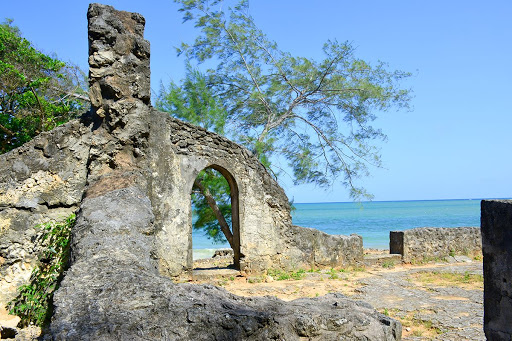
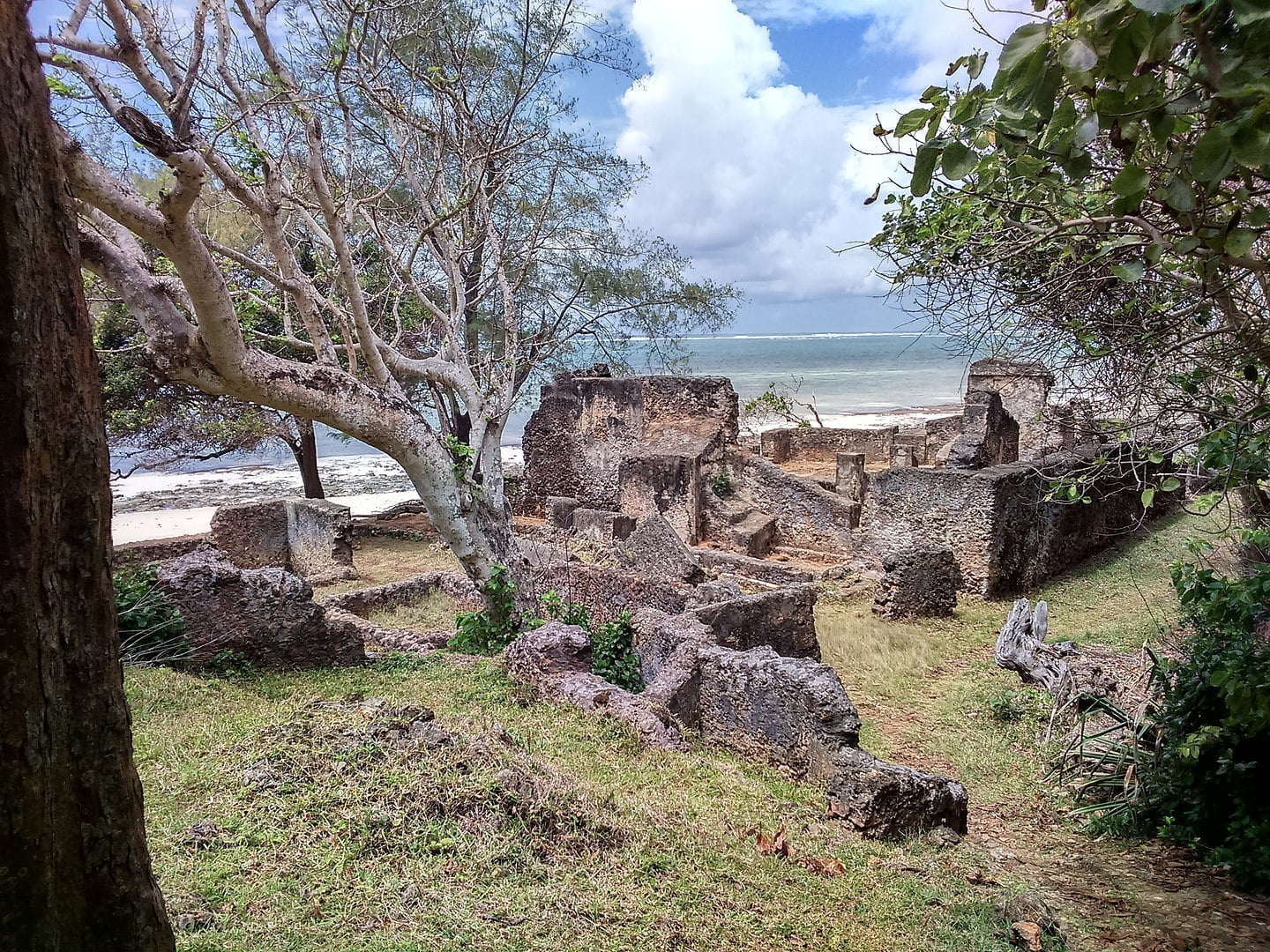
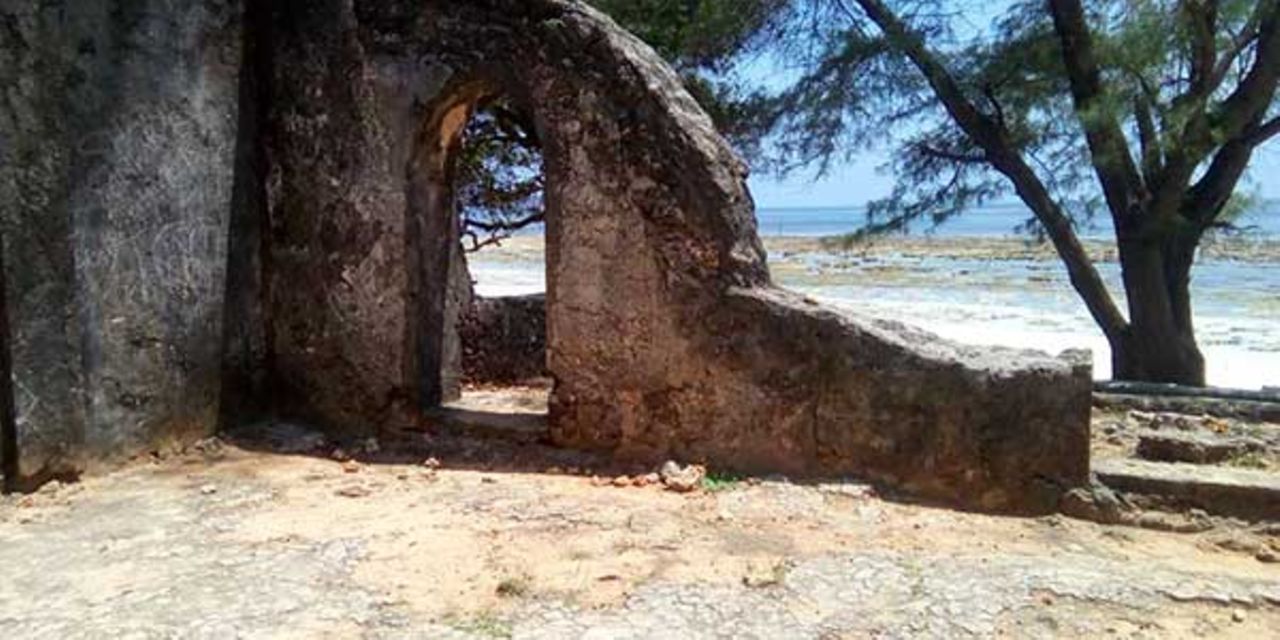
Jumba la Mtwana, near Mtwapa Creek, offers coral-stone ruins from early coastal settlements.
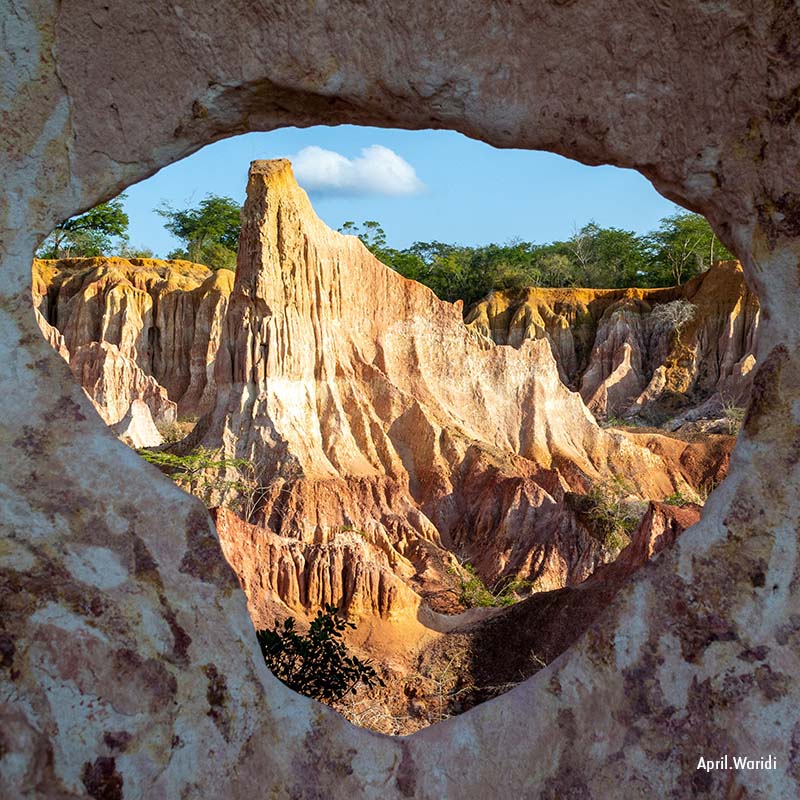
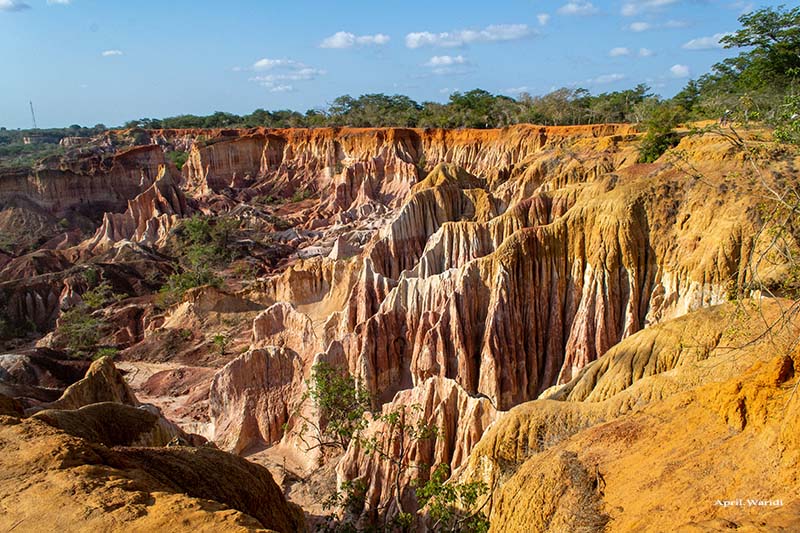
Further north, the Marafa Depression, often referred to as Hell’s Kitchen, reveals layered sandstone formations shaped by erosion.
Mabrui Sand Dunes and Vuma Cliffs add further variation to the county’s terrain.
Few other coastal counties combine reef, forest, ruins and dunes within such close proximity.
Community and Culture
Kilifi County has a population of approximately 1.45 million people. It is religiously diverse, with Christianity and Islam both widely practised. Coastal Swahili culture remains visible in language, cuisine and architecture, particularly in older settlements.
Fishing, coconut farming, cashew production and small-scale agriculture remain central to local livelihoods. Tourism is important, but it exists alongside established community economies.
Sub-Counties
Kilifi County is administratively divided into:
Kilifi North
Kilifi South
Kaloleni
Rabai
Ganze
Malindi
Magarini
These include both inland and coastal regions, reflecting the county’s geographic spread.
Transportation and Access
Kilifi is easily accessible by road via the Mombasa–Malindi highway. Travel times between coastal towns are relatively short, making multi-stop itineraries practical.
Malindi Airport provides domestic flight connections, primarily to Nairobi.
Within towns, transport options include matatus, tuk-tuks and boda-bodas. Many visitors use private transfers or car hire to explore multiple beaches and inland sites.