Exploring Mombasa
Exploring Mombasa
Exploring Mombasa
Exploring Mombasa
Exploring Mombasa
Exploring Mombasa
Exploring Mombasa
Exploring Mombasa

Coastal Region Of Kenya

The coastal region of Kenya is a place where ancient cultures, stunning landscapes, and a rich history come together to create one of the most magical destinations in East Africa. Nestled along the Indian Ocean, this region was once part of Kenya’s Coast Province, the old provincial system was replaced by the devolved counties after Kenya’s 2010 constitution.

The area spans 79,686 square kilometers, stretching from the Tanzania border in the south to the Somalia border in the north, with Mombasa as its unofficial capital.

A Historical Crossroads

Kenya’s coastal region has been shaped by centuries of cultural exchanges. Long before the arrival of European explorers, it was a key trading hub for Arabs, Persians, and Indians. The Swahili people whose culture and language dominate the region emerged from these interactions, blending African, Arab, and Asian influences.

In the late 18th century, the coastal strip came under the rule of Omani Arabs from Zanzibar, after they ousted the Portuguese, who had ruled for almost 200 years. In 1888, the Sultan of Zanzibar agreed to lease the coastal region (then called “al-Zanj”) to the British, and by 1895, it became a British protectorate.

The arrangement left an indelible mark on the region. Coastal residents remained subjects of the Sultan, while the interior fell under British colonial control.

The Six Coastal Counties

Today, Kenya’s coast is divided into six counties: Mombasa, Kwale, Kilifi, Tana River, Lamu, and Taita-Taveta. Each offers something unique for travelers:

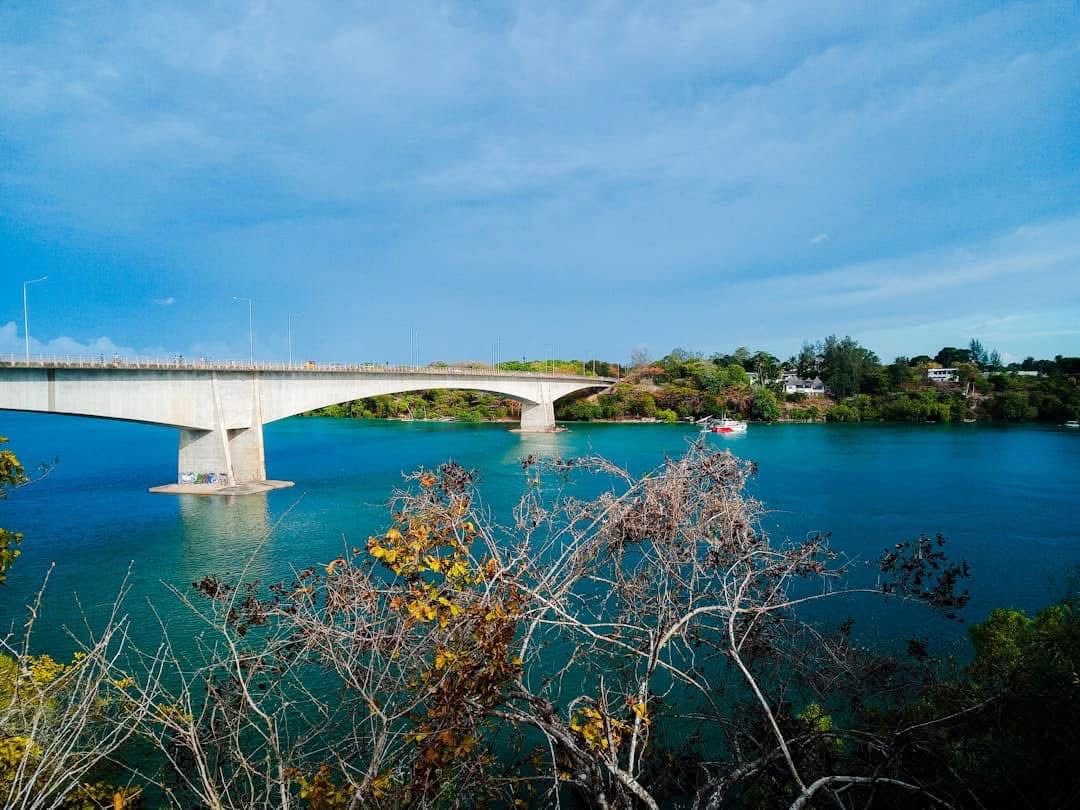
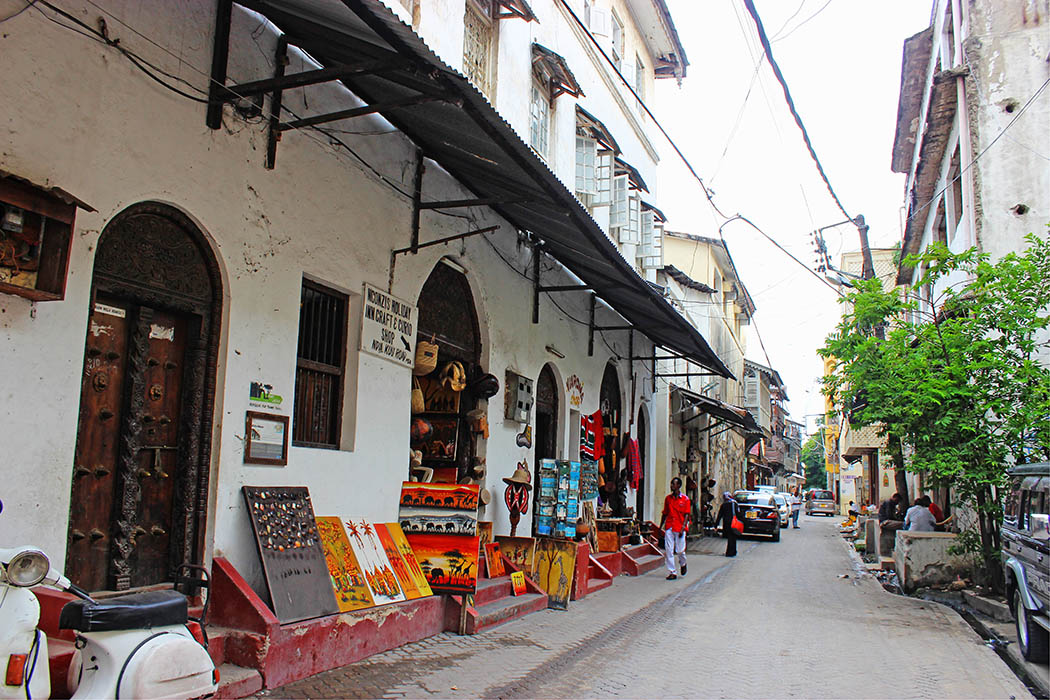
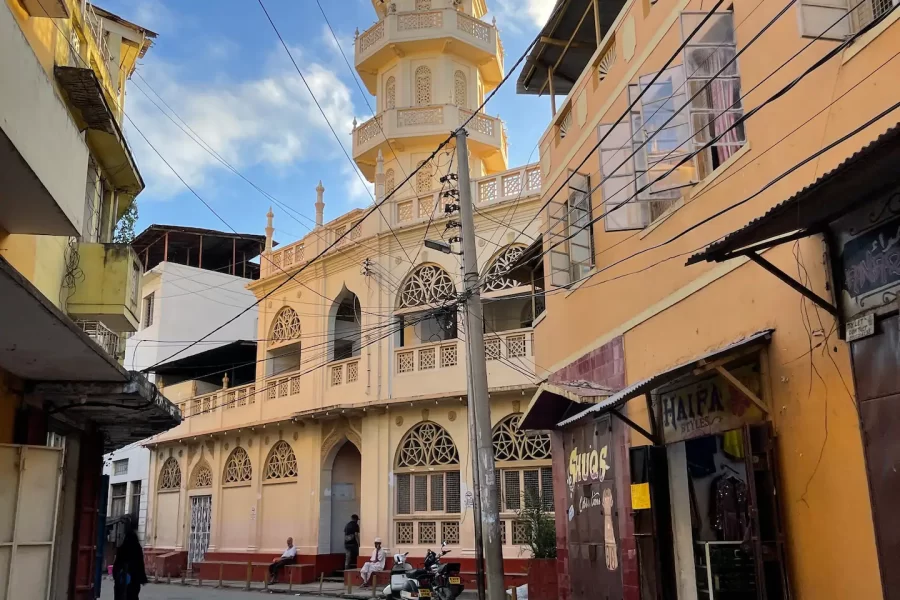
Mombasa: Kenya’s second-largest city and the region’s main gateway. Mombasa is a fascinating blend of Swahili culture, historic sites like Fort Jesus, and beautiful beaches like Nyali and Bamburi.

Kwale: Known for Diani Beach, Kwale is perfect for beach lovers and adventure seekers. Whether it’s kite surfing, snorkeling, or a trip to Shimba Hills, Kwale promises an unforgettable experience.

Kilifi: Famous for Malindi and Watamu, Kilifi County is a marine lover’s paradise. With coral reefs, the Arabuko-Sokoke Forest, and the ruins of ancient Gede, it’s a must-visit for both nature enthusiasts and history buffs.

Tana River: This quieter county offers a glimpse of Kenya’s wild side, with riverine ecosystems, wildlife, and unique landscapes.

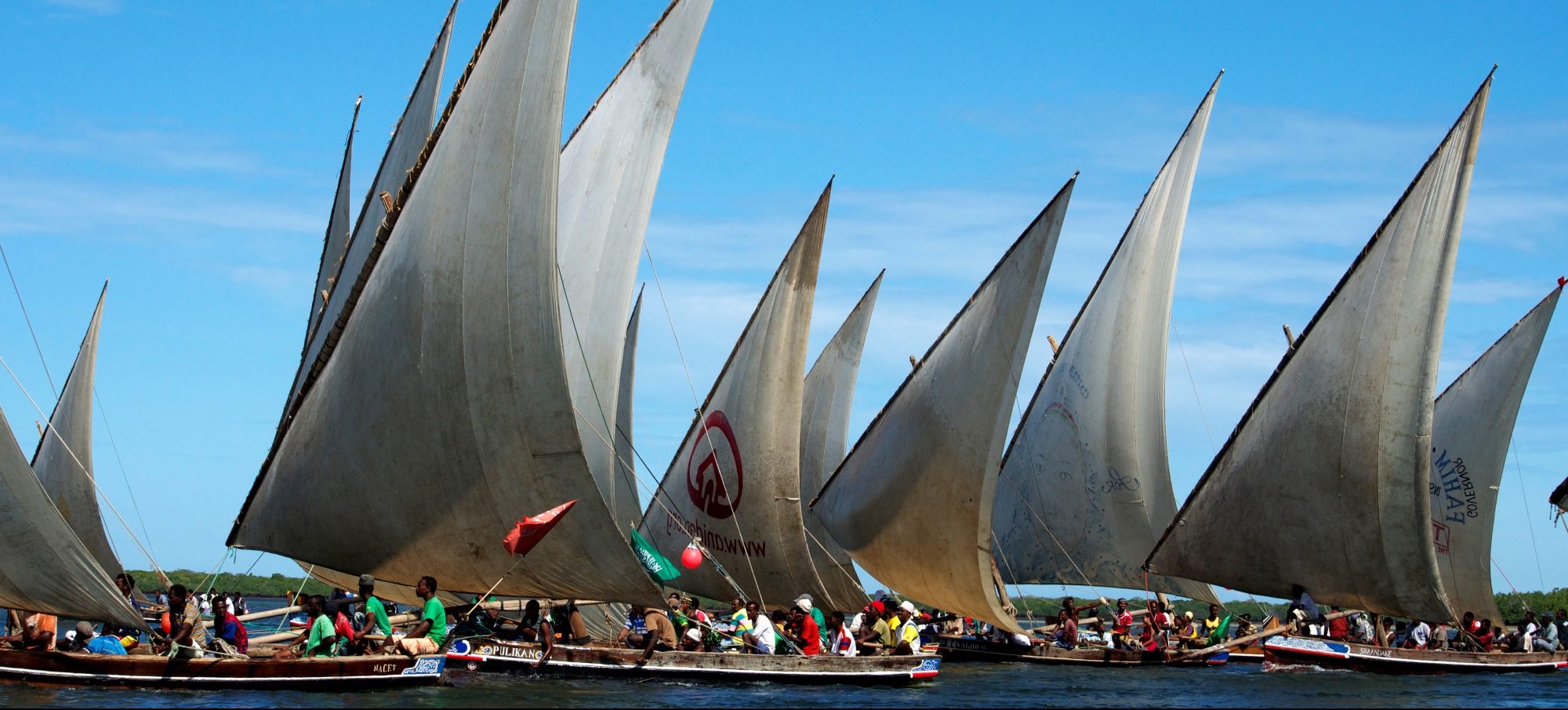
Lamu: The ancient town of Lamu is a UNESCO World Heritage site, where time seems to stand still. Its car-free streets, dhow boats, and Swahili architecture make it one of Kenya’s most charming and culturally rich destinations.

Taita-Taveta: Part coastal, part inland, Taita-Taveta is home to some of Kenya’s most beautiful wilderness areas, including Tsavo East National Park.

Kenya’s Coastal Biodiversity

Beyond the cultural riches, the coastal region is a haven for biodiversity. From terrestrial forests to mangroves, coral reefs, and seagrass beds, the ecosystems here are globally important. Over half of Kenya’s rare plants—more than 3,000 species—can be found along the coast. Sacred forests, like the Kaya forests of the Mijikenda people, are recognized as UNESCO World Heritage Sites due to their cultural and ecological importance.

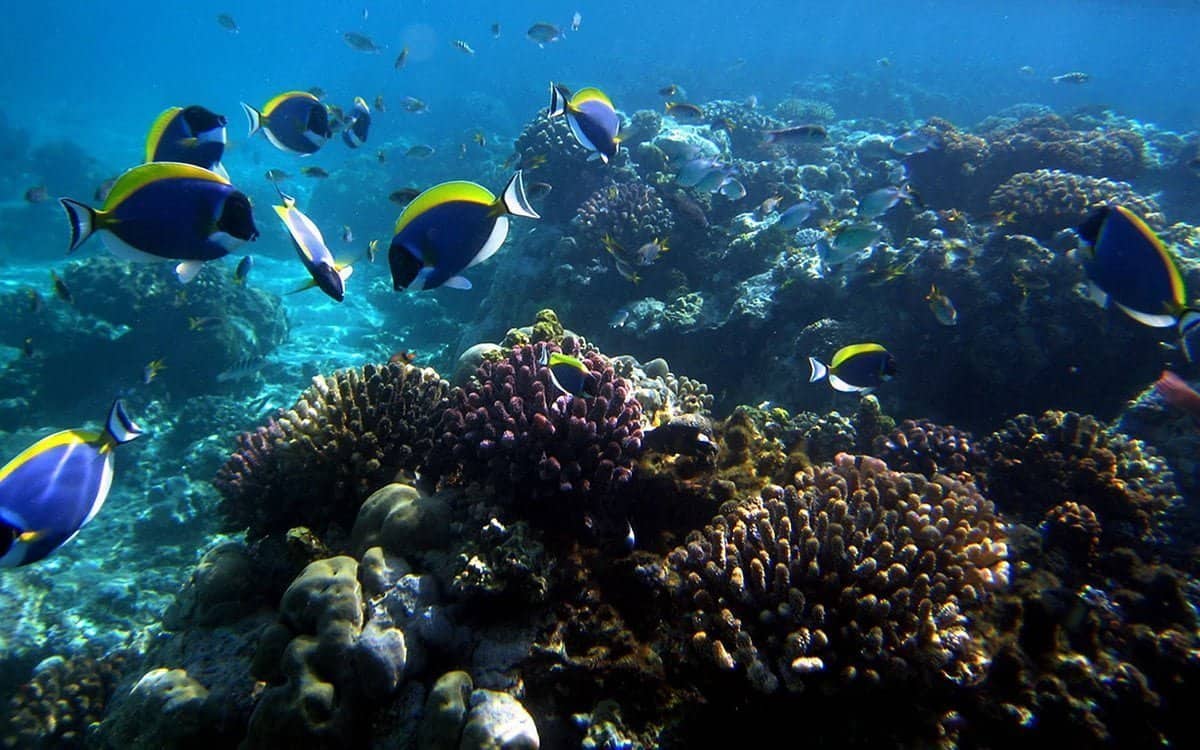
If you’re a nature lover, don’t miss the incredible wildlife in places like the Shimba Hills National Reserve, Arabuko-Sokoke Forest, and the Boni-Dodori forest complex. And Kenya’s coastal waters are equally rich in life, from the coral gardens of Watamu and Malindi to the mangrove forests of Lamu.

The Coastline

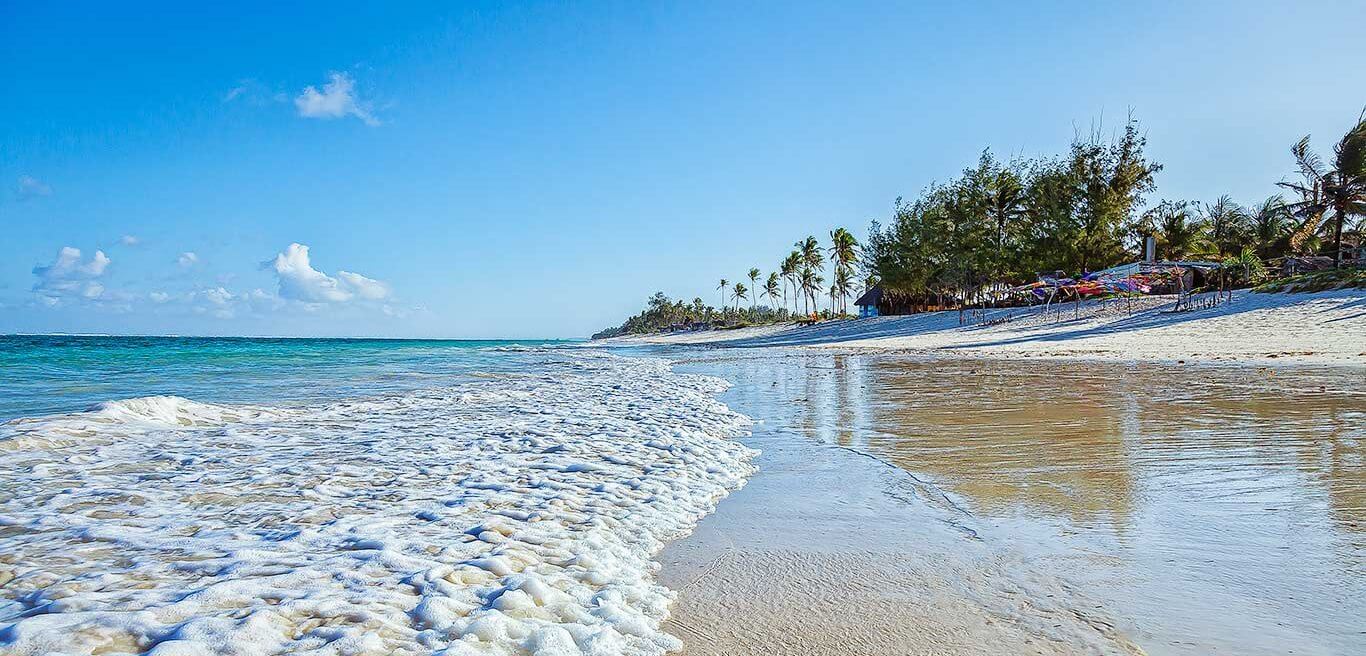
The coastline itself is about 600 kilometers long, offering travelers endless opportunities to explore pristine beaches, dive into rich marine life, or enjoy the scenic beauty of Kenya’s untouched coastal areas. The region also plays a crucial role in supporting local livelihoods. Coastal communities rely on fishing, agriculture, and tourism as vital industries that contribute to both local and national development.

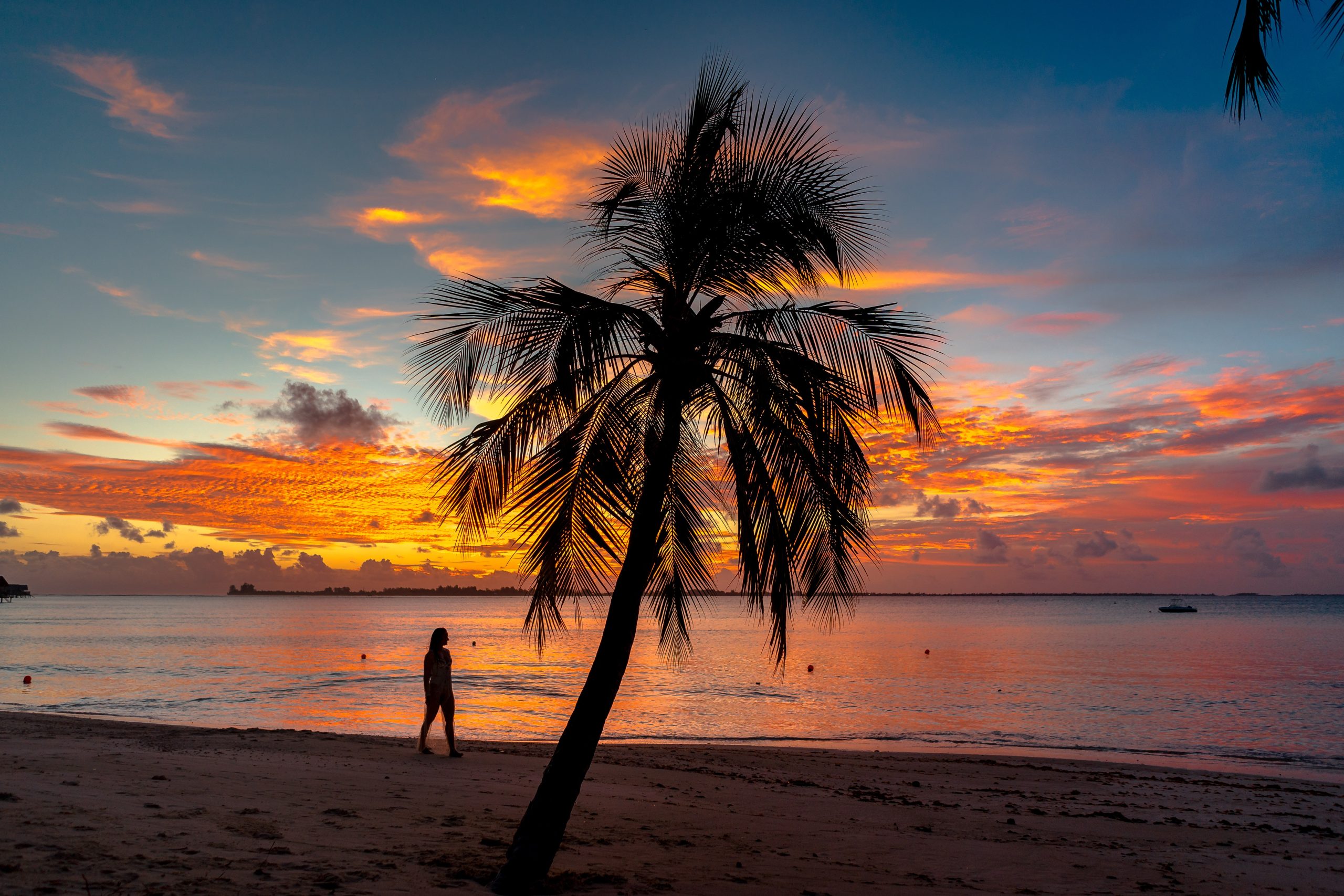
Tourism, in particular, thrives here, thanks to the region’s unmatched blend of relaxation, adventure, and culture. Whether you’re wandering the ancient streets of Lamu, catching the sunrise over Diani Beach, or exploring the underwater wonders of Watamu Marine National Park, there’s no shortage of breathtaking experiences to be had.

Conservation and Sustainability

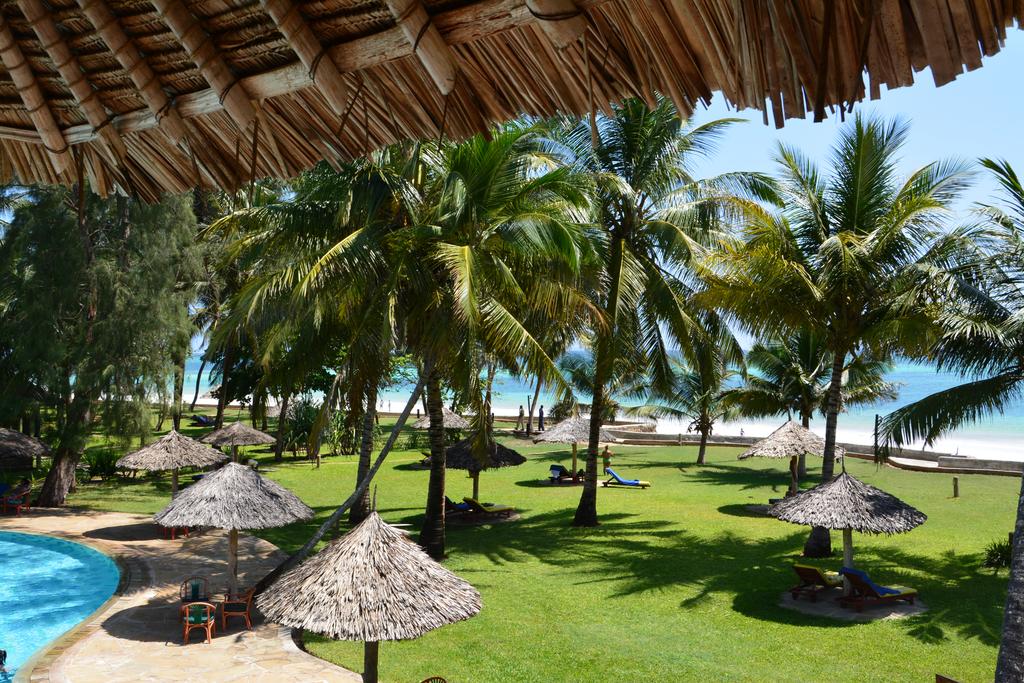
However, this beauty comes with challenges. Coastal ecosystems face threats from deforestation, overfishing, and climate change. Conservation projects, like the protection of marine parks and community-driven reforestation efforts, are critical to preserving this region for future generations. If you’re visiting, consider supporting eco-friendly tourism options, like staying in sustainable resorts or participating in community conservation programs.

Visiting Kenya’s Coast: What You Need to Know

Best Time to Visit: The coast enjoys warm weather year-round, but the best time to visit is during the dry season (January to March, and July to October) when the weather is cooler, and wildlife viewing is at its peak.

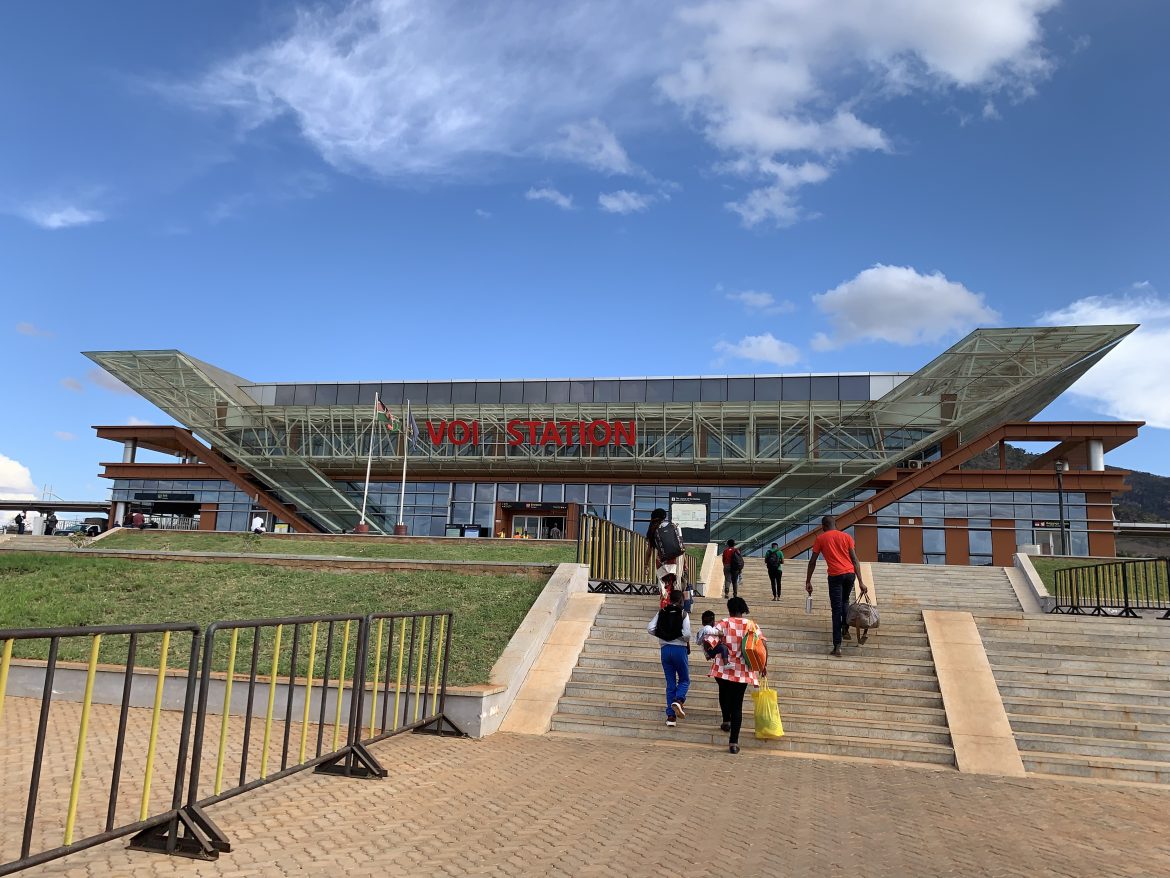
Getting There: Mombasa is the main entry point, with an international airport and train connections from Nairobi. You can also travel by road or take domestic flights to places like Diani and Lamu.

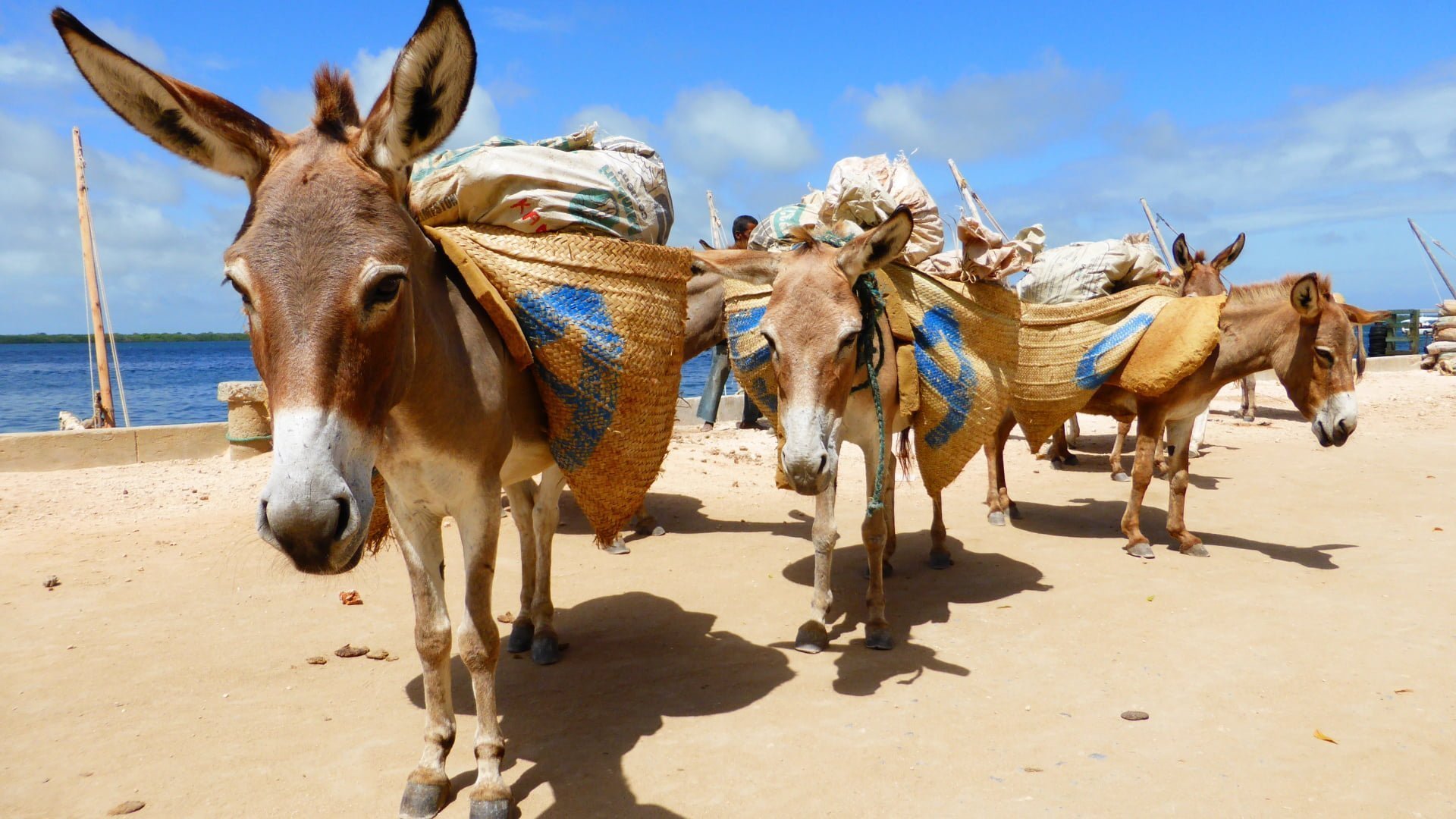
Traveling Around: Tuk-tuks and matatus (local minibusses) are popular means of transport, while ferries and boats connect coastal islands like Lamu.​

Pwani Region / Coastal region

Stories, tips, and guides

Mombasa Highlights 24 Hour Itinerary

From the UNESCO-listed Old Town to beaches and a suburban ecopark, there’s a great deal to explore in Mombasa.

A DOZEN WAYS TO LIVE LIKE A LOCAL

Enjoy the simpler things in life as you drink a fresh coconut picked right from the a palm tree .

Mombasa Marine National Park & Reserve

Snorkel bright reefs and watch turtles glide through clear water.

The Fort Jesus

Fort Jesus, bears testimony to the first successful attempt by Western civilization to rule the Indian ocean trade routes.

Jumba La Mtwana

Jumba la Mtwana a picturesque ruined village rich in history of the Swahili culture.

Mamba Village Centre

Mamba Village Center is the largest crocodile farm in Africa and is home to over 10,000 Crocodiles

Wild Waters

Whether you take a thrilling plunge down the water slides, or just relax and float around the lazy river… there is something for everyone.

Kisite-Mpunguti Marine Park

Warm azure ocean, swaying coconut palms on white sandy beaches and an array of marine life.

Subscribe for Deals

Get exclusive offers, travel tips and insider discounts delivered straight to your inbox.

    Join our newsletter