

Lamu County lies along Kenya’s northern coastline and forms part of the country’s six coastal counties. It borders Tana River County to the southwest, Garissa County to the north, and the Indian Ocean to the east. With roughly 130 kilometres of coastline and more than sixty islands scattered across tidal channels and mangrove creeks, it is one of the most geographically distinct regions on the Kenyan coast.
Administratively, Lamu County is divided into Lamu West and Lamu East constituencies, though most visitors experience the county primarily through its island archipelago rather than its mainland administrative structure.
According to the 2019 census, the county is home to fewer than 45,000 residents, making it one of Kenya’s least densely populated regions. The landscape is expansive and shaped by water, wind and light, with small settlements woven into mangrove forests and open shorelines.
The mainland portion of Lamu County is rural and sparsely inhabited. It includes fishing villages, farming communities and parts of the Lamu Port development area. The port project, part of Kenya’s LAPSSET corridor plans, is visible from some points on Manda Island, but active shipping remains limited and does not dominate island life.
The islands are the heart of the county experience. These include Lamu Island, Shela at its southern tip, Manda across the channel, Pate further north, and smaller islands such as Kiwayu. Access is typically by flying into Manda Airstrip and transferring by boat. That short crossing immediately separates the islands from road traffic and sets the pace for deeper exploration.
Lamu County is overwhelmingly Muslim in belief and practice. Daily life across the islands follows the rhythm of prayer times, which are audible throughout town and village centres. Many shops and activities pause briefly during prayer, and modest dress is recommended in public spaces, especially in Lamu Town and traditional villages.
Islamic festivals and community gatherings are woven into the social calendar. This cultural frame is not performance; it is the context in which daily life, work, family and hospitality unfold. Visitors who observe local norms respectfully tend to find deeper connections with residents and experiences that feel genuinely reciprocal.
At the centre of the archipelago lies Lamu Island. Lamu Town is widely regarded as Kenya’s oldest continually inhabited settlement, with origins stretching back several centuries. Lamu Old Town was inscribed as a UNESCO World Heritage Site in 2001 and remains the oldest and best-preserved Swahili settlement in East Africa.
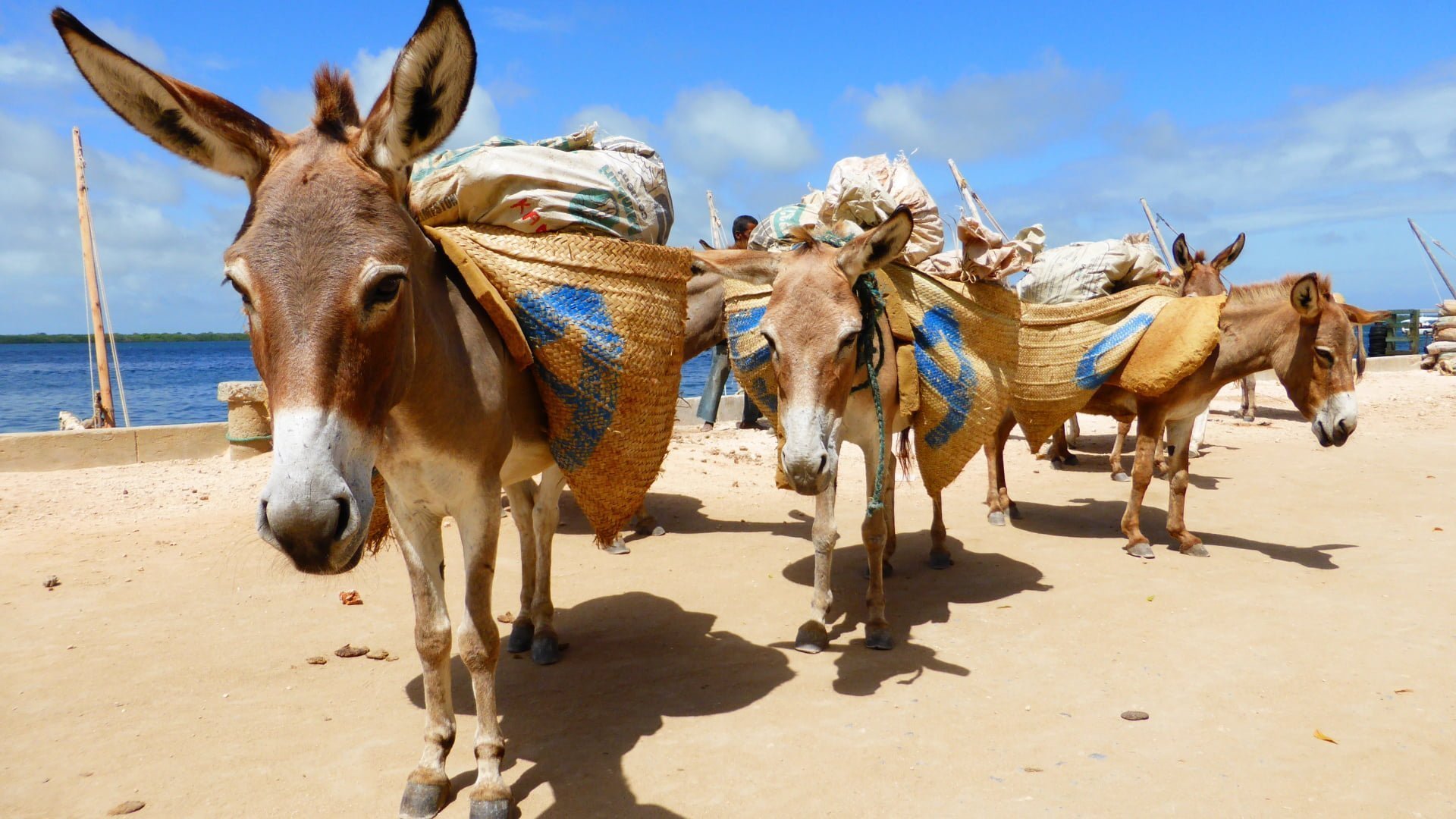
The streets here are narrow coral-stone lanes designed for foot traffic, not vehicles. Movement is by foot, donkey or boat taxi. Thousands of donkeys continue to transport water, building materials and goods. The long-established Donkey Sanctuary provides veterinary care and education in support of their welfare.
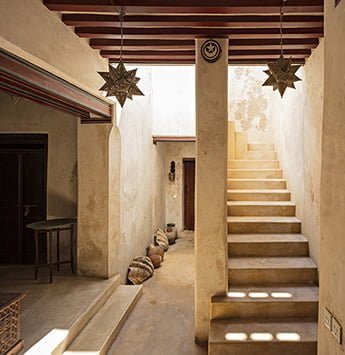
Architecture reflects centuries of Indian Ocean exchange. Coral walls rise thick and pale against the heat. Mangrove beams support ceilings darkened with age. Carved wooden doors display intricate patterns and Quranic inscriptions. Houses are often organised around shaded internal courtyards. At street level, baraza benches remain informal gathering places where conversation shapes the flow of the day.
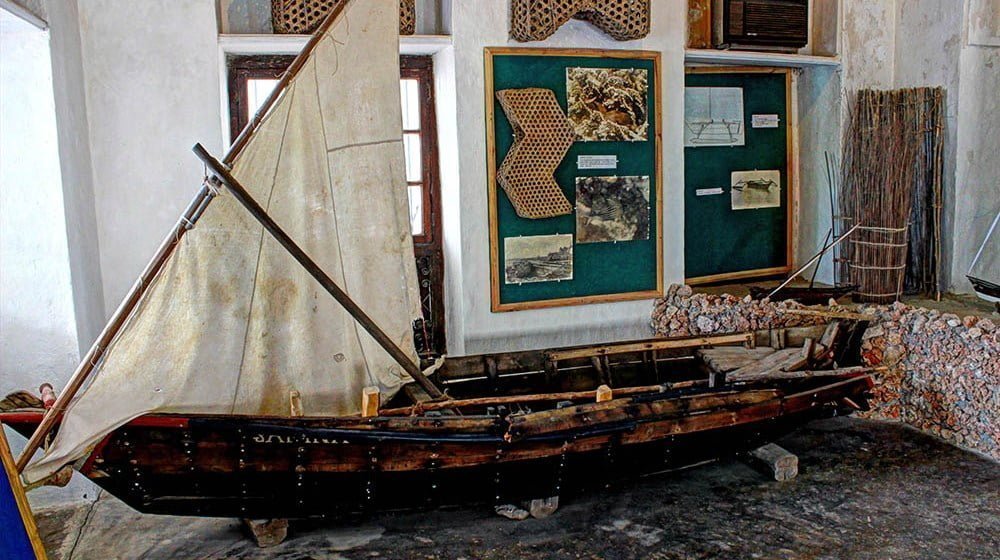
Key historical landmarks include Lamu Fort, built in the early nineteenth century by the Sultan of Pate, and the Lamu Museum, which documents maritime trade, domestic life and Swahili heritage. Yet much of the town’s character is absorbed simply by walking through it.
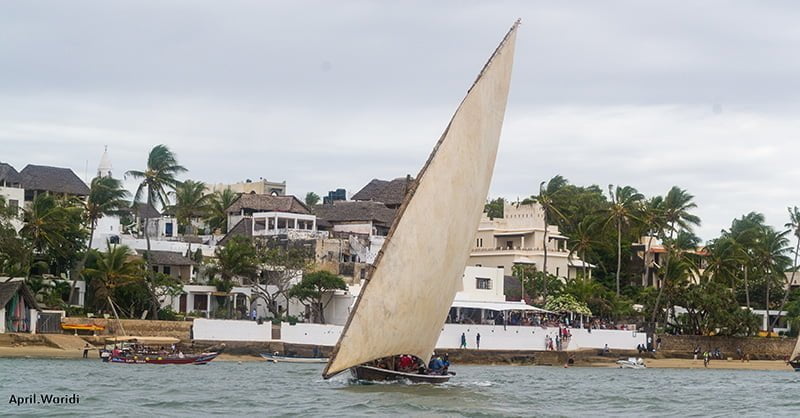
At the southern tip of Lamu Island, Shela Village offers wider beaches and a more open setting. The shore extends for roughly twelve kilometres along dunes shaped by wind and tide. At low tide, sandbanks widen considerably; at high tide, the sea presses near walls and stairs.
Many visitors choose Shela for its balance between heritage and space. Accommodation ranges from small hotels and guesthouses to private villas. The village’s atmosphere is informal and unhurried.
Across the water, Manda Island has a quieter, more dispersed character. The channel here is calmer and the light falls differently at sunset. From Manda, visitors can access Takwa Ruins, the remains of a sixteenth-century Swahili settlement abandoned when its freshwater turned saline. The site, including the Jamaa Mosque and Pillar Tomb, remains under the care of the National Museums of Kenya.
Further north, Pate Island carries deep historical layers. Settlements such as Siyu and Shanga reflect early Swahili urban life dating back to the eighth century. Siyu Fort, constructed locally in the nineteenth century, stands as a reminder of local resistance to external control.
Beyond Pate, Kiwayu Island and the Kiunga Marine National Reserve form one of the coast’s most significant conservation zones. Mangrove forests act as nurseries for fish. Coral reefs and seagrass beds support sea turtles and seasonal marine life. Access depends on tides and weather, and facilities remain basic. That simplicity helps protect the ecosystem.
Daily life in Lamu County is shaped by water. Tides determine not only fishing and navigation but also the feel of the beaches and shoreline each day. Mangroves stabilise shorelines and provide habitat for fish and crustaceans. Seagrass beds offer vital feeding grounds for marine life including sea turtles and occasionally dugongs.
This is not a coastline engineered for constant swimming or resort-style beach activity. Conditions change through the day and with the seasons. Travelers learn to watch the tide as part of appreciating the place.
Lamu County’s calendar is anchored in community and faith. Maulidi celebrations, held during the third month of the Islamic calendar, attract participants from across East Africa. Processions, poetry recitations and community gatherings mark the occasion.
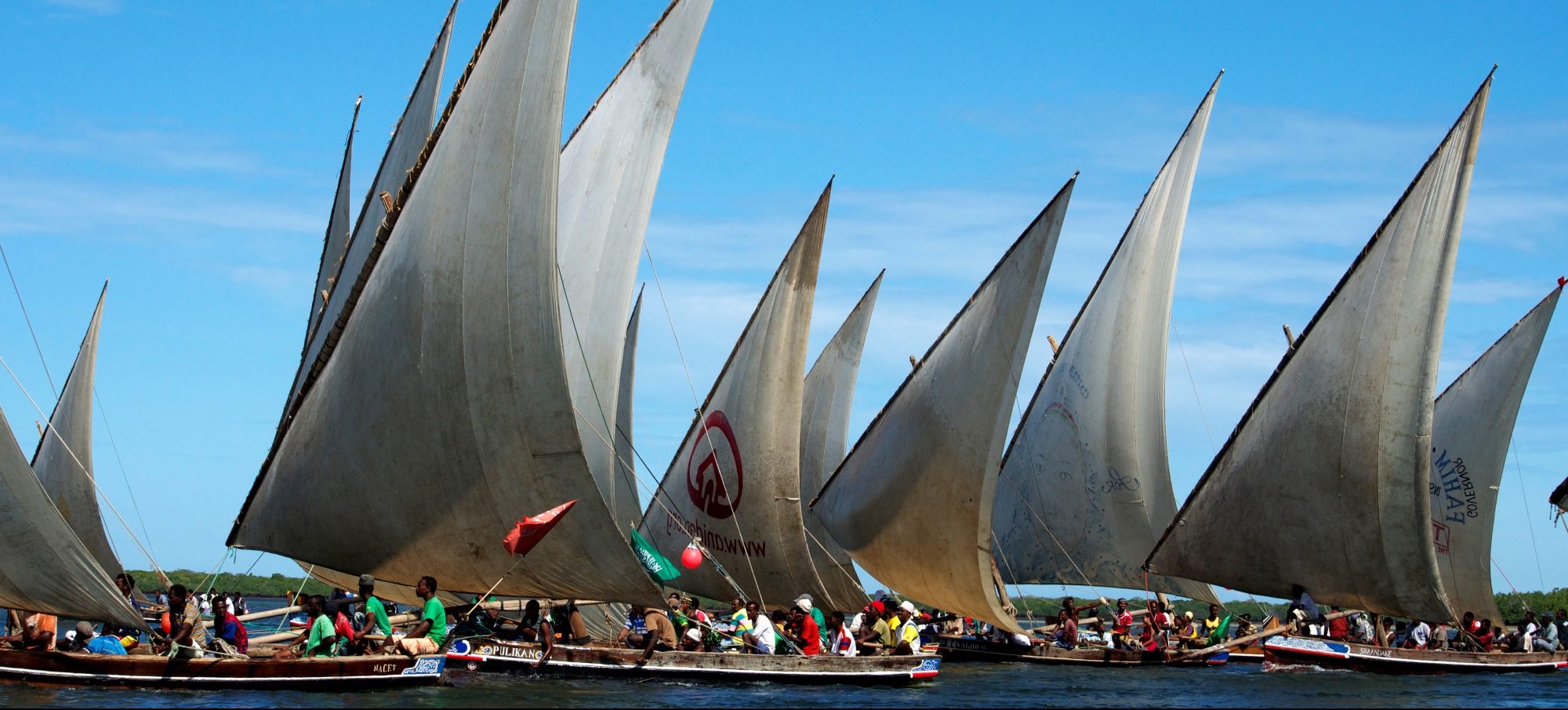
The annual Lamu Cultural Festival highlights Swahili heritage through traditional competitions, henna artistry, poetry and dhow races. Dhow racing also happens on New Year’s Day and during other cultural observances. During festival periods and peak travel times, accommodation fills quickly.
Lamu County has a warm, tropical climate year-round. January through March tends to be dry and windy, conditions that favours sailing and exploration. April to June brings the long rains, with more persistent showers. October and November see shorter rains that are usually less disruptive. December typically sees a rise in visitor numbers around the holiday period.
Unlike resort beaches with predictable swimming conditions, Lamu’s shoreline changes daily with tides and wind. Exploring the islands with an understanding of the seasonal pattern enhances the travel experience.
Best overall months: January to March
Dry, sunny and windy. Ideal for dhow sailing, walking through Old Town and beach time in Shela.
High season: December and major festival periods
Warm weather and cultural events such as Maulidi and the Lamu Cultural Festival. Accommodation fills quickly.
Long rains: April to June
Heavier rainfall and higher humidity. Travel is still possible, but outdoor plans may be affected.
Short rains: October to November
Intermittent showers, often in the afternoon. Fewer visitors and quieter stays.
What to consider:
Lamu’s beaches and channels are tidal. Swimming conditions shift daily. If sailing is a priority, the dry and windy months from January to March offer the most consistent conditions.
Most visitors fly from Nairobi, Mombasa or Malindi to Manda Airstrip, followed by a short boat transfer to accommodation. Boat taxis operate throughout the archipelago. Carry small denominations of cash, as change is not always available.
Modest dress is recommended, particularly in Lamu Town and villages, as a sign of respect for the local community. Prayer times structure daily rhythms, and shop hours or activities may pause briefly at those moments.
Accommodation across Lamu County ranges from guesthouses within Old Town to private beachfront houses, boutique lodges and small island retreats. Popular experiences include guided Old Town walks, dhow sailing at sunrise or sunset, village visits, marine excursions, cultural festival participation and multi-island stays.
For curated stays and locally verified experiences across the archipelago, explore our Lamu listings.
New places, practical travel advice, local stories and the best things happening across Kenya’s coast — sent occasionally, never noisily.
Your suggestion will be reviewed by the editorial team. It will not change the page automatically.