Mombasa County sits at the heart of Kenya’s coastline and remains the country’s oldest and most commercially significant coastal city. With a population of approximately 1.2 million people according to the 2019 census, it is both Kenya’s smallest county by land size, covering about 229.7 square kilometres, and one of its most densely inhabited.
Unlike quieter coastal counties, Mombasa is not a retreat from movement. It is shaped by trade, migration, faith and ocean commerce. The Port of Mombasa at Kilindini Harbour serves as a major maritime gateway for Kenya and neighbouring landlocked countries, and container ships remain part of the skyline.
Yet within this working city lies one of the richest cultural landscapes on the East African coast.
Geography and Administrative Structure
Mombasa County borders Kilifi County to the north, Kwale County to the southwest and the Indian Ocean to the east. The historic island core, known as Mvita, forms the centre of the county. Surrounding mainland areas include Changamwe to the west, Kisauni to the north and Likoni to the south.
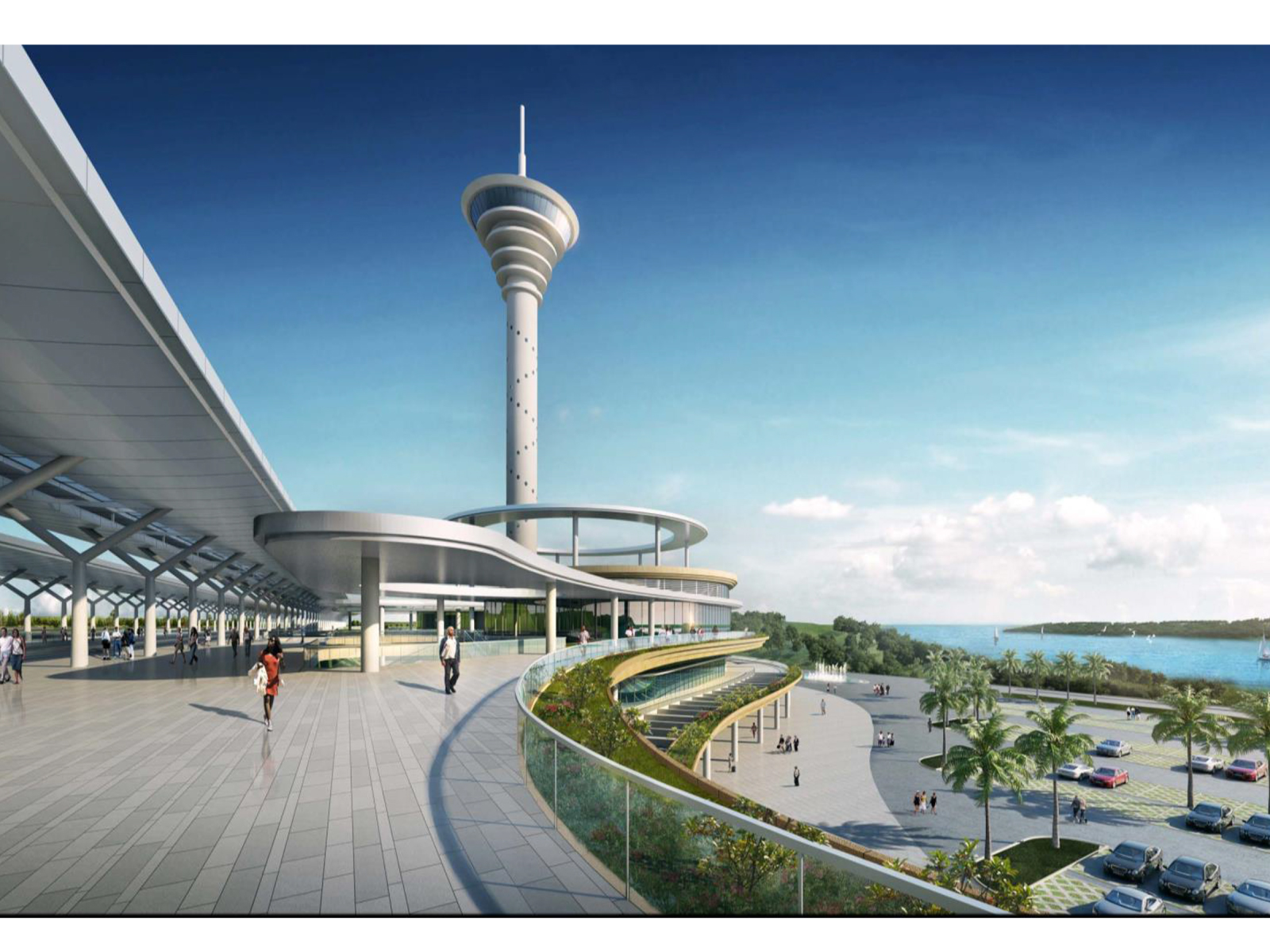
Mvita holds Old Town and Fort Jesus. Changamwe houses key infrastructure including Moi International Airport and major industrial zones. Kisauni is often referred to as the North Coast and includes Nyali, Bamburi and Shanzu. Likoni forms the southern connection to the South Coast and Shelly Beach.
Together, these areas create a county that is both urban and coastal.
Old Town and Fort Jesus
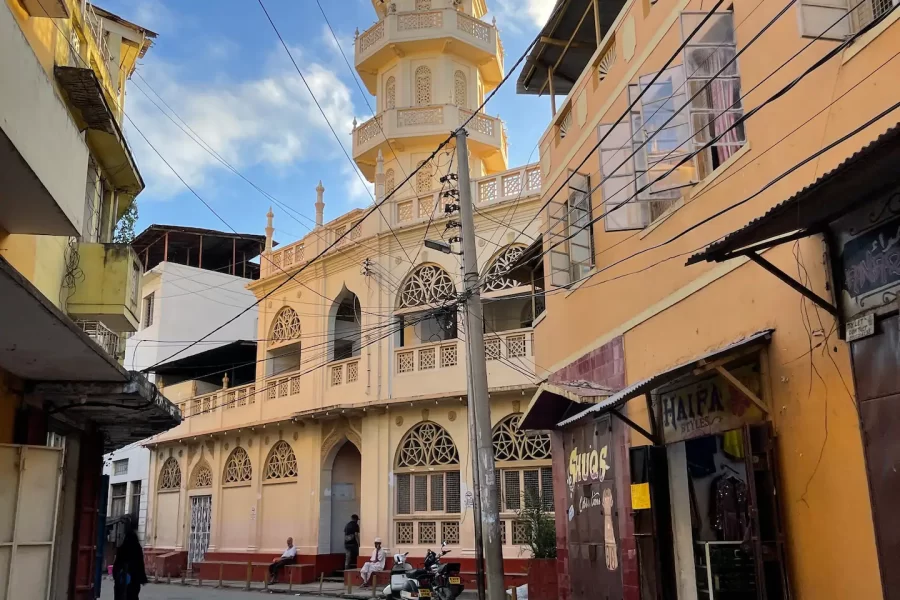
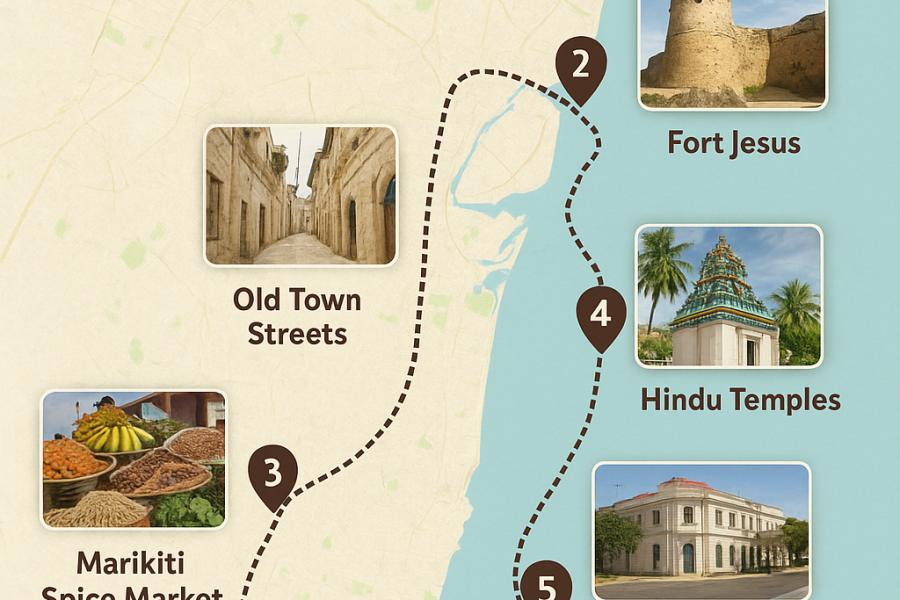
The historic core of Mombasa Island remains one of the most significant Swahili settlements in Kenya. Old Town’s narrow streets, coral-stone buildings and carved doors reflect centuries of Indian Ocean exchange involving Swahili, Arab, Portuguese, Omani, Indian and British influence.
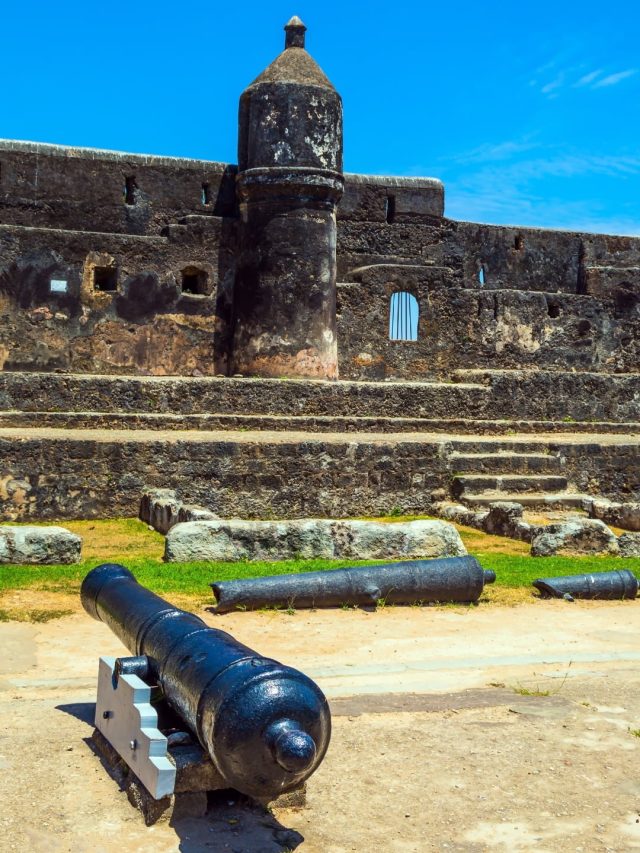
Fort Jesus, built by the Portuguese in 1593 and now recognised as a UNESCO World Heritage Site, stands as the city’s most prominent landmark. It has changed hands multiple times and today houses a museum documenting maritime trade, warfare and coastal culture.
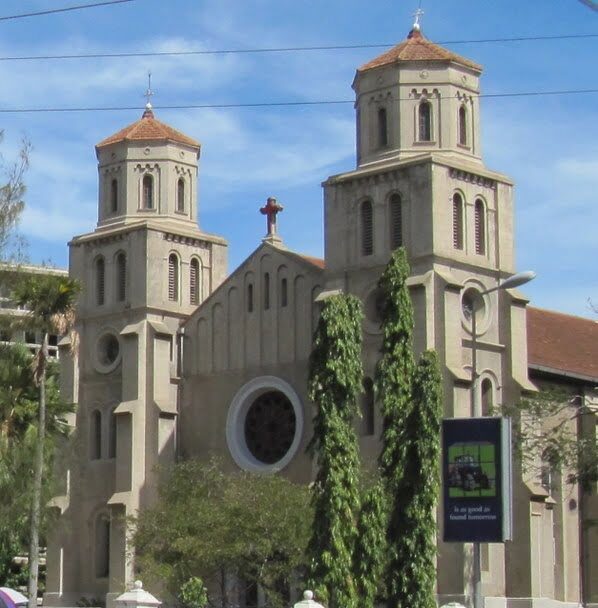
Markets, mosques, Hindu temples and churches coexist within walking distance of each other, reflecting Mombasa’s long-standing multicultural identity.
The Beaches and Marine Environment
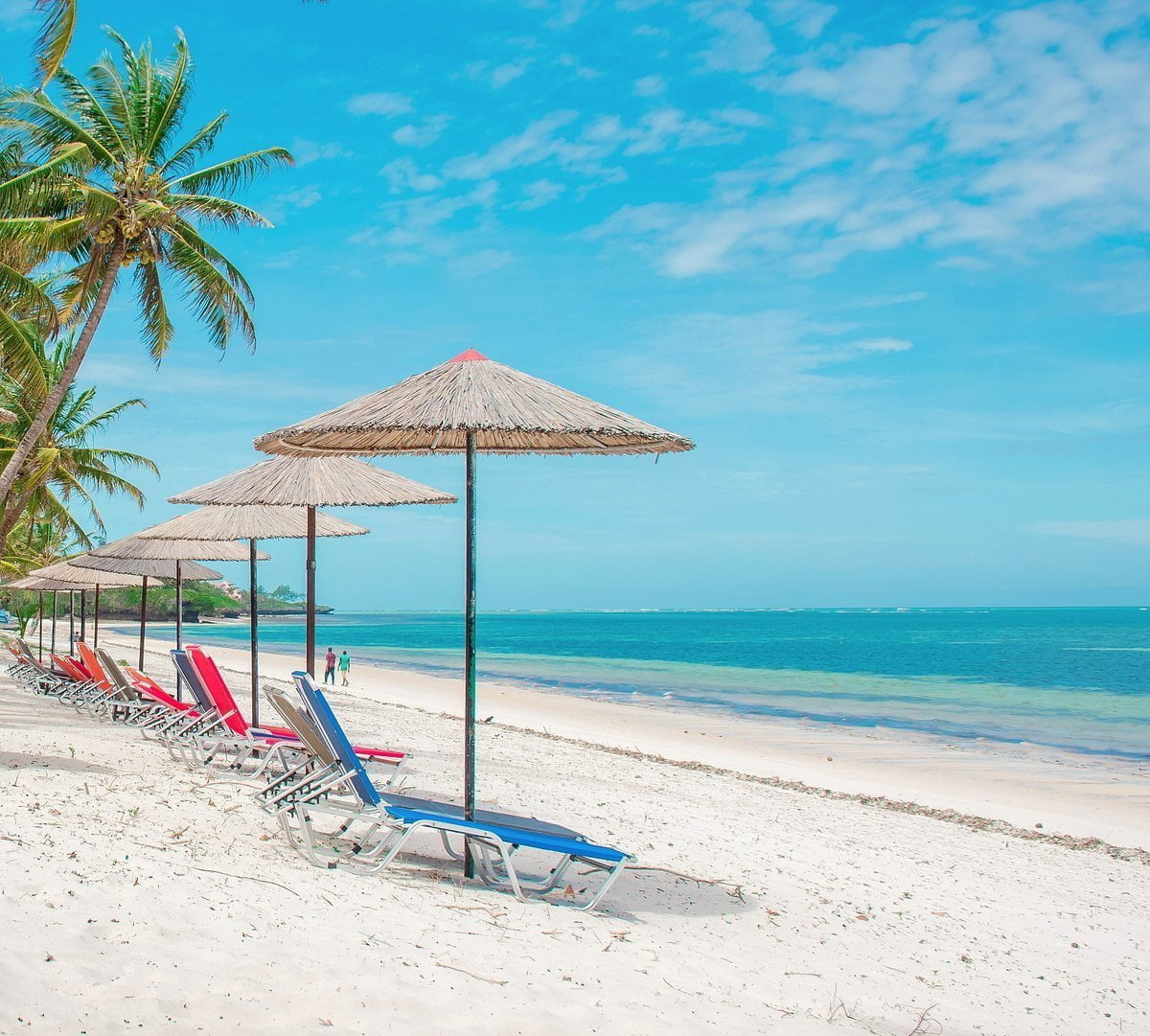
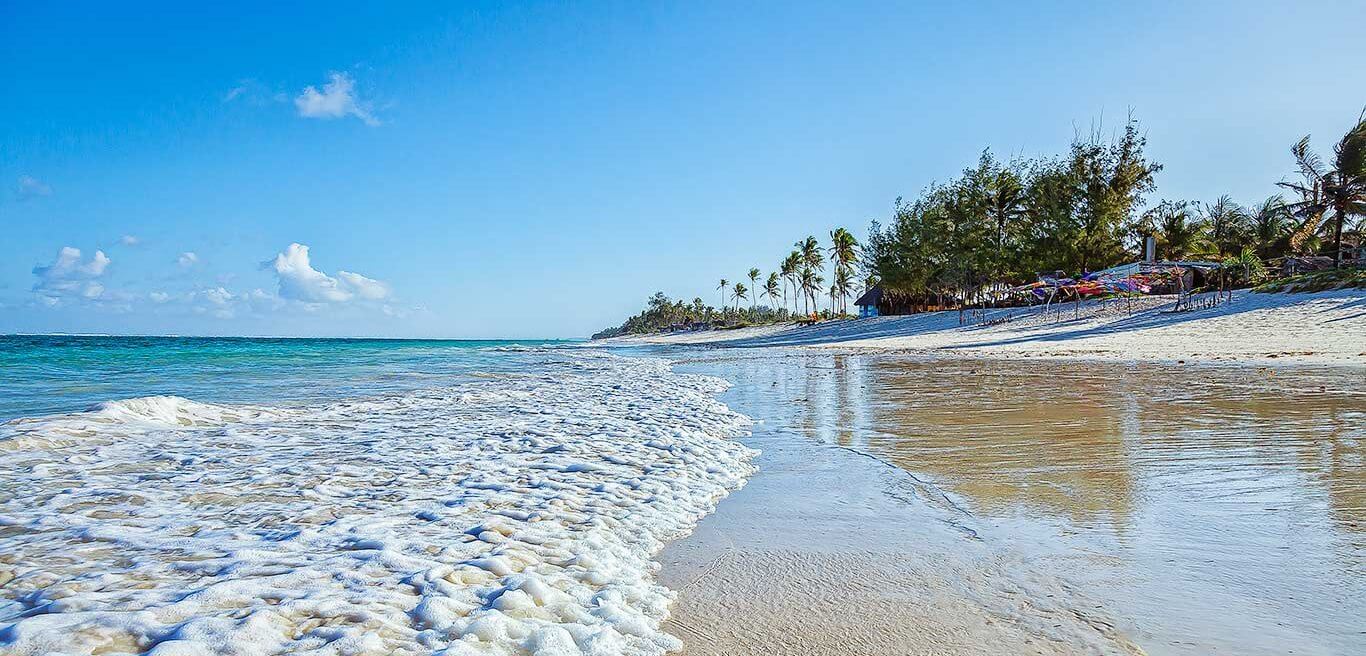
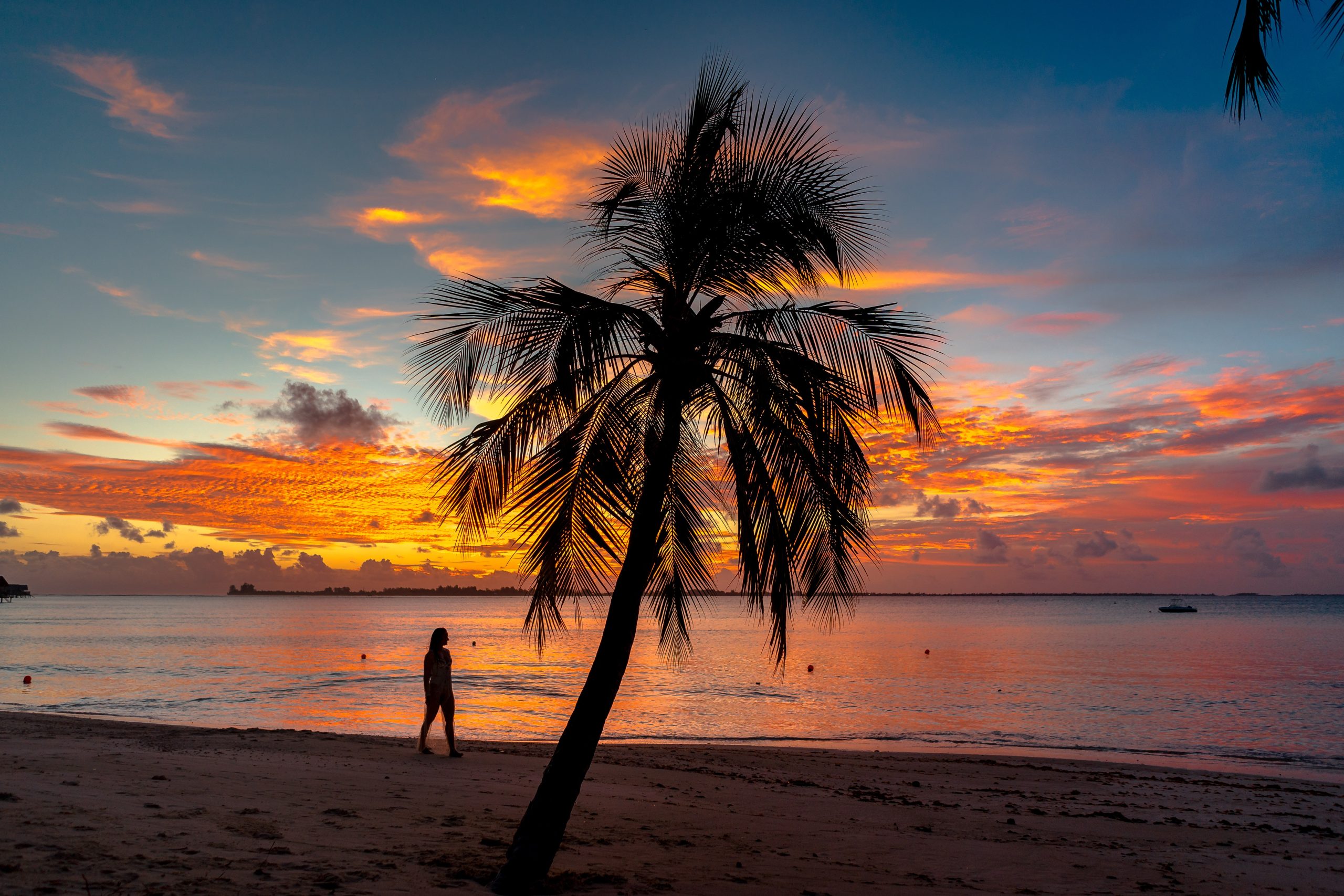
To the north of the island, Nyali, Bamburi and Shanzu offer accessible sandy beaches backed by hotels, residential estates and shopping centres. To the south, accessed via the Likoni Ferry or the Dongo Kundu bypass, Shelly Beach marks the beginning of the South Coast.
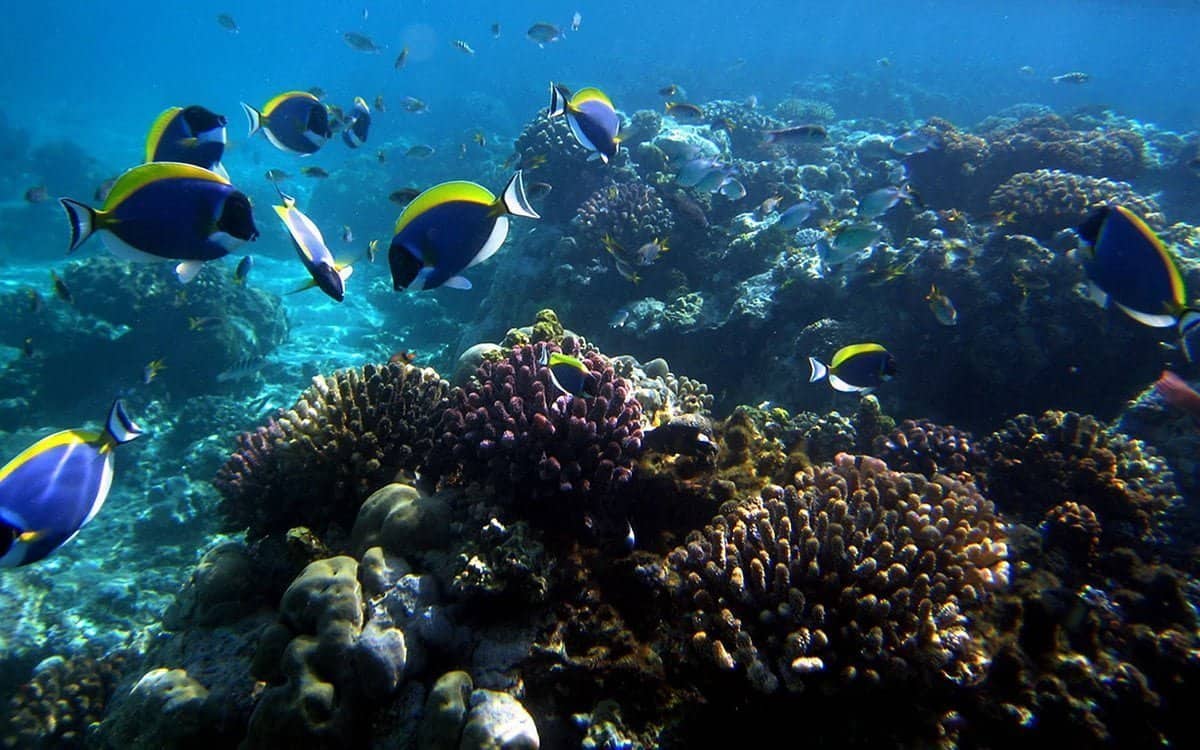
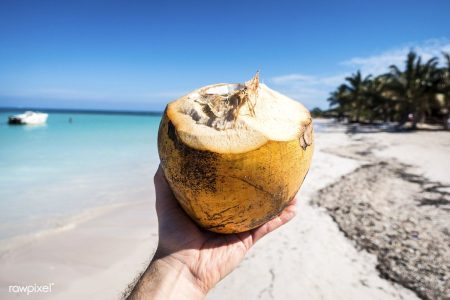
Mombasa Marine National Park and Marine Reserve protect coral reefs and marine ecosystems close to shore. Snorkelling, diving and water sports are common activities, particularly during calmer seasons.
Unlike remote island destinations, Mombasa’s beaches sit alongside city infrastructure. The coastline is active rather than secluded.
Urban Life and Infrastructure
Mombasa functions as a transport and logistics hub. Moi International Airport connects the county to Nairobi and regional destinations. The Standard Gauge Railway links the city to Nairobi in under five hours. Road networks connect north toward Kilifi and south toward Kwale.
Within the city, transport options include matatus, tuk-tuks, boda bodas and ride-hailing services such as Uber and Bolt. Traffic congestion can occur during peak hours, particularly near bridges and ferry crossings.
Shopping malls including City Mall and Nyali Centre reflect the county’s urban character. Golf clubs, sports clubs and the Mombasa Yacht Club add recreational options beyond the beach.
Culture, Religion and Coastal Identity
Mombasa is religiously diverse. Islam has deep historical roots along the coast, and the call to prayer is part of the city’s daily rhythm. Christianity and Hinduism are also widely practiced, reflecting long-standing migration and trade networks across the Indian Ocean.
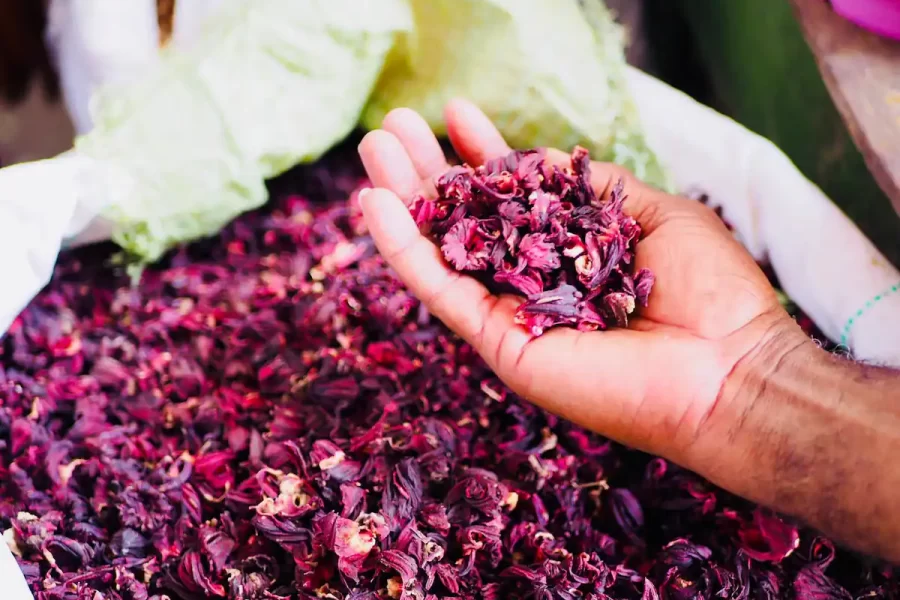
Swahili remains widely spoken alongside English and Kiswahili. Coastal cuisine, influenced by spices, coconut, seafood and rice, forms a central part of the county’s identity.
This layered cultural landscape distinguishes Mombasa from purely resort-based destinations.
Climate and Seasons
Mombasa has a tropical climate with average daytime temperatures often around 30 to 32 degrees Celsius. January to March is typically hot and dry. The long rains occur from mid-April through June and can be heavy. Shorter rains usually fall in October and November.
Sea temperatures remain warm throughout the year, though rainfall and wind conditions can affect ocean visibility for diving and snorkelling.
What Mombasa Suits
Mombasa County suits travellers looking for a combination of history, urban culture and accessible beaches. It appeals to those interested in architecture, food, port-city energy and oceanfront relaxation without leaving city infrastructure behind.
It may feel busier than Kilifi or Lamu, but that movement is part of its character.
Accommodation and Experiences
Accommodation ranges from international beach resorts in Nyali and Bamburi to boutique hotels in Old Town and serviced apartments across the mainland neighbourhoods.
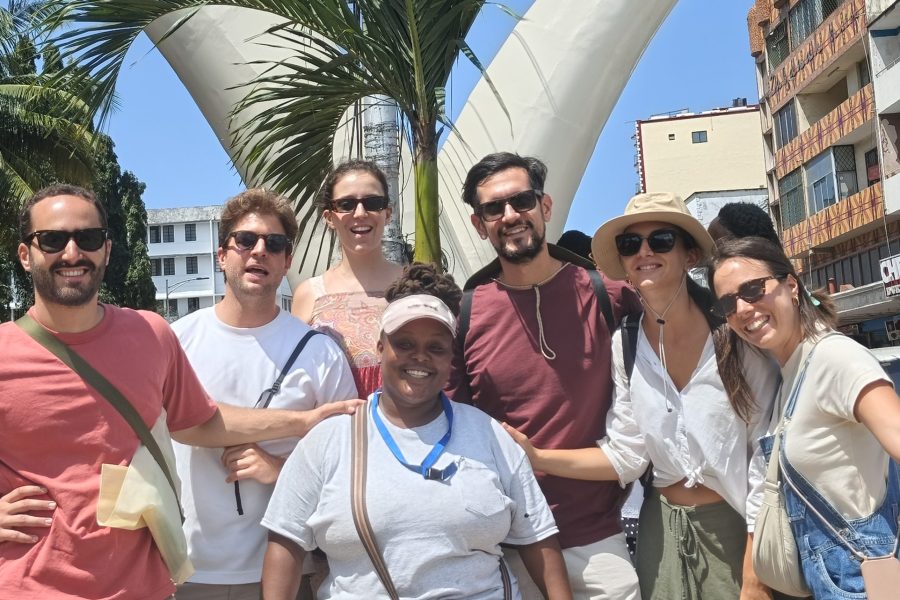
Experiences include heritage walks, marine excursions, food tours, dhow dining, golf, yachting and nightlife.
For curated stays and locally verified experiences across Mombasa County, explore our Mombasa listings.