Tana River County lies inland from Kenya’s northern coastline and is named after the country’s longest river. Covering approximately 35,375 square kilometres, it is one of Kenya’s larger counties by land area. According to the 2019 national census, the population stands at just over 315,000 residents.
The county borders Kitui to the west, Isiolo to the north, Garissa to the northeast, Lamu to the southeast and Kilifi to the south. Hola serves as the county headquarters.
Unlike Kenya’s beach-oriented coastal destinations, Tana River County is defined by river systems, floodplains and semi-arid interior landscapes rather than ocean tourism.
The River and the Landscape
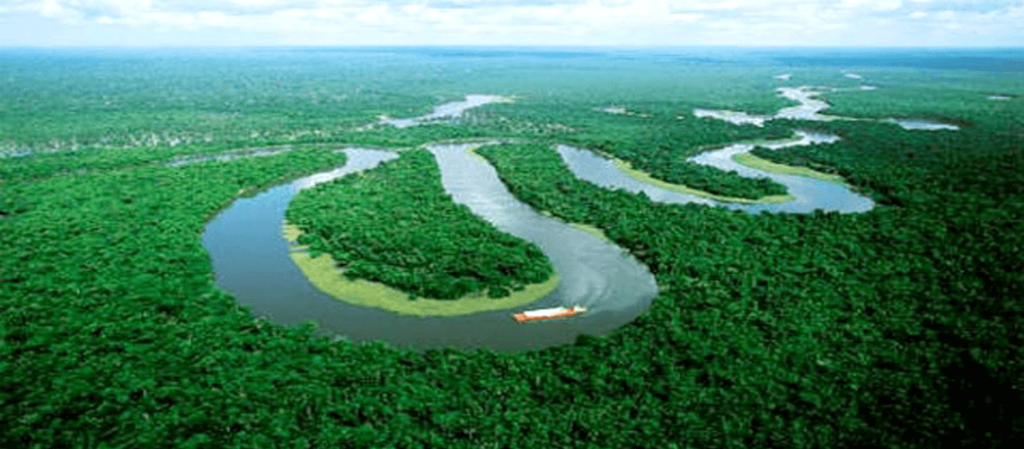
The Tana River is the county’s defining feature. Flowing from the highlands of central Kenya to the Indian Ocean, it creates fertile floodplains and delta ecosystems in its lower reaches. Seasonal flooding shapes agriculture, grazing patterns and settlement.
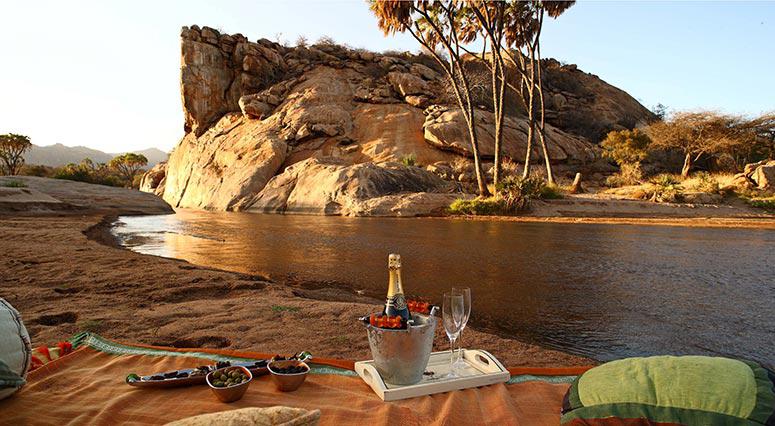
The landscape includes riverine forest, woodland, open grassland and semi-arid scrub. Notable natural features include the Bilbil Hills, the Lagas seasonal river system, sand dunes and inselbergs. Grand Falls, located upstream near the border with other counties, is one of Kenya’s largest waterfalls by volume during peak flow.
Near the coast, the Tana River Delta supports mangroves and wetland systems that are ecologically significant for birdlife and fish breeding.
Wildlife and Protected Areas
Tana River County contains several protected areas, though these are remote and lightly developed compared to Kenya’s major safari destinations.
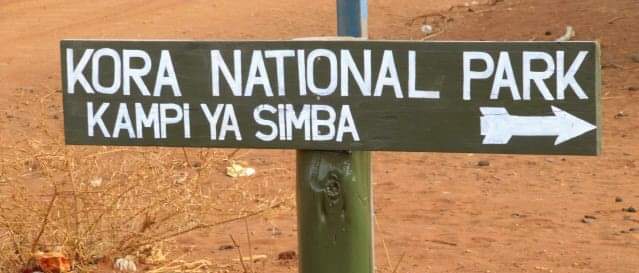
Kora National Park lies in the western part of the county and is known for its rugged terrain and historical association with conservationist George Adamson, whose grave remains within the park. Wildlife includes elephants, lions and various antelope species, though sightings require patience and local guidance.
Tana River Primate National Reserve was established to protect the endangered Tana River red colobus and mangabey monkeys. The reserve consists largely of riverine forest fragments and is of particular interest to researchers and conservation-focused visitors.
Arawale National Reserve, in the northern region, was once an important sanctuary for the rare hirola antelope. The reserve remains ecologically significant, though infrastructure is limited.
Travel to these areas requires planning, appropriate vehicles and local coordination.
Communities and Livelihoods
The county is home to several communities, including the Pokomo, Orma and Wardei peoples. The Pokomo traditionally practice riverine farming along the Tana floodplains, while the Orma and Wardei communities have pastoralist traditions.
Agriculture and livestock rearing remain the primary economic activities. Fishing also plays a role in communities closer to the delta.
Religion in the county includes both Christianity and Islam, with Islamic influence stronger in areas closer to Lamu and the coast.
Kipini and the Coastal Edge
At the southeastern boundary of the county lies Kipini, where the Tana River meets the Indian Ocean. This area combines riverine forest, mangroves and coastal scenery. Tourism here is small-scale and lodge-based, appealing to travellers interested in fishing, birdwatching and quiet river settings rather than beach resorts.
Climate
Tana River County lies within a semi-arid climatic zone. Annual rainfall is generally below 600 mm in many parts of the county, with higher precipitation occurring along river corridors. The area experiences two rainy seasons, typically from April to June and again in October and November.
Temperatures are warm to hot throughout the year, often exceeding 30°C during the day. Travel conditions are generally easier during the drier months when road access improves.
Access
By road, Tana River County can be reached from Nairobi via Thika and Mwingi toward Hola, or through the coastal highway network connecting to Kilifi and Lamu regions. Road conditions vary and may be affected by heavy rains.
Hola Airport serves as a small civilian airstrip with limited scheduled services.
Independent travel into remote areas is not advised without local knowledge or coordination.
Accommodation and Experiences
Accommodation options in Tana River County are limited and typically lodge-based, particularly near Kipini and along parts of the river and delta. Experiences may include wildlife viewing in Kora National Park, birdwatching in the delta, fishing excursions and conservation-focused travel.
This destination is best suited to eco-tourists, researchers, birdwatchers and experienced domestic travellers seeking remote landscapes rather than resort-style amenities.