
The Quiet Work of Diani Turtle Watch

Before sunrise, the beach tells the truth. This is what the monitors see, and what visitors can do that actually helps. At 5:30 a.m. the beach is quiet in a way most visitors never catch. The tide is only just starting to pull back. The sand still shows last night’s mess. A dragged flip flop line. A bottle cap half buried. Yesterday’s footprints already softening at the edges. A few early walkers pass, but the people doing the most important work are looking down, scanning for tracks that did not come from humans. A turtle’s path is easy to miss if you do not know what you are looking for. A wide sweep from the water. Sand pushed up where flippers dug in. A rough patch where she paused long enough to try. Sometimes it is a successful nest. Sometimes she turns back without laying. Sometimes the nest is in the wrong place and will not survive unless somebody gets there early. That is where Diani Turtle Watch (DTW) comes in. DTW is a programme under Local Ocean Conservation, a Kenyan nonprofit organisation that began turtle conservation work in Watamu in 1997, and later established Diani Turtle Watch in 2012 to protect turtles along the Diani coastline. The programme operates from the Marine Education Centre at The Nomad Beach Resort. This is what conservation looks like on a busy tourist beach. Long walks. Early mornings. Difficult calls. A community learning how to share a coastline with creatures that have been returning here for generations. Quick facts (verified) Who: Diani Turtle Watch (DTW), under Local Ocean ConservationBase: Marine Education Centre at The Nomad Beach ResortSupport option: Adopt a NestAdopt a Nest contact: +254 758 961 322 In this guide Why sea turtles matter in Diani To most people, sea turtles are simply beautiful. Calm, ancient looking, harmless. But they also do real work in the ocean. Green turtles graze seagrass meadows. Those meadows are underwater nurseries for fish and important carbon sinks. When seagrass grows unchecked, it can start crowding out the balance other marine life depends on. Hawksbill turtles feed on sponges on coral reefs. That matters because sponges can spread aggressively, and without hawksbills they can overwhelm coral growth. When turtles thrive, reef and seagrass systems tend to do better too. That affects fish populations, the long term health of the coast, and the tourism that depends on a living ocean. Why this matters, in plain terms The Diani Turtle Watch Centre DTW’s hub sits along the South Coast at the Marine Centre at Nomad Beach Resort. The centre operates as a working base, part education space, part coordination point, part research and reporting hub. It is not polished in a museum way. It feels like a place where people actually work. What to expect: Once inside, visitors learn the basics that most beach conversations skip: This centre is where visitors become informed supporters, and where local beach operators, students, and community members connect to the work. Nesting seasons and turtle species in Diani DTW monitors approximately 30 km of coastline, from Kongo River to Funzi Island. Beaches differ. Some are busy and bright. Others, like Chale and Funzi, can be quiet enough that nests are sometimes left in place with no relocation. Three turtle species are recorded along the Diani coast: Nesting activity has continued consistently across recent seasons, including 2024, 2025, and 2026, as part of DTW’s ongoing monitoring and protection work along the South Coast. A single nest can hold 80 to 200 eggs. The eggs are buried like a sealed container under the sand and incubate for roughly 60 days. One detail people do not expect is that sand temperature influences sex. Cooler sands tend to produce more males. Warmer sands more females. That means climate and beach conditions do not just affect survival, they shape future populations. In calmer places like Chale and Funzi, some nests are left exactly where they are, with no relocation and no intervention, because conditions are still quiet enough to keep predators and people away. Inside the morning patrols DTW monitors patrol early because the beach tells the truth before it gets walked over. They look for: Their work includes: During peak periods, patrols can extend into the night. Slow, careful walks under starlight to protect nesting mothers and keep interference low. DTW also uses satellite tagging to track mothers across the region. Journeys can stretch between Kenya, Tanzania, Mozambique, and the Seychelles, before they return to lay again. The main threats facing sea turtles in Diani DTW deals with beauty and danger in the same frame. The main threats include: Some threats are dramatic. Most are slow and ordinary. That is what makes them dangerous. Adopt a Nest DTW runs a programme that gives people a simple, direct way to support the work: Adopt a Nest. Adoption options include: • KES 3,500 for Kenyan residents, supporting on the ground conservation work in Diani• USD 35 for non residents and international supporters, via Local Ocean Conservation Inclusions may vary depending on adoption method, and are kept intentionally broad. That money supports: • patrol equipment• monitors’ allowances• rescue operations• community education• nest relocation materials Adoption contact: +254 758 961 322 How visitors can help without getting in the way You do not need to be a scientist to support turtles. The most helpful behaviour is usually the simplest: Tourism and conservation do not have to be enemies here. In Diani, they can support each other, but only if visitors treat the beach like a living place, not just a backdrop. As sunset comes on, Diani slips back into its beach mood. Music from the bars. People rinsing off salt. The last kitesurfers packing up. It is easy to believe the ocean takes care of itself. But the next morning, monitors are back on the sand, checking tracks before the day erases them. Most visitors never see that part. If you do nothing else, keep your lights low at night

Read More

Diani, Kenya: Your Complete Guide

Diani, located 30 kilometres south of Mombasa, stands out as a premier African beach destination. Its allure extends well beyond the captivating coastline, embracing a harmonious blend of natural beauty, diverse wildlife, and a vibrant cultural scene. The authentic local atmosphere makes it a must-visit for both local and international travelers. Join us as we explore the compelling reasons that make this coastal town an irresistible addition to your travel wishlist. Brief History Of Diani Diani’s roots intertwine with Swahili culture, a tapestry woven since the 8th century when Arabs arrived on the South Coast. This cultural crossroads sparked a significant evolution, with Arabs introducing various Swahili practices to the predominant Digo population. Notably, the enduring influence of Arab traditions is reflected in the religious practices of the present-day Digo community, where approximately 90% adhere to the Muslim faith, a heritage passed down over centuries. The historical ties between Diani and East African civilization deepened with the Arabs’ entry into Kenya through coastal inlets. This marked a pivotal era of trade, imprinting a lasting impact on Diani’s development. Many distinctive facets of Diani find their origins in this Arabic influence, a historical foundation that continues to shape the town. Beyond the dominance of the Digo and other Mijikenda subtribes, Diani has evolved into a cosmopolitan destination, embracing residents from diverse origins. Major business establishments owned by non-local investors contribute to its economic vibrancy, making it an appealing prospect for those with a business-oriented mindset. Getting to Diani Visitors to Diani have a range of transportation options, each catering to diverse preferences. Key channels for reaching Diani include Air, Road, and Railway transport. Access Via SGR (Standard Gauge Railway): For those journeying from Nairobi to Diani, the Standard Gauge Railway (SGR) offers a convenient and scenic route. Commencing the trip from Miritini provides access to Mombasa. Presently, SGR tickets are priced at Ksh. 1,000 for economy class and Ksh. 3,000 for First Class coaches. However, it’s important to note a recent government announcement indicating a 50% ticket price increment starting January 2024, with new prices set at Ksh. 1,500 for economy class and Ksh. 4,500 for First Class coaches.  Upon reaching the SGR Mombasa Terminus, easy access to Diani from Mombasa Island to Kwale Mainland is facilitated through the Likoni Channel. Shared minivans, abundantly available at the railway station, offer seamless transport with an approximate cost of Ksh. 700 per person Access By Road: Ideal for road trip enthusiasts, the journey from Nairobi to Diani spans approximately 9 to 10 hours, providing a scenic adventure. Whether opting for bus travel or self-drive, both options are accessible. Bus Travel: Utilizing the Likoni channel during bus travel incurs no additional fee. However, travelers might be required to disembark at the Likoni Ferry channel and re-board on the mainland. Self-Drive: For those preferring the autonomy of self-driven trips, Likoni ferry services come into play, with fees ranging from Ksh. 300 to Ksh. 500 for a 2-way ticket, contingent on vehicle type and capacity. Access Via Air: An alternative means of reaching Diani is through air transport, facilitated by the recently expanded Diani Airport. The costs for air tickets to Diani vary depending on the airline, season and the point of origin.  Getting around Upon landing at Diani Airport, an array of local transport options ensures seamless movement to various attractions, hotels, nightlife spots, and eateries. Taxi cabs, with fares ranging from Ksh. 500 to Ksh. 2,000, offer a comfortable means of transport. Additionally, more budget-friendly alternatives such as Tuk Tuks, Boda Bodas, and local taxis are readily available. Attractions In Diani Beaches Location: Approximately 6 kilometers from Carrefour Supermarket junction. Entry Point: Kongo Mosque along Diani Beach Road. Kongo Beach, renowned for its expansive stretch, is a family favorite. Clean and inviting, it’s an ideal spot for quality family time and boasts historical sites, including the iconic Kongo Mosque. Entry Point: Directly opposite Manyatta Discotheque. Bidi-Badu Beach offers the quintessential Diani beach experience, complete with public facilities. Its expansiveness and cleanliness make it perfect for friends, peers, and families. Direct access to a mosque along the beach adds to its appeal. Location: Directly opposite the main entrance to Diani Airport (Turn left towards Neptune Hotel at the cross junction branching to Diani Airport). Landmark: Tiki Bar. Strategically positioned, Tradewinds Beach captures the true essence of Diani’s ambience. It’s a popular facility for locals, offering an ideal setting to spend time with friends and family while enjoying your favourite music and drinks. Location: On the way past Neptune Beach Hotel. Access:  Close to Galu Salama via Pallet Cafe. Galu Beach, proximate to the Columbus Conservation facility, is ideal for family excursions. With direct links to beach hotels and amenities, its unique features make it a standout destination along Diani’s coastline. Access: Via Soul Breeze Beach Hotel. If you are a party person, this is the perfect beach for you. Although not as public as the aforementioned beaches, Soul Breeze provides direct access to the Indian Ocean, and more so the white sands of Diani. 2. Shimba Hills National Reserve Shimba Hills National Reserve stands out as a key coastal forest in East Africa, second only to the Arabuko-Sokoke Forest. Nestled in the former Coast Province of Kenya, this biodiverse haven boasts lush coastal rainforests, woodlands, and grasslands. Notably, it hosts the highest density of African elephants in Kenya, with approximately 700 majestic individuals roaming its terrain. Beyond its rich fauna, the reserve is a botanical treasure trove, showcasing over 50% of Kenya’s 159 rare plants, including endangered cycads and orchids. Recognized as a nationally significant site for birds and butterflies, the reserve also shelters Kenya’s exclusive population of sable antelope, numbering around 100. 3. Sheldrick Falls Deep within Shimba Hills National Reserve, Sheldrick Falls is a captivating natural wonder, featuring an impressive 21-meter waterfall with a natural plunge pool at its base. The pristine location provides a rejuvenating experience for visitors after exploring the reserve. The descent to the pool unveils picturesque lianas, lush greenery, and the chance to

Read More

Help Save the Colobus Monkeys of Diani from Electrocution!

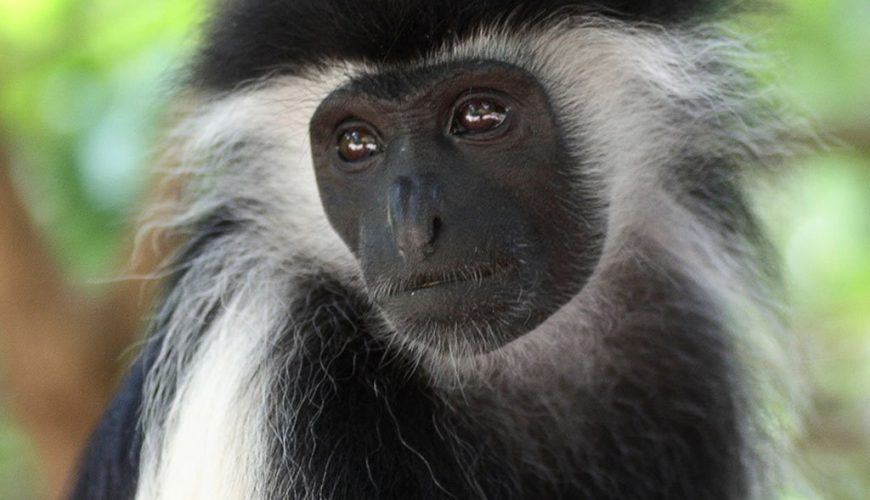
Saving The Colobus Monkeys of Diani In the lush landscapes of Diani, Kenya, the rapid urban development has unwittingly brought about a perilous threat to the local wildlife, particularly the Angolan Colobus Monkey. The installation of electric power lines has inadvertently turned these pathways into death traps, leading to an alarming increase in electrocution incidents. Colobus Conservation, a not-for-profit organization, has launched a vital initiative to protect these endangered primates by insulating power lines at identified electrocution ‘hotspots.’ Here’s your chance to contribute to the cause and make a real difference in preserving Kenya’s unique biodiversity. The expanding urbanization of Diani has necessitated additional power lines, posing a significant challenge to the colobus monkeys. Tragically, these power lines have become easy but deadly pathways for the primates, resulting in a staggering 30% of non-natural monkey deaths annually. Over the last five years alone, 93 colobus monkeys have suffered electrocution-related fatalities, signalling an urgent need for action. Colobus Conservation has developed a comprehensive plan to address this crisis: The insulation of power lines associated with electrocution ‘hotspots’ is not just a short-term fix but a sustainable solution with far-reaching benefits. By reducing the number of colobus monkeys killed or maimed, this initiative contributes significantly to the preservation of the IUCN Vulnerable species. Moreover, it aims to inspire developers and Kenya Power to prioritize insulated power lines in future installations, setting an example for residents on how they too can play a crucial role in preserving the majestic colobus monkeys. About Colobus Conservation Colobus Conservation, founded in January 1997, is a not-for-profit organization dedicated to the long-term survival of the Angolan black and white colobus monkey and other primates on the South Coast of Kenya. Recognized internationally for its work, the organization addresses various aspects, including habitat conservation, community linkages, conflict management, welfare, education, and eco-tourism awareness programs. How You Can Help Your compassion and action can directly impact the survival of the endangered colobus monkeys in Diani, Kenya. Here’s how you can contribute to the crucial efforts of Colobus Conservation in preventing the electrocution of these magnificent creatures: 1. Donate with M-Pesa: Your financial support is instrumental in insulating power lines and creating a safer environment for colobus monkeys. To donate, use M-Pesa Pay Bill: 891300, Account: GG61853. Your generosity will go directly towards the insulation of power lines, safeguarding the colobus monkeys and ensuring a brighter future for Kenya’s unique wildlife. 2. Visit the Global Giving Page: Explore Colobus Conservation’s GlobalGiving campaign page, Stop the Electrocution of Colobus Monkeys. Here, you can find more information about the campaign, the organization’s mission, and make secure online donations. Every contribution, regardless of size, makes a meaningful impact. 3. Spread the Word: Awareness is a powerful tool in wildlife conservation. Share the Global Giving campaign link, Stop the Electrocution of Colobus Monkeys, with your friends, family, and colleagues. Encourage others to join the cause, amplifying the reach and impact of the campaign. Join Colobus Conservation in the fight against electrocution and be a part of the solution to protect the endangered colobus monkeys of Diani. Together, we can make a lasting impact on the conservation of Kenya’s rich biodiversity.

Read More

Kwale County

Kwale County is the southernmost part of Kenya. Its capital city is Kwale town, and Diani – a major tourist area, is the most well-known town in the county. Kwale County borders the Republic of Tanzania to the South West, Taita-Taveta to the West, Kilifi to the North, Mombasa to the North East, and the Indian Ocean to the East. Quick facts Population: 866,820 million as of 2019Size: 8,270.3 km2 (3,193.2 sq mi) 62 Km² is underwater.Subdivision includes:MsambweniLunga lungaMatugaKinango Geography and climate Kwale County has four major topographical features, the coastal plain, the foot plateau, the coastal uplands, and the Nyika plateau.Kwale County has a monsoon type of climate; it`s hot and dry from January to April, while June to August is the coolest season. Rainfall comes in two seasons; short rains are experienced from October to December while the long rains run from March- to June/July. The average temperature of the county is 24.6°C, and rainfall amounts range between 400mm and 1,680 mm per annum. Getting To Kwale County Ukunda Airport is the only airport in the county, and it is only an hour away from Nairobi. Most domestic carriers charter this route daily, and some have two flights a day. Here are some airlines that fly to Ukunda at least once a day.SafarilinkFly 540 Jambojet Via Road: The road from Mombasa has tarmacked the journey from Mombasa via the likoni ferry typically takes about two hours. By Train Visitors who wish to travel by train would have to take the Nairobi -Mombasa SGR, also known as the Madaraka express, and then take a taxi or one of the minibusses available at the train station.A journey from Nairobi to Mombasa takes less than five hours, and a ticket for the economy class costs Ksh 1000 or Ksh 3000 for first class. Train scheduleMombasa to Nairobi:Departure 08:00, arrival: 13:42Departure 15:15, arrival 20:14 Nairobi to Mombasa:Departure 08:20, arrival: 14:18Departure 14:35, arrival: 19:18 Attractions In Kwale County Shimba Hills National Reserve. Kisite Mpunguti Marine Park Wasini Island Kaya Kinondo Forest Colobus Conservation Centre Diani Beach Art Gallery Tiwi beach Sheldrick falls shimoni caves Diani beach Accommodation Options From luxurious beach resorts to budget-friendly hostels, Kwale county has a wide range of accommodation options that will suit every budget and taste. Whether you’re looking for an exclusive island getaway or a remote off-the-beaten-track beach holiday, our selection of accommodation list is sure to inspire you. Browse through the accommodation section or contact us directly with your desired accommodation type and we will recommend the best options.

Read More