

A Pedestrian’s Guide to the Likoni Ferry

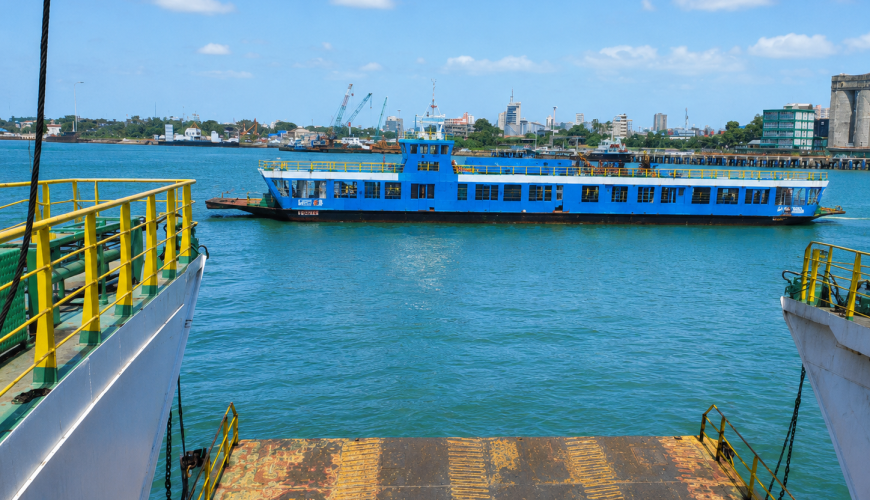
How to Cross the Likoni Ferry on Foot The Likoni Ferry is one of Mombasa’s most important crossings, linking Mombasa Island with Likoni and the wider South Coast route to Ukunda, Diani, Tiwi and Kwale. The crossing operates under Kenya Ports Authority ferry services and remains the main pedestrian link between Mombasa Island and Likoni. The water crossing itself is short, roughly 500 metres but the experience can feel confusing if it is your first time. There is no fixed passenger timetable; ferries operate in rotation throughout the day and night, so your waiting time depends on crowds, vehicle traffic, weather and how many vessels are running. The ferry area is busy, vehicles move in separate lanes, pedestrians gather in large numbers, security checks are required, and once the gates open, people move quickly towards the vessel. This is not a small tourist transfer. It is a working commuter crossing used daily by residents, workers, traders, students, vehicles and travellers heading between Mombasa Island and the South Coast. Crossing on foot is simple once you understand the flow. Pedestrians cross for free, the ferry ride only takes a few minutes, and the main thing is knowing where to enter, where to wait, how to move with the crowd, and where to find the right matatu once you reach the mainland side. 1. Getting to the Island-Side Ferry Terminal If you are starting from Mombasa Island, your journey begins by getting to the Likoni Ferry terminal. From the Mombasa CBD, look for matatus heading towards Likoni or Ferry. Common boarding areas include Digo Road, Posta and nearby CBD stages. Before getting in, confirm with the conductor that the matatu is going to the ferry. The matatu will take you down towards Nyerere Road and drop you near the ferry approach, close to Likoni Mall. From there, it is a short walk towards the pedestrian entrance and security screening area. If you are crossing with a private car, taxi, tuk-tuk or motorcycle, vehicle tolls apply and payment is handled separately through the cashless ferry payment system. If you are taking a taxi, airport transfer or private vehicle across the ferry, ask whether the ferry toll and waiting time are already included in the quoted fare. Pedestrians cross free. Cost from Mombasa CBD to the ferry From Mombasa CBD to the Likoni Ferry area, the normal matatu fare is usually around KSh 30, though it can rise to about KSh 50 during heavy rain, traffic disruption or the evening rush hour. Keep loose change ready, as it makes boarding easier and avoids unnecessary delays when paying the conductor. If you are new to Mombasa, ask clearly for “Ferry” or “Likoni Ferry” before boarding. If you are carrying luggage, choose a seat where you can keep your bag close and still exit without struggling through the matatu. 2. Passing Through Security Before entering the pedestrian waiting area, everyone passes through security. Pedestrians do not pay to cross, but bags may be checked, especially larger or bulky luggage. On quiet days, the process is usually quick; during peak hours, the line can slow down as officers carry out manual checks or pull travellers aside for closer inspection. Keep your bag easy to open and close so you can move through without delaying yourself or others.Do not take photos or videos around the terminal, ferry gates, security areas or boarding points. The ferry is a sensitive crossing, and filming can attract attention from security officers. What to expect Before entering the waiting area, security officers may ask to check your bag. Small bags are usually checked quickly, while larger luggage may take a little longer. During busy hours, this can slow the queue down, so keep your phone, wallet and travel documents secure and avoid opening your bag unnecessarily in the middle of the crowd.Prepare before you reach the front of the line. If your bag needs to be checked, make it easy to open and close. Once you are through security, move into the waiting bay and keep your belongings close. 3. Waiting in the Pedestrian Bay After security, you enter the covered pedestrian waiting bay. This is usually the busiest part of the crossing. During peak hours, hundreds of people may wait behind the gates until the next ferry is ready for boarding. Once the gates open, the crowd moves quickly down the ramp towards the vessel. If you are not in a hurry, you do not need to compete with the first rush. Stand slightly back or use the concrete benches, then follow once the first wave has moved. In many cases, you will still board the same ferry, but with less pushing and less pressure. Busiest times The busiest times are early morning and evening. The morning rush is usually between 6:00 a.m. and 9:00 a.m., when people are travelling to work, school and town. The evening rush usually builds from around 4:30 p.m. to 8:00 p.m., especially as people return towards Likoni and the South Coast. Expect heavier crowds on Fridays, weekends, public holidays and during school travel seasons, when more people are moving with luggage, children or shopping. Best approach for first-time travellers Please note that the Liwatoni Floating Bridge is no longer in use, so pedestrians crossing between Mombasa Island and Likoni now rely on the main Likoni Ferry terminal. The bridge was withdrawn after concerns that it interfered with port navigation and shipping operations, so visitors should not plan around it as an alternative crossing. This is one reason the pedestrian bay can feel very busy during peak hours. 4. Boarding the Ferry When the gates open, pedestrians walk down the concrete ramp and onto the ferry. Vehicles use the central lanes, so keep to the side walkways unless ferry staff direct you otherwise. Once on board, move calmly to the pedestrian areas along the sides of the vessel. If you want air and views, stand near the outer railings, where you may catch views of Kilindini
Read More

19 Best Things to Do in Malindi, Kenya

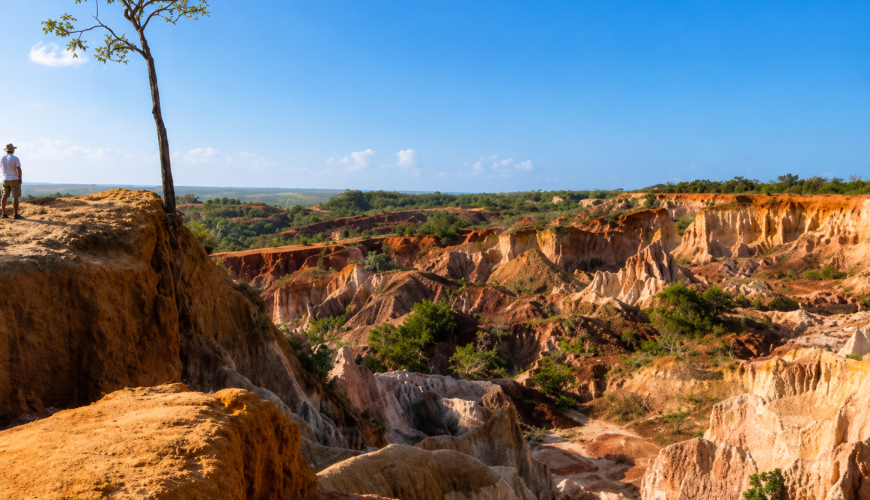
Malindi is often introduced as a beach town, but that description only tells half the story. Yes, there are warm Indian Ocean waters, white-sand beaches, palm-lined roads and the soft rhythm of coastal life. But Malindi is also layered with centuries of Swahili history, Portuguese landmarks, Italian cafés, local vibandaski, offshore coral reefs, mangrove creeks, sandstone canyons, ancient ruins, coastal forests and wind-shaped dunes, all within easy reach of town. That mix is what makes Malindi interesting. It is not as fast or crowded as Mombasa, not as polished as some resort towns, and not as small as Watamu. It has its own rhythm: part old trading town, part marine destination, part cultural crossroads, part easy coastal escape. For first-time visitors, the best way to experience Malindi is not to rush through a checklist. Start with the town itself ,the beaches, Old Town, the marine park and the historic landmarks, then build outwards to Gede, Watamu, Mida Creek, Arabuko Sokoke, Mambrui and Marafa. 1. Start at Silversands Beach Silversands is one of the easiest ways to settle into Malindi. Close to town and simple to reach, it is the kind of beach that works whether you have an entire morning or only an hour before lunch. It does not need much planning. You come for the sea air, the changing tide, the wide sand, the early walkers, the fishermen, the photographers waiting for sunrise, and the easy reminder that Malindi is still, before anything else, a coastal town. At low tide, the beach opens up into shallow pools and exposed reef sections. At high tide, the water feels more inviting for swimming. The atmosphere shifts throughout the day: active in the morning, quieter in the afternoon, softer again towards sunset. Best for Beach walks, sunrise, swimming when the tide is right, photography and relaxed first-day wandering. When to go Early morning between 6:00 a.m. and 8:00 a.m. is best if you want the beach at its most atmospheric. Late afternoon after 4:00 p.m. is also pleasant. Know before you go Reef shoes can help during low tide. Carry water and sun protection if you plan to stay long, and keep valuables minimal, as you would on any public beach. 2. Explore Malindi Marine National Park Established as one of Kenya’s earliest marine protected areas, the park protects coral gardens, seagrass beds, reef fish and other marine life just off the Malindi coast. It is accessible, family-friendly and ideal for visitors who want an easy introduction to the underwater world of the Kenyan coast without needing to be experienced divers. Most visitors experience the park by glass-bottom boat, snorkelling trip or longer marine excursion. Depending on the conditions, you may see colourful reef fish, corals, sea stars, sea cucumbers and occasionally turtles. Some operators also offer longer “blue safari” style trips, which may include snorkelling, swimming and lunch. The quality of the experience depends heavily on the operator, tide, season and sea conditions, so it is worth asking questions before booking. Best for Snorkelling, glass-bottom boat rides, family outings, marine life and first-time ocean excursions. When to go Morning is usually best, especially between 7:00 a.m. and 10:00 a.m. Visibility is often better earlier in the day, and the heat is easier to manage. December to March often brings clearer water, while July to October can also be good depending on the sea. Getting there The marine park is only a short drive from central Malindi. Tuk-tuks and boda bodas are easy to arrange from most parts of town. Know before you go Confirm current KWS fees through official channels or eCitizen before visiting. Choose licensed or reputable boat operators, especially if travelling with children or first-time snorkellers. Carry water, sunscreen, a waterproof bag and reef-safe footwear if you have it. 3. Visit the Vasco da Gama Pillar and Portuguese Chapel The Vasco da Gama pillar stands on a rocky point above the Indian Ocean, a small but striking landmark tied to the Portuguese presence on the East African coast. Nearby, the Portuguese Chapel offers a quieter, more intimate reminder of Malindi’s early contact with European explorers, traders and missionaries. These are not large sites, and that is part of their appeal. They do not require a full day. They work best as a slow, thoughtful hour: the pillar for the ocean view and sense of arrival, the chapel for the older, quieter texture of the town’s history. Best for History, ocean views, photography and an easy cultural stop near town. When to go Late afternoon is ideal. The light is softer, the heat is lower and the views over the ocean are better. Morning also works if you are combining the visit with Silversands Beach. Getting there Both sites are close to central Malindi and can be reached by tuk-tuk, boda boda or, depending on where you are staying, on foot. Know before you go The sites are managed as heritage attractions, and entry arrangements may change. Confirm current fees before visiting. Allow about an hour for both. 4. Walk Through Malindi Old Town Malindi Old Town is not it is not a polished attraction built around visitors. Its value is in the streets, old buildings, carved doors, mosques, shops, markets, family businesses and the ordinary details of daily coastal life. This is where Malindi feels less like a resort destination and more like a living town shaped by Swahili, Arab, Portuguese, Indian Ocean and Italian influences over time. A walk here gives context to the rest of Malindi. You begin to understand that the town’s identity is not only beach and seafood, but trade, migration, religion, architecture, community and adaptation. There is beauty in the old coral-stone buildings, but also in the pace: people opening shops, children moving through narrow streets, elders seated in shaded corners, the smell of food from small eateries, and the layered feel of a place that has been lived in for generations. Best for Local culture, architecture, street photography, history and travellers who

Read More

Watamu to Tanga by Sail

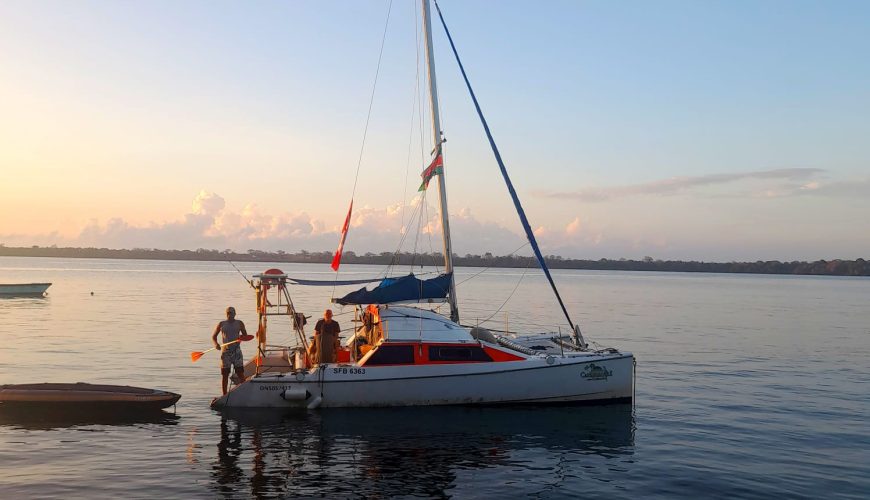
A Coastal Voyage in Uncertain Times For us, planning a cruise to somewhere here in East Africa begins shortly after we return from our last cruise. A sailing adventure is not like jumping in the car or bus. Or even buying a plane ticket. Deciding how to get somewhere upwind from your home port is also something to be considered. In a sailboat, you cannot just point in the direction that you want to go especially if the wind is coming from that direction. The best that you can hope for is probably 45 degrees either side of the wind direction and in a catamaran, 50 degrees or more. So that means we must sail back and forth to get to where we want to go thereby doubling or tripling the distance. OR… we just turn on the motor, but that sort of defeats the purpose of sailing and using only the FREE wind as our means of propulsion. An army marches on its stomach as does a sailing crew. There are no fast-food joints or kiosks to stop at sea if you are hungry. Especially when you are in a remote part of Kenya as well as 20 km from the nearest land. So, you must carry all your food with you and prepare it at sea in sometimes bouncy conditions. Think camping, but only in the middle of the ocean, where everything moves constantly including yourself. In late November 2025, we made the decision to physically sail to sail to Tanga, Tanzania’s northern most port and terminus of an oil pipeline originating in Uganda, after the 22nd. We were hoping to do it “administratively” like last year when I was in Mongolia for work.  In addition, the recent arrival of the superyacht “Salt,” several weeks earlier, had disrupted the normal flow of things in Kilifi, Kenya, where we normally cleared out. The Fearless Crew They say that you can’t tell the players without a score card, so here they are: Wednesday, November 26, 2025 On Wednesday, November 26, we started the process of the paperwork by taking a tuktuk to the nearby city of Malindi, about 45 minutes away by 3-wheeler from our homeport of Watamu, Kenya. We met with Lydia at Kenya Revenue Authority (“KRA”) Customs for a Transire—800 KES (about $6 USD).  We needed to be in Shimoni, Kenya’s southernmost port by no later than December 6.  The plan was to depart Watamu, on the Kenya’s north Indian Ocean Coast, and home of what some say are Africa’s most beautiful beaches, on Tuesday, December 2 at first light. Even though we are sailing within the East African Community (“EAC”), deckhand Manu needed to get his Temporary Permit at a cost of KES 1450 (about $11.50 USD).  Our other part-time deckhand Whitney decided at the last minute to join us, and she too had to run around to a local cybercafé to get hers. Saturday, November 29, 2025 I tried to apply online for a Tanzania Visa, but it surprisingly didn’t list the Port of Shimoni as an entry point and therefore I had to wait until I physically arrived in Tanzania. We cleaned the yacht thoroughly and got a lot of useless stuff off.  We also bought a 30 litre mtungi (Jerry can) of fuel and a few litres of 2-stroke oil. Monday, December 1, 2025 My Roman Catholic Priest, Father Stephen Ndega, and 3 nuns, all from St John’s Roman Catholic Parish here in Watamu, came to bless the boat at the end of the day. After the blessing, we all went to Ocean Sports Resort, where we moor CassandravillE during the Kaskazi (northern monsoon) season, for pizza. Sailing from Watamu to Tanga Tuesday, December 2, 2025—Departure Day The plan was to be on the catamaran by 0545. Upon arrival at Ocean Sports, I had collected some pre-ordered sandwiches for the crew. We sailed through the mlango (the channel) into the Indian Ocean before 6 AM.  The voyage had started! We spent the whole day sailing south to Mtwapa, (passing Kilifi on the way) finishing in front of Marina Seaside Restaurant in Mtwapa (Mombasa) where we took a mooring for 500 KES (about $4 USD) per night. Wednesday, December 3, 2025 Manu and I were up at 515 AM—Whitney was still asleep—in fact she slept most of the journey. Advocate and friend Victor joined us from Marina Seaside.  He brought a local Swahili breakfast for us all, which was delicious. We had a late start and were out the mlango by 7.  We had a 10–11-hour sail ahead of us. As we passed Diani, on the South Coast (i.e. south of Mombasa), Instagram friend Steffen came out in his speed boat to greet us (we met physically for the first time). Dive Instructor Ali Khan of Scuba Duka took a photo of us from his dive school on the shore. (We first met Ali several years ago coming back from Tanga when we had engine problems and needed to anchor for several days in front of Soul Breeze lodge.) We pressed on and just after sunset, we anchored for the night behind Chale Island Resort (as we usually do). After sailing around the bay and up to the village of Gazi looking for a pub, we found out that there were none.  There are no bars in this Muslim part of the Kenya Coast, so we anchored back behind the resort.  I had earlier called the Resort to ask if we could come ashore for a drink, but they only had day packages, which according to the internet cost about $180 USD per person!  A bit much to pay for a beer don’t you think! Our supper consisted of beans & frankfurters and dried toast, heated on the gas jiko. Thursday, December 4 As Victor and Whitney slept, we were sailing before the sun rose, to Shimoni, a few further miles to the south, in order to clear out of Kenya.   A friend from

Read More

A Dawn Guide to Malindi

Malindi carries a different pulse before sunrise. Long before beach vendors claim their spots and long before the heat sharpens, the town takes on a quieter rhythm. Slow, unhurried, shaped by tide, prayer, and the first stirrings of coastal life. Those who wake up early in Malindi discover a version of the town that most visitors never encounter. It is the hour when fishermen return from night journeys. When the call to prayer folds over coral stone neighborhoods, and when the Indian Ocean, still undecided between blue and silver, drifts toward shore with a calm that rarely survives past 9 a.m. Understanding the Dawn Rhythm of Malindi The day begins in layers. The first adhan. Engines from returning fishing boats. Footsteps from early walkers moving along Silversands or Casuarina before temperatures climb. Sunrise times shift each month slightly, but travellers can expect first light between 6:05 a.m. and 6:25 a.m., depending on the season. Tide changes shape the scene, too. Low tide exposes long stretches of coral platforms near Marine Park. High tide pulls the water almost to the tree line. Mornings come with obvious advantages: cooler air for long walks or photography, fewer people at Marine Park and Silversands, and more wildlife activity especially shorebirds feeding along reef sections revealed by the tide.These hours also carry cultural significance. Many locals refer to dawn as “asubuhi ya roho safi, “the hour when the spirit feels light and unburdened. It is a window of clarity that coastal residents have long embraced for fishing, walking, and prayer. Below are the key spots where this early calm is felt most clearly. 1. Silversands Beach at First Light Silversands is one of the few beaches in Malindi where the landscape noticeably transforms at dawn. Before sunrise, the sand cools beneath bare feet, and the tide often rests low enough to reveal stretches of exposed reef. The atmosphere remains largely local: fishermen sorting nets, joggers tracing the shoreline, and a few early risers watching the horizon shift from pastel grey to a muted orange. Why Silversands Works Well at Dawn Getting There From Malindi Town, tuk-tuks charge KSh 100–150 to Silversands early in the morning. Boda bodas generally cost KSh 80–120, depending on distance. What to Do Best Time to Arrive Between 5:50 a.m. and 6:10 a.m., just before the sun breaks the horizon. 2. Old Town’s Gentle Wake-Up: Chai Stalls & Coral Stone Alleys While the beach draws visitors, Old Town offers one of Malindi’s richest dawn rituals. Narrow alleys built from coral stone remain cool at sunrise, with echoes of the adhan drifting between wooden doors and carved balconies. By the time the first light touches the rooftops, small chai and breakfast stalls (Mama Nitilie’s)  begin to open. Dawn here is shaped by three elements: Where to Find Early Breakfast Several stalls near Old Market, Sheikh Darwesh Road, and near the bus stage open between 6:15 a.m. and 6:30 a.m. Typical prices: These stalls offer genuine insight into local morning routines. Workers stopping for quick bites, schoolchildren grabbing affordable breakfast, and shop owners preparing for the day. Getting There Tuk-tuks from most hotels charge KSh 100–150 to Old Town in the morning. 3. Malindi Marine Park: Sunrise Over the Reef Malindi Marine Park changes at dawn. With fewer boats, fewer vendors, and soft light brushing across the reef, it becomes one of the most meditative places in the region. The ocean looks glassy. The air carries salt, seaweed, and casuarina sap. Park Entry & Fees As of the latest KWS updates: Park hours usually begin at 6:00 a.m., though full staff presence starts slightly later. Safety Notes How to Get There Tuk-tuks charge KSh 150–250 from town, depending on the time and exact location. 4. Casuarina Road: Dawn Walk Under Whispering Trees Casuarina Road stretches from the Marine Park entrance toward hotels and residential areas, lined with tall trees that create moving shadows at sunrise. The road is wide, shaded, and typically quiet, making it one of the safest and most calming places for a dawn walk or jog. Why This Route Works for Early Walkers Traveller Notes 5. Watching Fishermen Return at the Malindi Jetty The jetty near the fish market offers one of Malindi’s most honest early-morning scenes. Boats returning from the night’s work line up to offload fish into baskets, with buyers waiting to negotiate prices. The energy remains calm but purposeful, efficient and rooted in tradition. Why the Jetty Is Worth Visiting at Dawn Most boats return between 6:00 a.m. and 7:00 a.m., though times shift with tide and moon phases. Traveler Notes 6. Early-Morning Markets: Old Market & Nearby Stalls While full markets open mid-morning, early risers can watch vendors preparing produce in the streets surrounding Old Market. This is when fresh fruits arrive, bread is delivered, and suppliers arrange vegetables in soft first light. Prices at Dawn Typical morning market prices: Buying fruit at dawn is inexpensive and provides a simple, refreshing snack before starting a longer walk. 7. Dawn Swimming & Snorkeling Conditions Malindi’s waters shift daily with tide and wind, but dawn typically offers: However, swimmers should remain cautious: Snorkeling at sunrise is best near Marine Park with a guide. Most begin tours after 8 a.m., but early enquiries can be arranged for safer, professional supervision. The calm before sunrise does not last long. By mid-morning, Malindi is busy and bright, already deep into the day. But for a short window, the town belongs to the people who work it, walk it, and pray through it.

Read More

Discovering Mombasa, Step by Step

Walking Mombasa isn’t about clocking kilometres. It’s about what the city gives you when you’re slow enough to be noticed. A quick “Mambo! Vipi?” from someone passing. A jogger’s nod. A smile that happens and is gone before you can hold it. Walking gives you what no vehicle can: the inconvenience of having to notice everything. On foot, you catch the real layers — salt in the air when the wind behaves, dust when it doesn’t, diesel from harbour-bound lorries, and the comfort of chapatis frying on roadside griddles. You also learn the practical things: which verge disappears without warning, where trucks throw grit, where the sun hits hardest. Schoolchildren in crisp uniforms grin and call out, “Habari ya walking!” Vendors shout prices. A mechanic laughs too loudly at a joke you didn’t hear. People look up, register you, and for a minute you’re part of the flow. Mombasa wakes slowly. In the earliest hours, the streets of Miritini  a mainland suburb at the city’s edge are still. By mid-morning, matatus roar past, stalls bloom with colour, and children hurry to school. For walkers, Miritini offers a rare vantage point. From here, the city opens in two directions: toward the dense, working pulse of Mombasa Island, or outward to the wide calm of the Dongo Kundu bypass. For local walkers like myself, Miritini is a practical starting point. Walking here shifts the focus from distance to awareness, allowing the city to reveal itself step by step. The Routes Route 1: Miritini to Makupa Bridge — Mombasa Island to MGR Railway StationDistance: 10–12 kmTime: 1.5–2.5 hoursCharacter: Energetic, immersive The RouteThe walk begins at the Miritini Catholic Church stage, heading toward the SGR access road before joining the old Mombasa Road. From here, the route runs straight through Mikindani, passing Doshi and continuing to Ufuta stage in Jomvu. It proceeds through Narcol and the Changamwe interchange, crosses the railway bridge near the Mitchell Cotts Container Terminal, and enters Mombasa Island via Makupa Bridge. At the roundabout, the road turns toward Kingorani and continues to the historic MGR Railway Station. What to ExpectThis is Mombasa’s working core. Shutters go up. Matatu crews call out destinations like it’s a performance. Port trucks keep coming, steady and loud. Schoolchildren cut through gaps you didn’t even know were there. It’s crowded and noisy, and that’s the point , it’s the city doing its day. Food & Chai Stops Around Mikindani junction, the route passes Mikindani Corner Café not fancy, but reliable, with a place to sit and collect yourself. Chai keeps moving, mandazi comes fresh, and the crowd is mostly commuters pausing before they get pulled back into the road. It feels normal in the best way. Further on, through Kwa Jomvu and Changamwe, the Swahili street kitchens take over. Viazi karai and bhajia come straight from smoking pans, and cold sodas get pulled from roadside coolers. It’s busy, smoky, and fast — people eat and move. It’s a good halfway pause before the heavier industrial stretch. Timing & SafetyBest walked between 5:00–9:30 AM or 4:30–6:00 PM. Traffic moves quickly. Walk deliberately, keep valuables discreet, and give the road your full attention. Getting BackFrom MGR Railway Station, take a Kenya Railways commuter train toward the SGR terminus or a matatu from Mwembe Tayari back to Miritini. Route 2 Miritini to Dongo Kundu Bypass — Mwache BridgeDistance: 5–6 kmTime: 1–1.5 hoursCharacter: Calm, expansive The RouteFrom Miritini, walk toward Yomoke Hotel along the Mombasa–Nairobi highway, then turn toward the Compact Freight Station to join the Dongo Kundu bypass. The road opens wide as it curves toward Mwache Bridge, with the Indian Ocean stretching alongside. What to ExpectSpace replaces congestion. The soundtrack thins to wind, waves, and footsteps. Fishermen pass with nets over their shoulders. Goatherds guide their animals along the verge. Cyclists and construction crews move steadily through the morning light. The air is cooler, the horizon wider. Food & Chai Stops Near Mwache Bridge, a cluster of small kiosks serves strong chai, fresh chapati, and eggs cooked to order. Nothing decorative, nothing staged — but after a long exposed stretch, it hits exactly right. Close by is Mwache Eco Restaurant, a recently opened floating, community-run space positioned for clear sunrise and sunset views. The menu is basic and prices are higher than nearby kiosks, but the setting is the draw. Around the SGR area, early vendors sell bananas, boiled eggs, peanuts, and bottled water—quick provisions aimed at walkers, cyclists, and commuters moving through before the heat sets in. Timing & SafetyWalk between 6:00–8:00 AM. Keep left, stay visible, avoid headphones. The walk ends at the new Mwache Bridge, where motorbikes are plentiful for the return. Walking these routes teaches you Mombasa’s everyday signals. Morning greetings come easily. Walkers and cyclists acknowledge each other with a nod. And the smells change as you move — chapati near the food spots, dust in the dry sections, salt air when the wind swings right, diesel whenever the port traffic takes over. Here, walking becomes less about exercise than about presence. You’re not passing through; you’re participating.  Do / avoid Do: start early; carry water and small cash for chai; wear shoes that forgive uneven ground; greet people — sasa or habari goes far.Avoid: midday sun; both earphones; isolated shortcuts. Whether you choose the hard-working road toward the island or the open calm of the bypass, walking Mombasa changes how the city meets you. A smile from a stranger. Prices shouted across a stall. Laughter from a workshop doorway. The city moving at the pace of your own steps. Walk different routes on different days. Stop for chai. Taste the street food. Let distance matter less than what you notice along the way.

Read More

The Quiet Work of Diani Turtle Watch

Before sunrise, the beach tells the truth. This is what the monitors see, and what visitors can do that actually helps. At 5:30 a.m. the beach is quiet in a way most visitors never catch. The tide is only just starting to pull back. The sand still shows last night’s mess. A dragged flip flop line. A bottle cap half buried. Yesterday’s footprints already softening at the edges. A few early walkers pass, but the people doing the most important work are looking down, scanning for tracks that did not come from humans. A turtle’s path is easy to miss if you do not know what you are looking for. A wide sweep from the water. Sand pushed up where flippers dug in. A rough patch where she paused long enough to try. Sometimes it is a successful nest. Sometimes she turns back without laying. Sometimes the nest is in the wrong place and will not survive unless somebody gets there early. That is where Diani Turtle Watch (DTW) comes in. DTW is a programme under Local Ocean Conservation, a Kenyan nonprofit organisation that began turtle conservation work in Watamu in 1997, and later established Diani Turtle Watch in 2012 to protect turtles along the Diani coastline. The programme operates from the Marine Education Centre at The Nomad Beach Resort. This is what conservation looks like on a busy tourist beach. Long walks. Early mornings. Difficult calls. A community learning how to share a coastline with creatures that have been returning here for generations. Quick facts (verified) Who: Diani Turtle Watch (DTW), under Local Ocean ConservationBase: Marine Education Centre at The Nomad Beach ResortSupport option: Adopt a NestAdopt a Nest contact: +254 758 961 322 In this guide Why sea turtles matter in Diani To most people, sea turtles are simply beautiful. Calm, ancient looking, harmless. But they also do real work in the ocean. Green turtles graze seagrass meadows. Those meadows are underwater nurseries for fish and important carbon sinks. When seagrass grows unchecked, it can start crowding out the balance other marine life depends on. Hawksbill turtles feed on sponges on coral reefs. That matters because sponges can spread aggressively, and without hawksbills they can overwhelm coral growth. When turtles thrive, reef and seagrass systems tend to do better too. That affects fish populations, the long term health of the coast, and the tourism that depends on a living ocean. Why this matters, in plain terms The Diani Turtle Watch Centre DTW’s hub sits along the South Coast at the Marine Centre at Nomad Beach Resort. The centre operates as a working base, part education space, part coordination point, part research and reporting hub. It is not polished in a museum way. It feels like a place where people actually work. What to expect: Once inside, visitors learn the basics that most beach conversations skip: This centre is where visitors become informed supporters, and where local beach operators, students, and community members connect to the work. Nesting seasons and turtle species in Diani DTW monitors approximately 30 km of coastline, from Kongo River to Funzi Island. Beaches differ. Some are busy and bright. Others, like Chale and Funzi, can be quiet enough that nests are sometimes left in place with no relocation. Three turtle species are recorded along the Diani coast: Nesting activity has continued consistently across recent seasons, including 2024, 2025, and 2026, as part of DTW’s ongoing monitoring and protection work along the South Coast. A single nest can hold 80 to 200 eggs. The eggs are buried like a sealed container under the sand and incubate for roughly 60 days. One detail people do not expect is that sand temperature influences sex. Cooler sands tend to produce more males. Warmer sands more females. That means climate and beach conditions do not just affect survival, they shape future populations. In calmer places like Chale and Funzi, some nests are left exactly where they are, with no relocation and no intervention, because conditions are still quiet enough to keep predators and people away. Inside the morning patrols DTW monitors patrol early because the beach tells the truth before it gets walked over. They look for: Their work includes: During peak periods, patrols can extend into the night. Slow, careful walks under starlight to protect nesting mothers and keep interference low. DTW also uses satellite tagging to track mothers across the region. Journeys can stretch between Kenya, Tanzania, Mozambique, and the Seychelles, before they return to lay again. The main threats facing sea turtles in Diani DTW deals with beauty and danger in the same frame. The main threats include: Some threats are dramatic. Most are slow and ordinary. That is what makes them dangerous. Adopt a Nest DTW runs a programme that gives people a simple, direct way to support the work: Adopt a Nest. Adoption options include: • KES 3,500 for Kenyan residents, supporting on the ground conservation work in Diani• USD 35 for non residents and international supporters, via Local Ocean Conservation Inclusions may vary depending on adoption method, and are kept intentionally broad. That money supports: • patrol equipment• monitors’ allowances• rescue operations• community education• nest relocation materials Adoption contact: +254 758 961 322 How visitors can help without getting in the way You do not need to be a scientist to support turtles. The most helpful behaviour is usually the simplest: Tourism and conservation do not have to be enemies here. In Diani, they can support each other, but only if visitors treat the beach like a living place, not just a backdrop. As sunset comes on, Diani slips back into its beach mood. Music from the bars. People rinsing off salt. The last kitesurfers packing up. It is easy to believe the ocean takes care of itself. But the next morning, monitors are back on the sand, checking tracks before the day erases them. Most visitors never see that part. If you do nothing else, keep your lights low at night

Read More

Madaraka Express Adds Extra Festive Season Train

Kenya Railways has introduced an additional Madaraka Express service for the busy holiday period, offering travellers more seating, more flexibility, and an easier journey along one of the country’s most beautiful rail routes. The extra train will operate from 8 December 2025 to 5 January 2026 and is expected to ease the heavy seasonal demand on the Nairobi to Mombasa line. Alongside the new schedule, the railway operator has confirmed updated fares for the popular service. These fares give passengers a clearer understanding of what each class offers and what to expect when planning their trip to the Coast. Updated Fares for the Nairobi to Mombasa Route Premium Class One way costs KSh 12,000Round trip costs KSh 20,000 This class offers the most space and a quieter environment and is ideal for travellers who want a relaxed long distance journey. First Class Outbound costs KSh 4,500Return costs KSh 4,500Round trip costs KSh 9,000 This is the preferred option for many holidaymakers who want comfort and value in equal measure. Economy Class Outbound costs KSh 1,500Return costs KSh 1,500Round trip costs KSh 3,000 This is the most affordable option and remains the most widely used by travellers heading to and from the Coast. Extra Festive Season Train Schedule Nairobi to MombasaDeparture from Nairobi is at 9.40 amArrival in Mombasa is at 3.35 pm Mombasa to NairobiDeparture from Mombasa is at 4.30 pmArrival in Nairobi is at 10.55 pm The additional train is expected to reduce congestion and make travel during the December peak more pleasant for families, groups, and visitors heading to the coast for the holidays. A Smooth Arrival into Mombasa Travellers arriving at the Miritini SGR Terminus can continue directly into Mombasa using the commuter rail service. It connects Miritini, Changamwe West, Changamwe East, Shimanzi, Mazeras, and the Mombasa Central Business District. The journey is 13.8 kilometres and costs only KSh 50 per trip, which makes it an efficient way to reach the city centre, nearby beaches, and coastal hotels. How to Book Your Seat Kenya Railways encourages passengers to book early since festive season demand is consistently high. Tickets can be reserved through the metickets website, by dialling *639#, or at any SGR station across the country.

Read More

Top 10 Places to Watch Fireworks in Diani

Top Places to Watch Fireworks in Diani for New Year’s Eve 2023 It’s that time of the year again – a time to party, reflect, set new goals, and above all, celebrate. New Year’s Eve is an exciting event, and there are so many things going on in Diani to help you bid farewell to the year in style. While staying indoors and watching the festivities on your TV is an option, why not step out and make the most of the celebrations? If you need fresh ideas or are unsure about the happenings in Diani, head over to our events page and discover something that excites you. From lively parties to elegant gatherings, there’s something for everyone to welcome the new year with enthusiasm. And of course, what’s New Year’s Eve without a dazzling display of fireworks? If you’re looking for the best spots to witness the sky light up, here’s a curated list of places in Diani that will be hosting spectacular fireworks displays. 1. Jacaranda Beach Hotel Situated about 5 kilometres from Carrefour Junction en route to Kongo Beach, Jacaranda Beach Hotel is a popular spot for witnessing fireworks. An admission fee of 2000 applies for walk-ins, redeemable for a meal or drinks. 2. Neptune Beach Hotels Located in Galu (Mwisho Wa Lami), approximately 8 kilometres from Carrefour Junction along Diani Beach Road, Neptune Beach Hotels boasts an expansive beach providing a perfect vantage point for New Year’s fireworks. Prior reservations are recommended for a seamless experience. 3. Swahili Beach Resort Around 500 meters from Carrefour Junction along Diani Beach Road, Swahili Beach Resort is recognized for its cleanliness and contemporary facilities. The resort’s location offers ideal vantage points for viewing fireworks with the illuminated ocean as a stunning backdrop. 4. Diamonds Leisure Lodge For those with a higher budget, Diamonds Leisure Lodge in Diani hosts a New Year’s Eve gala dinner featuring fireworks, dance shows, beach parties, live band music, and dinner. Festivities start at 7:00 PM and continue late into the night. 5. Diani Reef Beach Resort & Spa Diani Reef offers a 5-star experience with fireworks and hosts the 2nd Passport Experience (PXP Festival), a multicultural music event from December 30th to January 1st. Tickets for this vibrant festival are available on their website. 6. Safari Beach Hotel Conveniently located approximately 5-6 kilometres from Carrefour junction along Diani Beach Road, Safari Beach Hotel not only hosts a spectacular fireworks show but also the Diani Luxe Experience, a three-day (from the 29th – 31st) event with diverse entertainment activities. Tickets for this grand event are available for purchase here. Pinewood Beach Resort. You can celebrate New Year’s at Pinewood Beach Resort with a spectacular Gala Dinner, a stunning fireworks display, live entertainment by Lenny’s Band, DJs, and a beachside Bonfire.  Other hotels hosting fireworks events include Baobab Beach Hotel and Eleven Pearl Boutique Hotel.  For those on a budget, a walk down the nearby beach guarantees a view of the fireworks. For those on the North Coast, don’t miss out – check out our North Coast guide on the top places to watch fireworks in Mombasa here

Read More

Top Hospitals in Mombasa County

Top Hospitals in Mombasa County: A Comprehensive Overview of Healthcare facilities in Mombasa County, Kenya.

Read More

Top 10 Family-Friendly Resorts on Kenya’s Coast

A family vacation is a delightful occasion, yet finding the perfect equilibrium between parents’ relaxation and children’s entertainment can be quite challenging. Fortunately, Kenya’s coastal resorts have risen to this challenge, creating an atmosphere that seamlessly blends luxury with family-friendly amenities, ensuring a stress-free and delightful adventure for the entire clan. Through meticulous exploration of the region, we bring you ten top-tier beach resorts along Kenya’s coastline, each renowned for establishing a sanctuary where both parents and children can craft enduring memories. From thrilling Aqua Parks to dedicated Kids’ Clubs, these resorts offer thoughtfully curated experiences that go beyond mere entertainment. They prioritize not only the joy but also the well-being of your little ones, ensuring a memorable family vacation.  1. PrideInn Paradise Beach Resort ( Shanzu, Kilfi county) PrideInn Paradise is known for its large safari-themed aqua park, with multiple pools designed for different age groups. The Marinos Kids Club caters to children aged 5–12, offering supervised activities that keep them occupied while parents step away. Kids’ Pricing: Infants (0-4 years) stay free, and children (5-11 years) enjoy complimentary stays. 2. Sarova Whitesands Beach Resort & Spa ( Bamburi, Mombasa county) Sarova Whitesands Beach Resort & Spa boasts five inviting swimming pools, including a dedicated children’s pool with a slide. The Ozone Kids Club offers a diverse range of planned activities, fostering an environment where both children and parents can unwind and maximize their time together. Kids’ Pricing: Children aged 0-5 stay for free, while extra bed requests for children aged 6-12 incur a fee. 3. Leopard Beach Resort & Spa ( Diani, Kwale county) Leopard Beach Resort & Spa offers personalized check-ins for young guests and the Little Leopards Kids Club, ensuring children engage in supervised soft play, craftwork, camel rides, and beach treasure hunts. A 50% discount for children aged 4-13 enhances the family-friendly atmosphere. Kids’ Pricing: Children aged 4-13 receive a 50% discount when sharing with parents, while infants enjoy free stays. 4. Turtle Bay Beach Club ( Watamu, Kilfi county) At Turtle Bay Beach Club, the supervised Kid’s Club operates daily with activities like swimming competitions, arts and crafts, and engaging videos. The Mega Points Rewards System allows guests to earn points for various prizes for both kids and adults. Kids’ Pricing: Children aged 0-3 stay free, while extra bed requests for children aged 4-11 incur varying fees. 5. Baobab Beach Resort & Spa ( Diani, Kwale county) Baobab Beach Resort & Spa is committed to family bonding with Toto’s Corner at Rafiki Kids Club, offering arts, and crafts, beach adventures, and dancing. Child-friendly dining, early dinners, and a specially designed children’s paddling pool enhance the family experience. Kids’ Pricing: Children aged 0-2 stay free, while children aged 3-11 enjoy discounts. 6. The One at Watamu Bay ( Watamu, Kilfi county) The One at Watamu Bay features a vibrant Kids Club with an indoor playroom and an exclusive swimming area designed solely for children, operating from 09:00 Hrs to 21:00 Hrs. The Kids Club, a key component of The One’s offerings, strives to provide children with enjoyable and enriching activities. Guided by qualified staff, the club offers engaging experiences such as arts and crafts, beach adventures, painting, dancing, and more, creating a dedicated space for young ones to explore new skills, create souvenirs, and build lasting friendships. 7. Diani Sea Lodge ( Diani, Kwale county) Diani Sea Lodge celebrates children with engaging programs, including beach strolls, creative sessions turning shells into art, and organized games like ping pong or memory. The resort provides a perfect blend of relaxation and family-friendly activities. Kids’ Pricing: Children aged 0-2 stay free, while children aged 3-11 receive discounts. 8. Southern Palms Beach Resort ( Diani, Kwale county) Southern Palms Beach Resort features a dedicated Kids’ Club for youngsters aged 4 to 12, along with babysitting and child services at an additional charge for parents’ flexibility. The resort goes the extra mile to ensure parents have the flexibility to enjoy their time while ensuring the well-being of their children. 9. Diani Reef Beach Resort & Spa ( Diani, Kwale county) Diani Reef Beach Resort & Spa offers an exceptional family-friendly experience with the Coco Jumbo Kids Club. The club’s indoor and outdoor spaces filled with toys, games, and a thoughtfully designed playground create a serene environment for family relaxation. Kids’ Pricing: Children below 5 stay free, while those aged 6-11 are charged 75% of the double adult rate for accommodation when sharing with parents 10. Sultan Palace Resort ( Kikambala , Kilfi county) Sultan Palace Resort offers a distinctive beach apartment experience in Kikambala. Choose from a range of accommodations, including Villas, Townhouses, and Apartments with one to four bedrooms. The resort features a kids’ waterpark, a swimming pool, a fitness lap pool, and a dedicated water sports pool. While direct childcare services may not be available at Sultan Palace Resort, the vibrant kids’ waterpark ensures continuous entertainment for children throughout the day.

Read More
error: Content is protected !!