Mombasa is not a place you understand from a hotel balcony alone. The city spreads across a historic island and several mainland neighbourhoods, combining a working port, centuries of coastal history, lively markets, family attractions and warm Indian Ocean beaches. The best visit mixes these different sides of the city instead of treating Mombasa only as a stop on the way to a resort.
For a first visit, begin with Fort Jesus and Old Town, spend time at the waterfront or in the city centre, then choose a beach, marine, nature or family experience. Add at least one proper Swahili meal and leave room for traffic, tides and the slower rhythm of the coast. This guide explains the best things to do in Mombasa, where each activity fits, what it may cost and how to plan without rushing.
Mombasa at a glance
| Best first-time experience | Fort Jesus, Old Town and a local lunch on Mombasa Island |
| Best beach choices | Nyali for convenience; Jomo Kenyatta Public Beach for energy; Bamburi for a longer beach day |
| Best family options | Haller Park, Nguuni Nature Sanctuary, Bamburi Forest Trails or Wild Waters |
| How long to stay | Two full days for the essentials; three days for a less rushed city-and-beach visit |
| Getting around | Tuk-tuks for short trips, matatus for budget travel and ride-hailing or a trusted driver for longer routes |
| Useful planning rule | Plan by area and check the tide before booking a boat or setting a beach schedule |
The best things to do in Mombasa
1. Explore Fort Jesus Museum
Fort Jesus is Mombasa’s essential historical visit. The Portuguese built the fort in 1593 on a coral ridge overlooking the old harbour, and UNESCO inscribed it as a World Heritage Site in 2011. Its walls, courtyards, museum displays and sea views introduce the long contest for control of this strategic port and the cultural exchanges that shaped the coast.
Allow about 90 minutes if you are visiting independently, or two hours with a guide. A good guide helps connect the building to the wider story of Old Town and can explain details that are easy to miss. Wear comfortable shoes because some surfaces are uneven and exposed to the sun.
Current visitor information: National Museums of Kenya lists opening hours as 08:30–17:30 every day, including public holidays. From 7 May 2026, Fort Jesus admission is KSh 550 for Kenyan and East African adult citizens and KSh 300 for children. The official rates for residents and visitors from the rest of Africa are USD 9 for adults and USD 6 for children; visitors from outside Africa pay USD 17 and USD 8. Bring identification and confirm the rate through the National Museums of Kenya eCitizen portal before travelling, because admission policies can change.
Beside the fort, the Mombasa Butterfly House is a live exhibit where visitors can learn about tropical butterflies and coastal biodiversity; a combined ticket makes it an easy extension to the museum visit. National Museums of Kenya also says a sound-and-light show is organised weekly at Fort Jesus, but the day and time may change, so confirm the current schedule before planning an evening visit.
2. Walk through Mombasa Old Town
Old Town begins beside Fort Jesus and is best explored slowly. Its narrow streets reveal carved doors, balconies, mosques, shops and homes shaped by Swahili, Arab, Indian and European influences. The interest is not one single monument but the neighbourhood as a living place. Look out for Leven House and its steps as you walk through the area, but do not assume that the interior will be open to visitors on the day.
A local walking guide is worthwhile on a first visit, especially if you want architectural context or help finding craft shops and small food stops. Exploring Mombasa lists bookable city walks and heritage experiences on its Experiences page. Dress respectfully, particularly near places of worship, and ask before photographing residents, shopkeepers, private doorways or interiors. Old Town is most comfortable in the morning, before the heat becomes heavy.
Plan a guided visit: Mombasa experiences and city walks
3. See the Tusks and browse the city centre
The aluminium tusks crossing Moi Avenue—often called Pembe za Ndovu or Mapembeni—are Mombasa’s best-known city landmark. They form a quick, free stop rather than a full attraction, so combine them with Uhuru Gardens, the surrounding streets and a visit to Mackinnon Market, commonly called Marikiti.
Marikiti is a working market, not a staged visitor site. Come in the morning for the most activity and look for spices, fruit, vegetables and coastal snacks such as achari and mabuyu. Keep your phone and wallet secure in crowded lanes, ask before taking photographs and do not block traders or customers while browsing. A guide can make the city-centre walk easier if you are unfamiliar with the layout.
4. Spend late afternoon at Mama Ngina Waterfront
Mama Ngina Waterfront is a broad public seafront on Mombasa Island with views towards the Likoni Channel. It is an easy place for a walk, sea air and a snack after sightseeing in town. The atmosphere is usually best in the cooler late afternoon and early evening, when families and groups begin to gather.
The grounds also host county and national events, so access and traffic can change without much notice. Check the Exploring Mombasa events calendar before you go. Treat the channel and port approaches as sensitive working areas: follow signs and security instructions, and avoid photographing gates, screening points or restricted infrastructure.
Check what is happening: Mombasa events and festivals
5. Take a glass-bottom boat or snorkel in the marine park
Mombasa Marine National Park protects coral gardens and marine life off the north-coast beaches. Glass-bottom boats and snorkelling trips commonly leave from the Bamburi and Jomo Kenyatta Public Beach area. A glass-bottom boat is the easier choice for families or non-swimmers; snorkelling gives a closer look when conditions are suitable.
Ask the operator exactly what the quote includes. The Kenya Wildlife Service conservation fee, boat ride, equipment, guide and any transfer may be priced separately. Use an established operator, insist on a properly fitting life jacket and do not board if the weather, boat condition or safety briefing makes you uncomfortable. Check the tide before setting your time: Mombasa’s shallow reef changes dramatically between low and high tide, and the best swimming or snorkelling window is not always in the morning.
The protected area normally operates during daylight hours; Kenya Wildlife Service lists park gates from 06:00 to 18:00. Check current fees on KWS Pay or eCitizen shortly before your visit. Do not stand on coral, collect shells from protected areas, feed wildlife or leave plastic behind.
6. Choose the right Mombasa beach
Mombasa’s north coast has several beaches, but they do not all feel the same. Choose according to your location, the tide and the kind of day you want rather than trying to visit every beach.
Nyali Beach is closest to the island and convenient for visitors staying in Nyali. Some stretches feel quiet, but public access is not always obvious, so confirm the nearest route before leaving.
Jomo Kenyatta Public Beach, widely known as Pirates, is the most visibly public and energetic option. It can be very busy on weekends and public holidays and is a common departure point for boat trips.
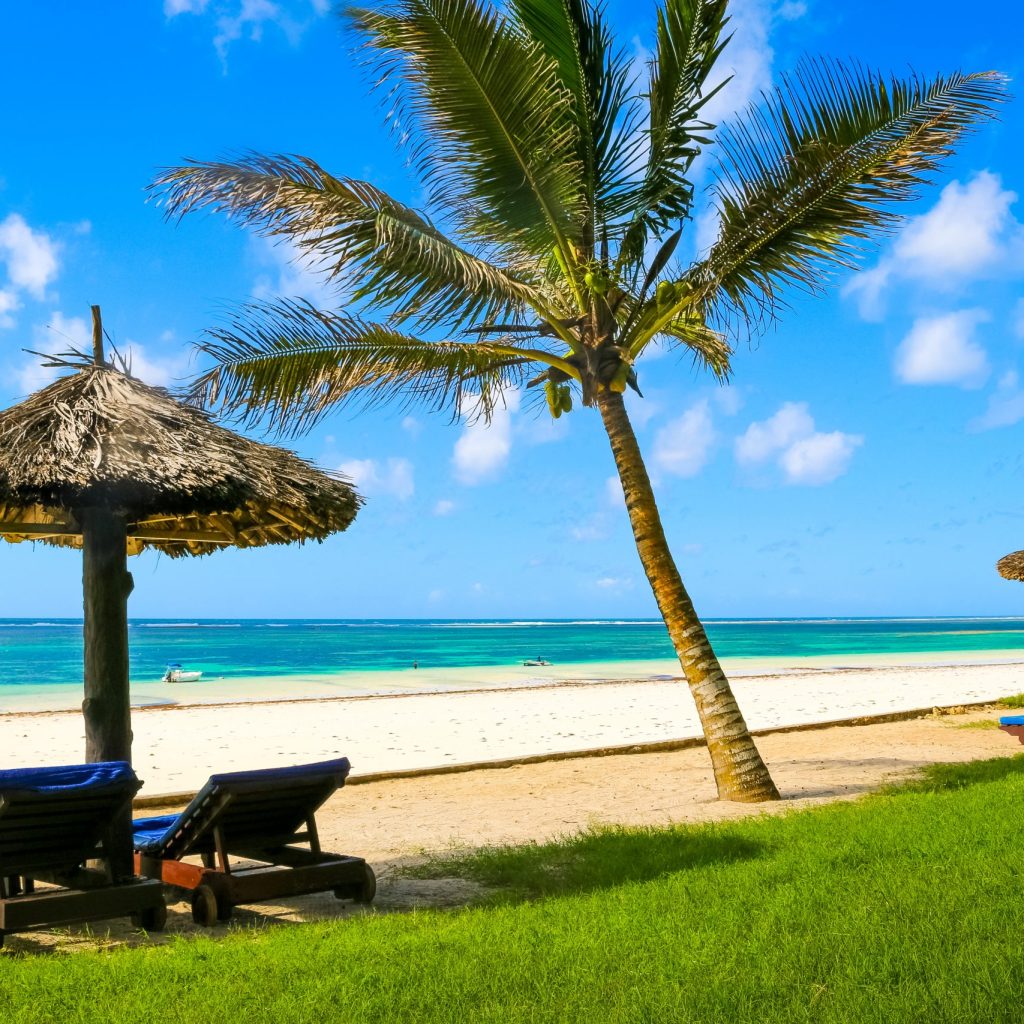
Bamburi Beach suits a longer walk, a hotel day pass or a beach-and-restaurant day. Conditions vary sharply with the tide; at low tide the water may retreat a long way across the reef flat.
Shanzu lies farther north and has a mix of sandy sections, rocky coves and resort frontage. Check the access point and return transport in advance if you are not staying nearby.
Carry water, sun protection and secure footwear for exposed reef or sea-urchin areas. Ask locally about currents and safe swimming spots, particularly after storms. Lifeguard coverage and facilities vary, and an attractive empty stretch is not automatically the safest place to swim. Agree prices before accepting camel rides, boat trips, photographs, hair braiding or other beach services.
Read the local beach guide: Bamburi Beach
7. Visit Haller Park or Bamburi Forest Trails
Haller Park is one of Mombasa’s strongest family and nature attractions. Bamburi transformed a former limestone quarry into a forested ecosystem with ponds, botanical areas, reptiles and rescued animals. Visitors can walk through the restored landscape and may see giraffes, tortoises, crocodiles, monkeys, waterbuck and other animals managed within the park.
The official Bamburi Group price table checked in August 2026 lists Haller Park entry at KSh 900 for a Kenyan adult and KSh 500 for a child; KSh 1,000 and KSh 700 for East African residents; and KSh 2,400 and KSh 1,200 for non-East African residents. Adults should carry an ID or passport. Animal feeding and activity times can change, so confirm the day’s programme directly before travelling instead of relying on an old online timetable.
Bamburi Forest Trails is a separate, quieter option for walking, birdlife and the reclaimed quarry landscape. The same official page lists lower Forest Trails fees, effective 19 March 2026: Kenyan citizens KSh 450 per adult and KSh 250 per child; East African residents KSh 500 and KSh 300; non-East African residents KSh 900 and KSh 500. Be clear which entrance and experience you want when arranging transport.
8. Watch wildlife at Nguuni Nature Sanctuary
Nguuni Nature Sanctuary, off Kiembeni Road in the Nguu Tatu Hills, offers a quieter nature experience within Mombasa. Visitors can arrange nature walks and birdwatching, or spend time at the picnic areas while looking for giraffes, oryx, waterbuck, ostriches and other wildlife.
Contact the sanctuary before travelling, especially for bird walks, camping, events or a sundowner. Bring suitable walking shoes, sun protection, insect repellent, water and your own picnic food because there is no restaurant on site. Treat the animals as wildlife and follow the guide’s instructions about distance.
9. Support artisans at Bombolulu Workshops
Bombolulu Workshops and Cultural Centre is associated with the Association for the Physically Disabled of Kenya and supports artisans with disabilities. A visit may include craft workshops, a showroom and cultural displays, depending on the programme operating that day. It is a useful stop for locally made jewellery, textiles, woodwork and other gifts, and buying directly helps support the work.
Plan this as a weekday visit and contact the centre before travelling, because workshop hours, tours and performances may not run every day. If anyone in your group has mobility or sensory access needs, ask the centre what is currently available rather than assuming every part of the site is accessible.
10. Add one family activity
If you are travelling with children or teenagers, choose one dedicated activity rather than packing several into the same afternoon. Wild Waters in Nyali operates as a large water park with slides, pools and a lazy river. Its current published schedule is generally Tuesday to Sunday from 10:00 to 18:00, with Monday closed, but opening days, ride availability, height restrictions and ticket offers can change. Check the official website on the day you plan to visit.
Mombasa Go-Kart and Adventure Park is farther north near Shanzu on the Mombasa–Malindi Road. Confirm opening hours, minimum ages or heights, session prices and transport before setting out. Either attraction can take half a day once traffic, queues and meals are included.
For another family outing, Mamba Village in Nyali combines a crocodile farm with gardens, while golfers can enquire about visitor tee times at Mombasa Golf Club or Nyali Golf & Country Club; confirm current opening arrangements, fees and booking requirements directly before travelling.
11. Eat the coast, not only hotel food
Mombasa’s food is one of the clearest ways to understand the city. Start with a Swahili breakfast of mahamri and mbaazi, try viazi karai or bhajia as a snack, and look for biryani, pilau, coconut-based curries, grilled fish or samaki wa kupaka for a larger meal. Tamarind, mango, chilli and coconut appear in many local flavours, while achari and mabuyu make easy market snacks.
Choose busy food places with good turnover, order seafood where prices are displayed or agreed in advance, and ask whether the quoted amount is per portion or by weight. If you have allergies or dietary restrictions, explain them clearly—ingredients such as coconut, groundnuts, dairy and seafood may not be obvious from the name of a dish. Use bottled or properly treated water if you are unsure of the supply.
Find current options: Where to eat on Kenya’s coast
12. Check the city’s events and evening scene
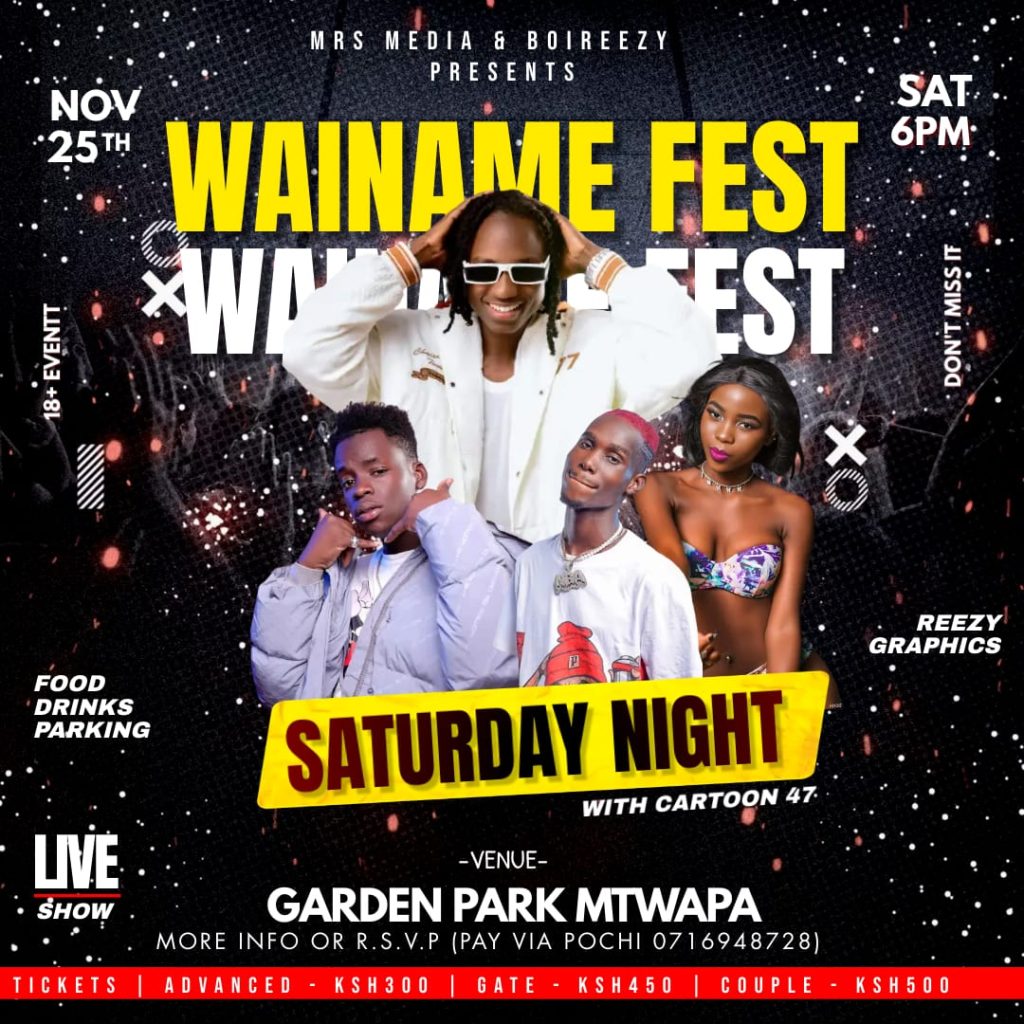
Mombasa’s evenings change from week to week. Live music, comedy, food events, beach gatherings, sports screenings and cultural programmes are more useful recommendations than a fixed list of clubs that may quickly become outdated. Check current listings, recent social posts and the venue’s own page before travelling.
For a relaxed night, Nyali and Bamburi offer the widest choice of restaurants, lounges and beach venues. On Mombasa Island, plan your return transport before staying late. Use a ride-hailing app, a known taxi or a driver recommended by your accommodation, and avoid walking long, quiet stretches after dark with your phone visible.
13. Use the Likoni Ferry when your route actually requires it
The Likoni Ferry is an essential commuter crossing between Mombasa Island and Likoni, and the main pedestrian route towards Ukunda, Diani and the wider South Coast. It is not necessary for north-coast beaches such as Nyali, Bamburi or Shanzu. Pedestrians cross free, while vehicles pay separately. The water crossing takes only a few minutes, but queues, security checks and boarding can add much more time.
If you cross on foot, keep your bag in front of you, follow the side pedestrian lanes and let the first rush pass if you are uncomfortable in a dense crowd. Avoid photographing the gates, security areas or boarding points. The ramps become steeper with the tide and slippery in rain, which matters for travellers with heavy luggage, children or limited mobility. Private vehicles heading to the South Coast may use the Dongo Kundu Bypass to avoid ferry congestion.
Read before crossing: A Pedestrian’s Guide to the Likoni Ferry
Understanding Mombasa’s main areas
Many disappointing itineraries come from treating Mombasa as a compact beach town. It is a spread-out city with bridges, ferry approaches and traffic bottlenecks. Group activities by area so that you spend more time exploring and less time moving.
| Mombasa Island | Fort Jesus, Old Town, the Tusks, Marikiti, the CBD and Mama Ngina Waterfront. Best for heritage, city walks and business travel. |
| Nyali | Across Nyali Bridge on the north mainland. Convenient for beaches, restaurants, shopping, Wild Waters and a mixed city-and-coast stay. |
| Bamburi and Shanzu | Farther north along the Mombasa–Malindi Road. Best for resort stays, public beach time, Nguuni Nature Sanctuary, Haller Park, Forest Trails and go-karting. |
| Changamwe and Miritini | Useful for Moi International Airport and the SGR terminus. Practical for transit, but not the best base for most sightseeing. |
| Likoni | The mainland gateway to the South Coast. Use it when crossing by ferry or travelling towards Shelly Beach, Ukunda, Diani or Kwale. |
| Outside Mombasa County | Diani is in Kwale County and Mtwapa is in Kilifi County. Both are common add-ons, but they require extra travel time. |
Getting around Mombasa
Distances on a map can be misleading. Nyali Bridge, the Mombasa–Malindi Road, central roundabouts and ferry approaches can slow down at peak periods. Leave a buffer before timed tickets, trains, flights or boat departures, and avoid placing activities on opposite sides of the city in the same short window.
Tuk-tuks are practical for short trips on the island and within individual neighbourhoods. Agree the fare before you move, or ask your accommodation what a normal range should be.
Matatus are the cheapest way to travel on common routes. Confirm the destination before boarding, carry small notes or coins, and keep valuables secure when the vehicle is crowded.
Ride-hailing services are useful between the airport, SGR, island and north coast. Check the vehicle registration and driver in the app before entering, and use a well-lit pickup point.
Boda bodas can bypass traffic but carry greater road risk. Use a helmet, avoid riding in heavy rain or late at night, and do not choose one only because you are late.
Walking works well inside Old Town and for short city-centre routes in daylight. Heat, uneven paving, traffic and limited crossings make it unsuitable as the only way to see the wider city.
Getting to Mombasa
By SGR train
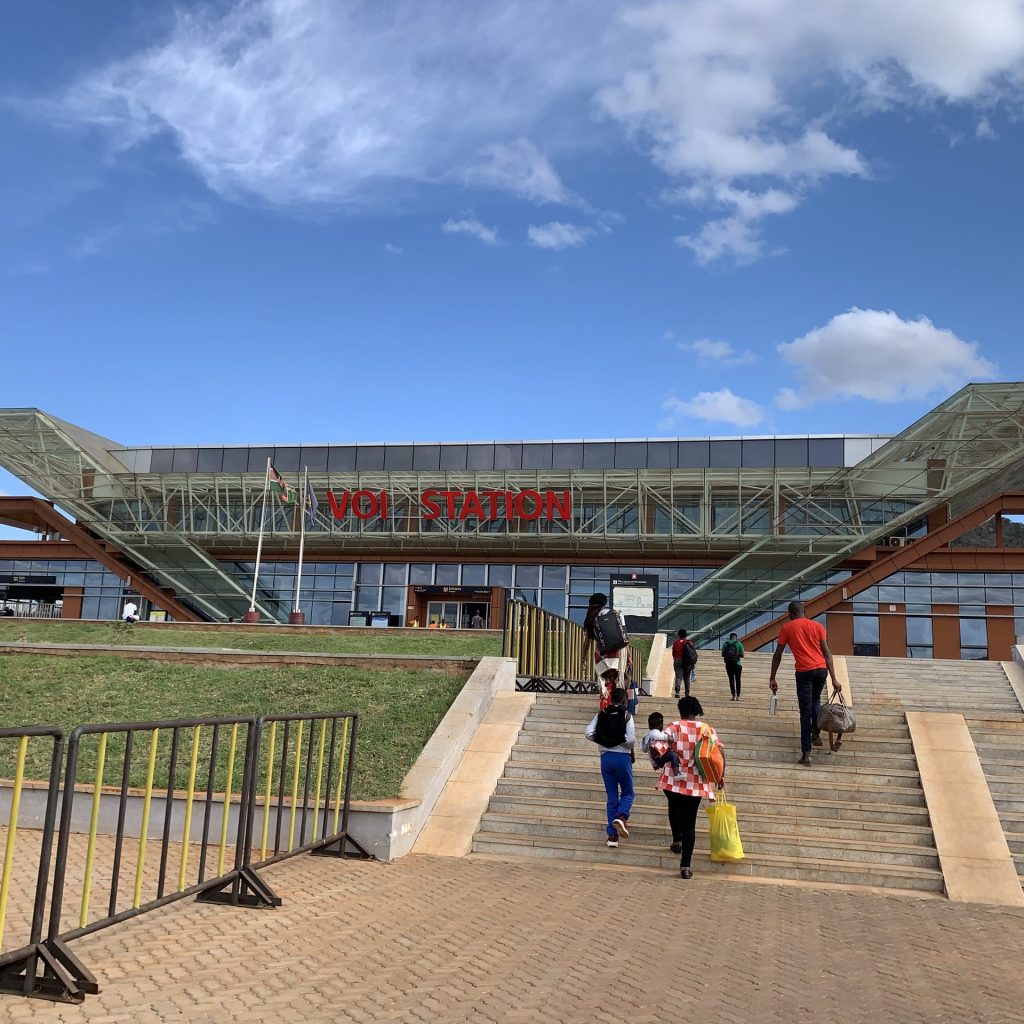
Madaraka Express trains arrive at Mombasa Terminus in Miritini, well outside the city centre and north-coast hotel areas. Book through the official Kenya Railways ticketing site and verify the current departure time rather than relying on an old screenshot. Arrange the last part of the journey before arrival, especially at night or with large luggage. Kenya Railways lists 0709 388 887 for Madaraka Express passenger enquiries.
Official booking: Madaraka Express
By air
Moi International Airport uses the code MBA and sits in the Port Reitz area. Taxis and app-based rides serve the airport. Confirm your destination carefully: a fare to Mombasa Island, Nyali, Bamburi or Diani involves very different distances and routes. If continuing to the South Coast by private vehicle, ask whether the driver plans to use the Likoni Ferry or Dongo Kundu Bypass and whether any toll or waiting charge is included.
By road
Long-distance buses and shuttles arrive at different offices and stages around the city rather than one universal terminal. Ask for the exact drop-off point before departure and arrange onward transport from that location. If driving, avoid planning a tight connection across the island or Nyali Bridge during commuter hours.
The best time to visit Mombasa
Mombasa is warm and humid throughout the year. July to October is generally cooler and drier, while January to March is hotter and often drier. The long-rains period commonly affects April to June, and shorter rains can occur from October into December, but coastal weather varies and heavy showers may fall outside the expected season.
Do not plan only by the month. Check the Kenya Meteorological Department forecast before travel and check the tide for beach or marine activities. A cloudy morning can still produce strong ultraviolet exposure, so carry sunscreen, a hat and drinking water. A light rain layer and a waterproof pouch for documents and electronics are useful year-round.
Where to stay for different kinds of trip
Choose Nyali for the easiest balance of city access, beach time, restaurants and family attractions. It suits first-time visitors who want variety.
Choose Bamburi or Shanzu for a beach-led stay, resort facilities and easier access to Haller Park, Forest Trails or go-karting. Allow more time when visiting the island.
Choose Mombasa Island for heritage, business or an early city itinerary. Research the immediate street and late-night transport before booking.
Choose Diani only if you want a separate South Coast stay. It is not a Mombasa neighbourhood, and daily back-and-forth travel can waste a large part of the day.
Before paying, check recent guest reviews for water reliability, air conditioning or fans, generator backup, road access, noise and the distance from the nearest practical transport stage. A property described as ‘Mombasa’ may be far from the activities you intend to visit.
Simple Mombasa itineraries
One day in Mombasa
| Time | Plan | Practical note |
| 08:30 | Fort Jesus Museum | Arrive near opening time; carry ID and water. |
| 10:30 | Old Town walk | Use a local guide if you want historical and architectural context. |
| 12:30 | Swahili lunch | Choose a busy restaurant and confirm seafood prices before ordering. |
| 14:00 | Tusks and Marikiti | Keep valuables secure and ask before photographing traders. |
| 16:30 | Mama Ngina Waterfront | Check event access and arrange transport back before dark. |
Two days in Mombasa
Use the one-day city plan for day one. On day two, choose a north-coast beach and plan a glass-bottom boat or snorkelling trip around the tide. Add Haller Park later only if the day’s confirmed operating and feeding schedule allows enough time; otherwise enjoy a relaxed beach lunch and leave Haller Park for the following morning.
Three days in Mombasa
Keep day one for the island and day two for the marine park and beach. On day three, choose one deeper experience: Nguuni Nature Sanctuary, Haller Park and Bamburi Forest Trails, Bombolulu plus a local food experience, or a family day at Wild Waters. Check the events calendar for an evening programme instead of relying on an old nightlife list.
| Do not over-plan: One major area in the morning and one in the afternoon is usually enough. Heat, traffic, tides and meal times make a realistic Mombasa day better than a long checklist. |
Budget and payment tips
Some of Mombasa’s best experiences are free: walking through Old Town, seeing the Tusks, visiting Mama Ngina Waterfront and using a public beach. Your largest activity costs are likely to be Fort Jesus, a marine trip, Haller Park or a family attraction. Guides and transport are extra but may add more value than squeezing in another ticketed stop.
Carry Kenyan shillings in small denominations for matatus, tuk-tuks, snacks, tips and places where change is limited.
M-Pesa is widely used, but foreign visitors should not assume every payment point will accept an international card or a mobile wallet they can access.
Confirm whether quoted prices are per person, per boat, per vehicle, per hour or per portion before accepting a service.
Ask for the full marine-trip total, including KWS conservation entry, equipment and transport, before paying a deposit.
Recheck official attraction fees if you publish or use this guide after August 2026.
Safety and respectful travel
Most visits to Mombasa are straightforward when travellers use normal city awareness. The practical risks are usually traffic, heat, petty theft in crowded places, unreliable late-night transport and poor decisions around the sea. Plan for those risks without treating everyday neighbourhoods as attractions or residents as scenery.
Keep phones, wallets and documents secure in the CBD, markets, matatus and ferry queues. Step into a shop or quiet indoor place before checking directions on your phone.
Use arranged transport after dark and wait in a lit place. Share the vehicle details or trip status with someone you trust.
Dress respectfully in Old Town and near religious sites. Ask before photographing people, worship spaces, private homes, markets or work areas.
Use licensed or established marine operators, wear a life jacket, follow weather advice and never stand on living coral.
Drink safe water, use sun and mosquito protection, and carry travel or medical insurance appropriate to your activities.
In an immediate emergency in Kenya, try 999 or 112; 911 may also route to emergency services. Save your accommodation, insurer and a nearby hospital contact as well, because local response can vary.
Accessibility and travelling with children
Mombasa can require more advance planning for travellers with limited mobility. Old Town has uneven streets, heat and occasional steps; ferry ramps change angle with the tide; beach access may be sandy or unmarked; and some vehicles are difficult to enter. A pre-arranged driver and shorter activity blocks can make the day much easier.
Ask each attraction about current step-free routes, accessible toilets, seating and staff assistance before you travel. With children, build in shade, water and a midday break. Choose one major family attraction rather than combining a water park, wildlife stop and beach in a single day.
A short history of Mombasa
Mombasa developed as an Indian Ocean trading port long before modern Kenya, with African, Swahili, Arab, Persian, Indian and later European influences. The Portuguese built Fort Jesus in 1593; Omani forces captured it after a long siege in 1698, and control shifted again in later centuries. British administration began at the end of the nineteenth century, while the Uganda Railway strengthened Mombasa’s role as the region’s main port. Kenya became independent in 1963. The city’s architecture, languages, religious sites, food and trading culture still reflect this layered history.
Frequently asked questions
How many days do you need in Mombasa?
Two full days cover the island highlights and one beach or nature day. Three days is better if you want a marine trip, family attraction or relaxed food experience without rushing across the city.
What are the best free things to do in Mombasa?
See the Tusks, walk through Old Town, visit Mama Ngina Waterfront and spend time on a public beach. A guide, transport, food and beach services cost extra, but entry to those public spaces is normally free.
Which Mombasa beach is best for a first visit?
Nyali is convenient, Jomo Kenyatta Public Beach is lively and clearly public, and Bamburi works well for a longer beach day. The best choice is usually the one closest to your accommodation with suitable tide and swimming conditions.
Is Diani part of Mombasa?
No. Diani is in Kwale County, south of Mombasa. It is reached by road using the Dongo Kundu Bypass or by crossing the Likoni Ferry and continuing through Ukunda. Treat it as a separate destination rather than a Mombasa neighbourhood.
Can you explore Mombasa without a car?
Yes. Tuk-tuks, matatus and ride-hailing cover most routes, while Old Town and parts of the CBD are walkable. A driver becomes more useful when combining the airport or SGR with north-coast hotels, travelling with luggage, or visiting several spread-out locations.
Do you need cash in Mombasa?
Carry some Kenyan shillings even if you plan to use cards or M-Pesa. Small transport, snacks, tips and informal services often work best with exact or small-denomination cash.