


Community conservation can change not only the places we visit, but also the way we travel.
Have you ever travelled somewhere and returned home feeling that what you really needed was a calmer experience?
Not a longer trip or a more luxurious one, but an experience that settles something within you instead of simply filling your camera roll.
I believe travel should always shift something in you. Restorative travel does exactly that. It restores the soul, the environment, the communities holding a place together and even the soil beneath your feet.
It also does something most travellers rarely stop to consider: it tells the communities caring for a place that their work has been noticed and valued.
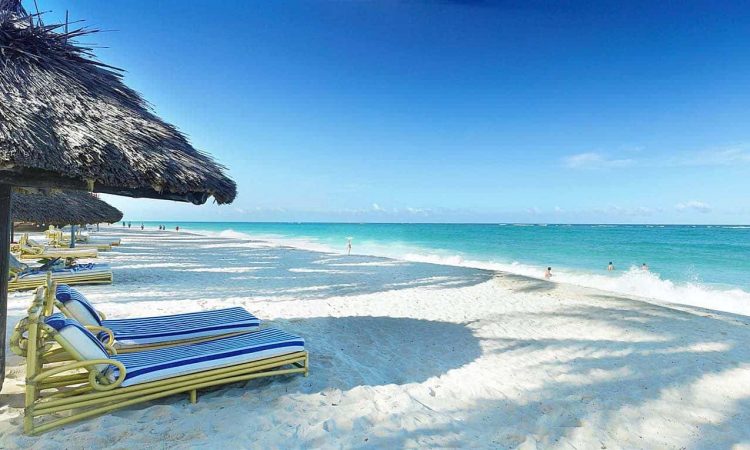
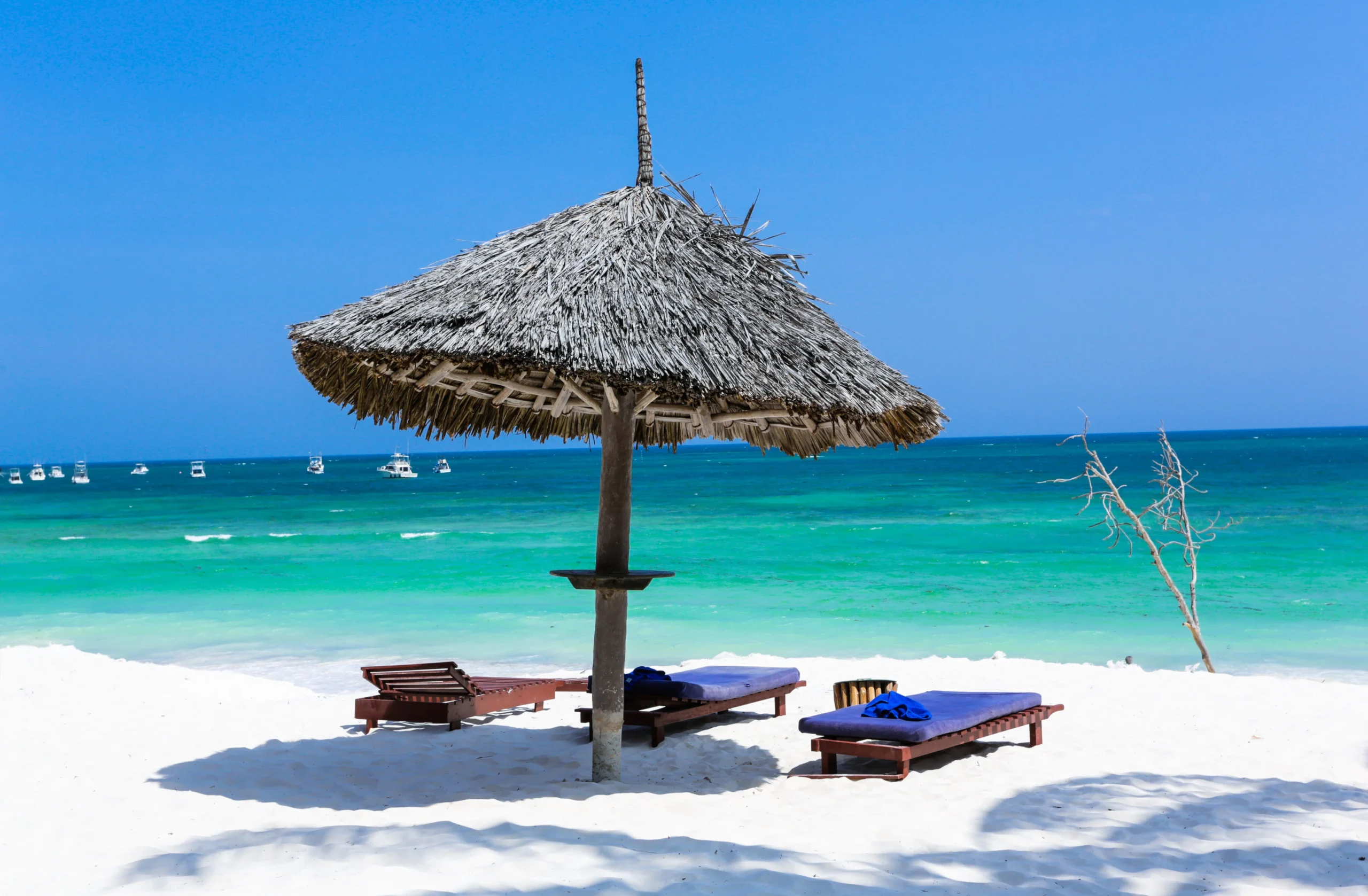
The beautiful beaches you photograph are not beautiful by accident. They remain that way because specific communities, in specific places, put in the work. They control siltation, restore mangroves and protect nesting grounds so that the water remains clear and the shoreline stays whole.
Mangroves are among the most effective natural tools we have for absorbing carbon from the atmosphere. And that fish served at a five-star restaurant on the coast, beautifully plated and priced accordingly? It exists because grassroots communities protected juvenile fish and breeding grounds long before it reached that table.
Take that protection away, and fish populations fall for everyone, five-star restaurants included.
Everything here is connected: the problems and the solutions. And when you have the capacity to become part of the solution, the only real question is: why wouldn’t you?
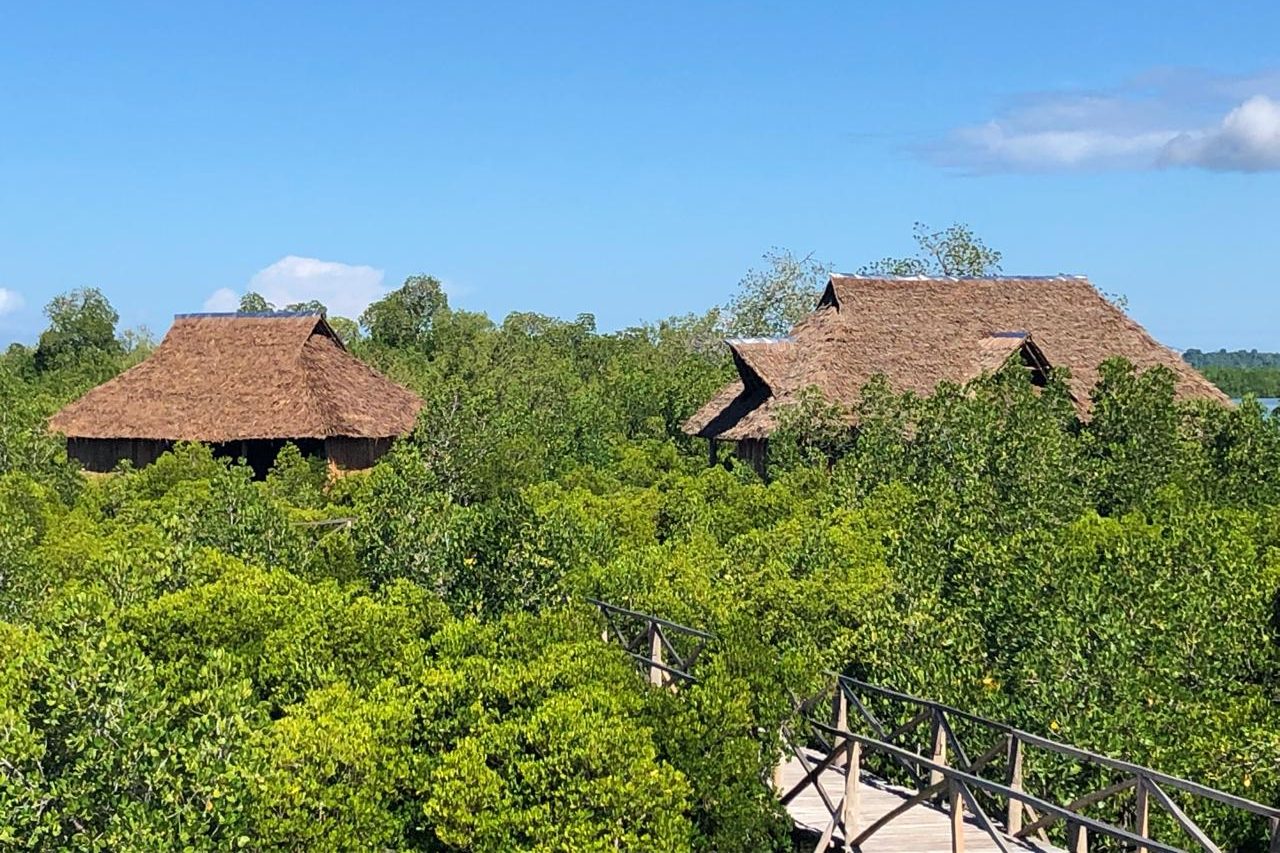
So, I am inviting you to Kilifi County, approximately 65 kilometres north of Mombasa.
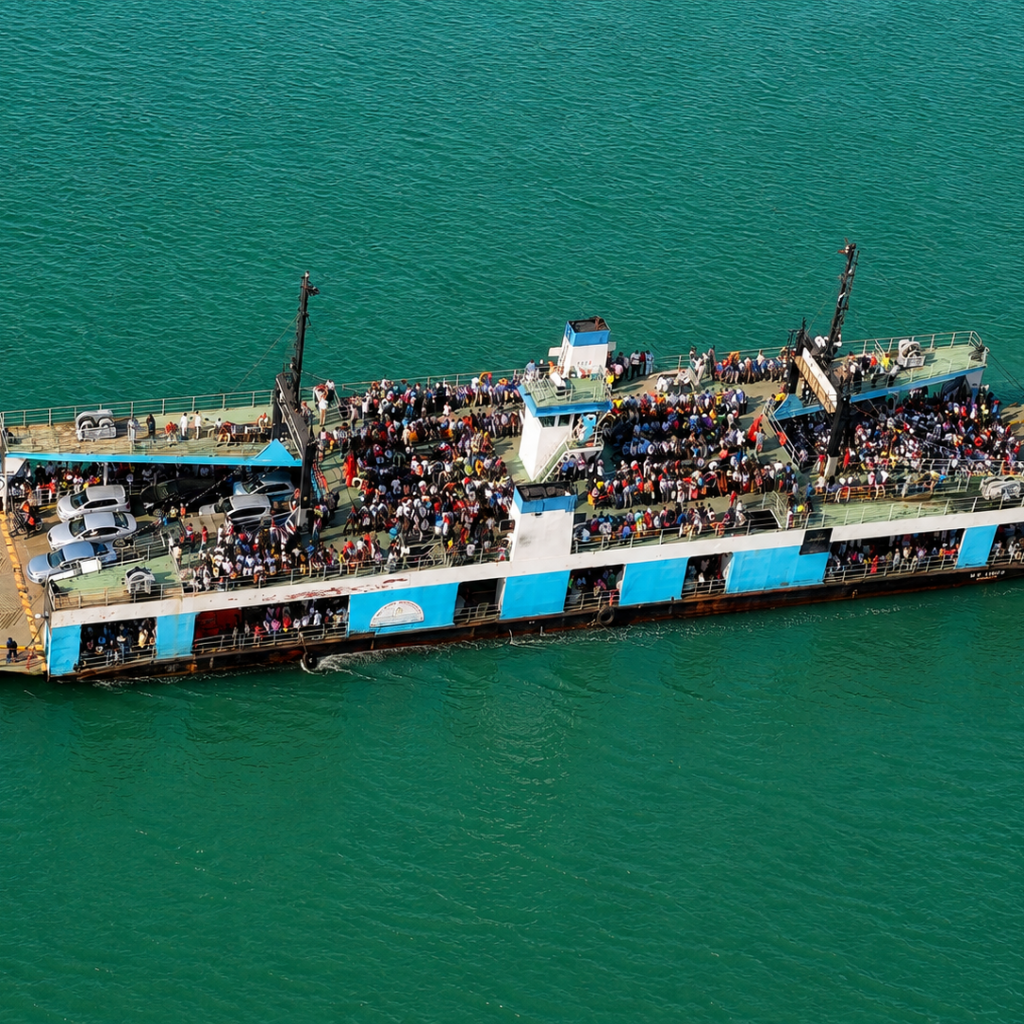
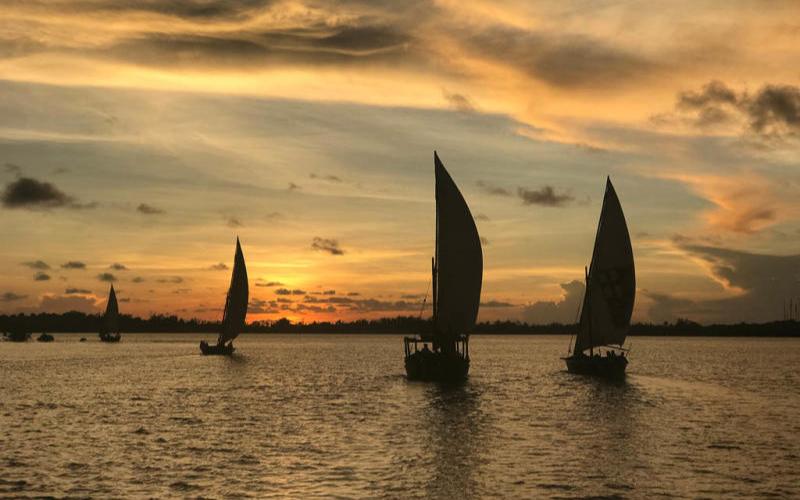
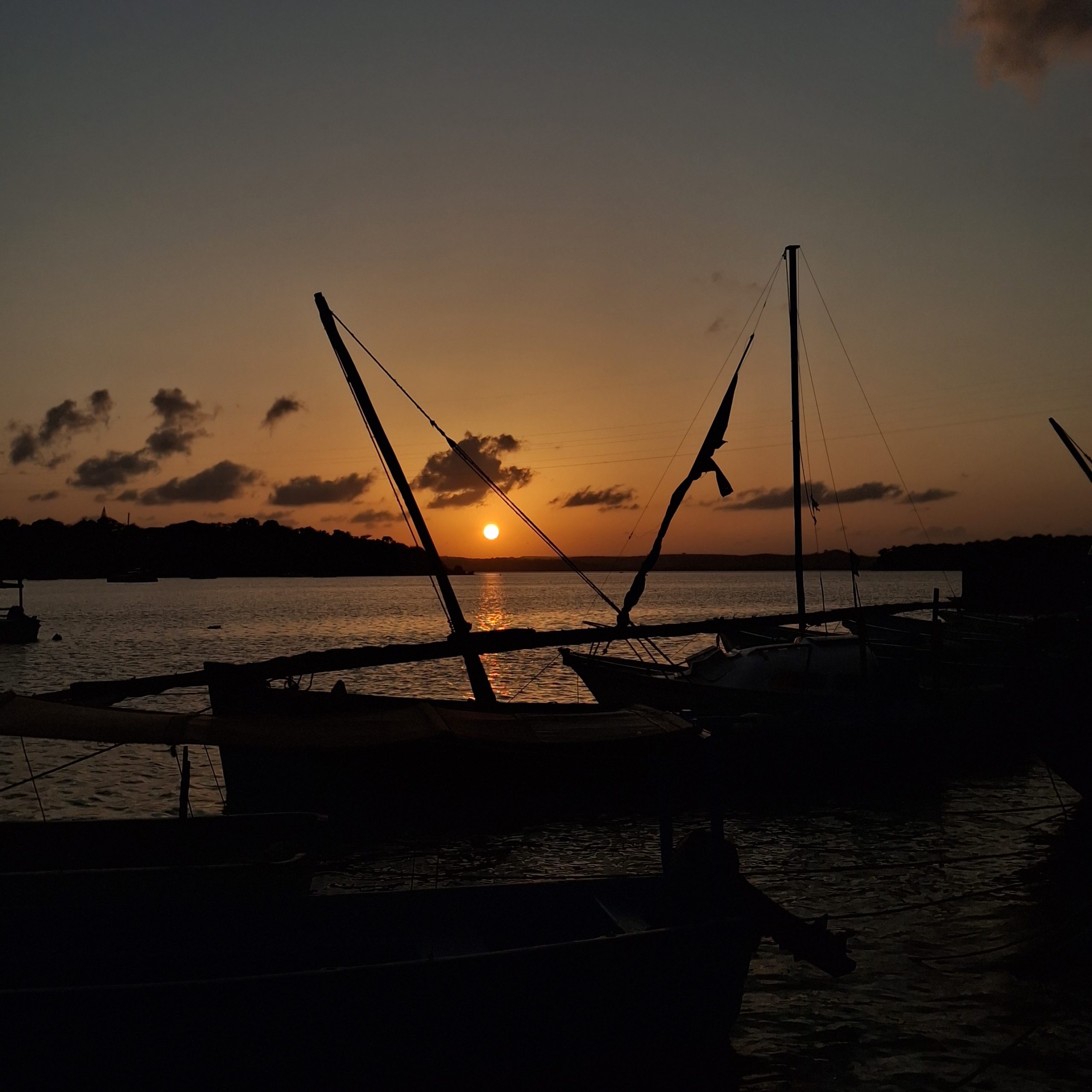
Stand on the Kilifi Bridge and you can already see part of the creek stretching beneath you. Built in 1991, Kilifi Bridge is one of the longest bridges in Kenya. Before it existed, people crossed the water by ferry. That former crossing is still known as Old Ferry, and it remains one of the best places in the area to watch the sunset.
The creek is approximately 15 to 22 metres deep and curves west towards two communities that have each committed themselves to creating a better future in their own way: Kidundu and Kibokoni.
Here is the thread running beneath everything you are about to see: this coastline cannot be saved in fragments, and neither can you be changed by one.
Every ecosystem along this corridor depends on the next. The forest inland holds the soil in place. That soil stays out of the creek instead of choking it. The creek feeds Kidundu’s mangroves downstream. The mangroves filter the water and provide a nursery for young fish. Those fish sustain the aquaculture ponds and fishing economies on both banks, including Kidundu and Kibokoni.
Remove any single part of that chain and the whole corridor begins to weaken.
That is not a metaphor. It is simply how this place works.
Kidundu

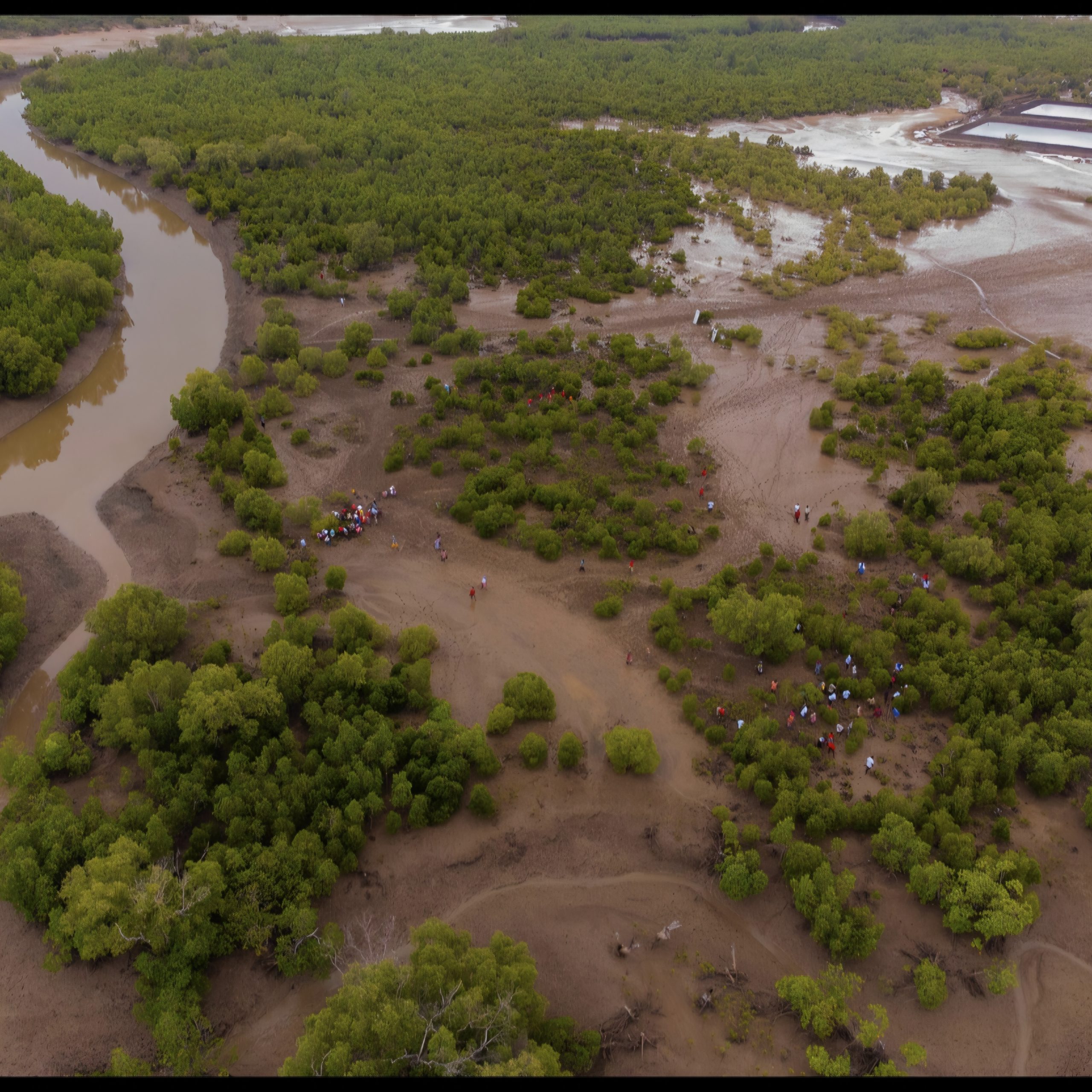
On the western bank of the creek, a community forest group in Kidundu has spent years restoring the mangroves that hold this entire system together.
Visitors can plant a mangrove seedling for approximately KSh 70. The money goes directly to the people carrying out the restoration, with no corporate booking platform standing between your hand and theirs.
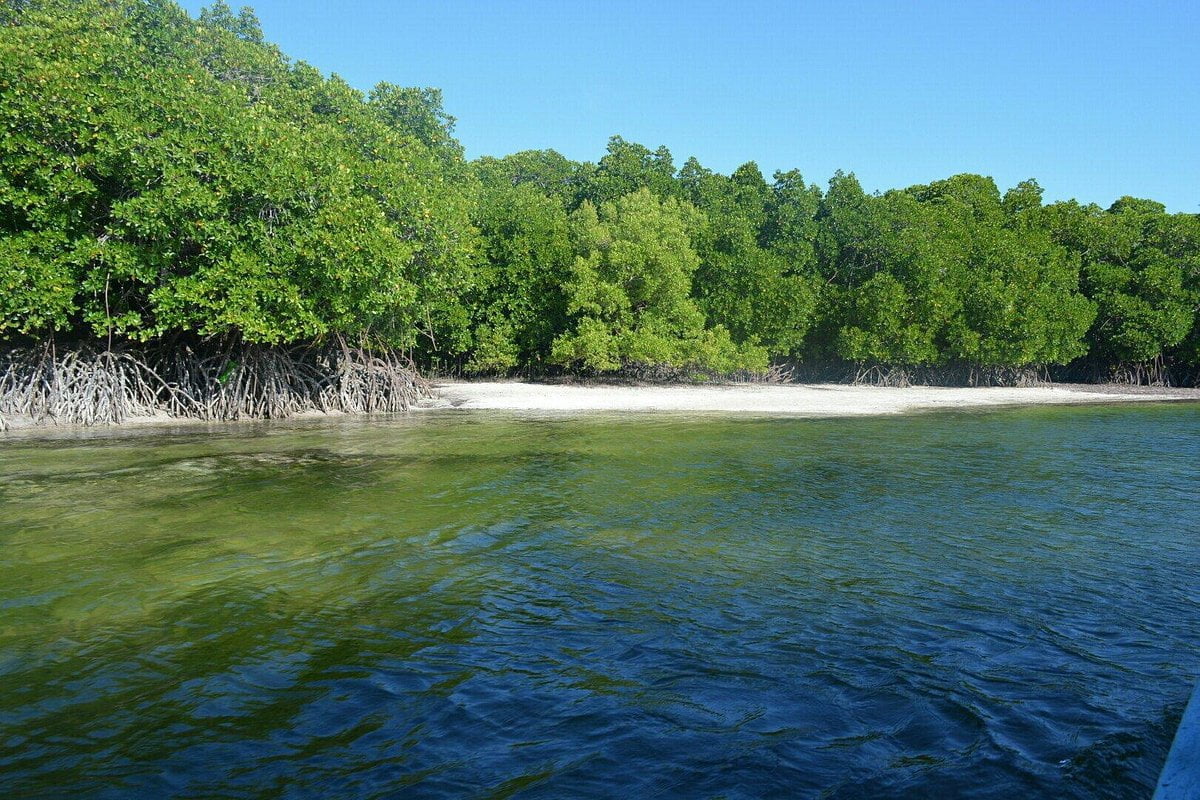
Walk along the boardwalks built through the mangrove roots and, particularly at high tide, you begin to understand why this work matters. These mangroves provide breeding and nursery grounds for juvenile fish and crustaceans while also drawing carbon from the atmosphere.
You can also ride a community bicycle along the trails or taste hand-pressed coconut oil produced by a local women’s group that is turning conservation into a source of livelihood.
Groups may also enquire about cultural dance performances offered in celebration of a shared experience rather than staged simply for visitors.
Getting to Kidundu
There are two ways to reach Kidundu.
By road, turn left onto Mandharini Road a few kilometres before reaching Kilifi Bridge. A large sign marks the route. From there, follow the road downhill towards the community.
You can also travel by water. Board a boat at Old Ferry and head westwards along the creek, enjoying the breeze and the patterns formed by the mangroves along the banks.
There is something about travelling across the water that allows the journey itself to become part of the experience. For a while, the creek seems to carry away everything you no longer need.
Visitors are received by Kidundu chairman Stephen Nyambu, who can also help arrange the trip.
Contact: Stephen Nyambu
Telephone and WhatsApp: +254 711 940 314
Visitors can also arrange a seafood meal at an average price of approximately KSh 2,000.
Kibokoni
Across the water at Kibokoni, 45 people have spent 15 years transforming hand-dug earthen ponds into a working aquaculture economy.
The community raises crab, milkfish, prawns and tilapia. Harvesting takes place between December and March, supported by the same clean creek water that the mangroves upstream help to protect.
Eat at the community restaurant and your money goes directly to the group that raised what is on your plate. Meals cost less than KSh 2,000 and are served on a boardwalk overlooking the water, often accompanied by a sunset that needs no filter.
Visitors can also plant a mangrove seedling for approximately KSh 50, contributing directly to the community’s conservation work.
For those who would like to remain longer, camping is available above the water. It offers the opportunity to wake up and experience the landscape a second time, when the light, tides and sounds may be entirely different from the evening before.
The surrounding area is hilly and scenic. Guided tours are available for approximately KSh 1,000.

Visitors should dress conservatively when spending time within these communities. It is a simple gesture, but one that goes a long way in showing respect.
Trips to Kibokoni can be arranged through Maxwell, the secretary of the Umoja Self Help Group–Kibokoni.
Contact: Maxwell
Telephone and WhatsApp: +254 714 386 786
Takaungu

Further south of Kilifi Bridge, the corridor continues towards Takaungu, where the story deepens rather than ends.
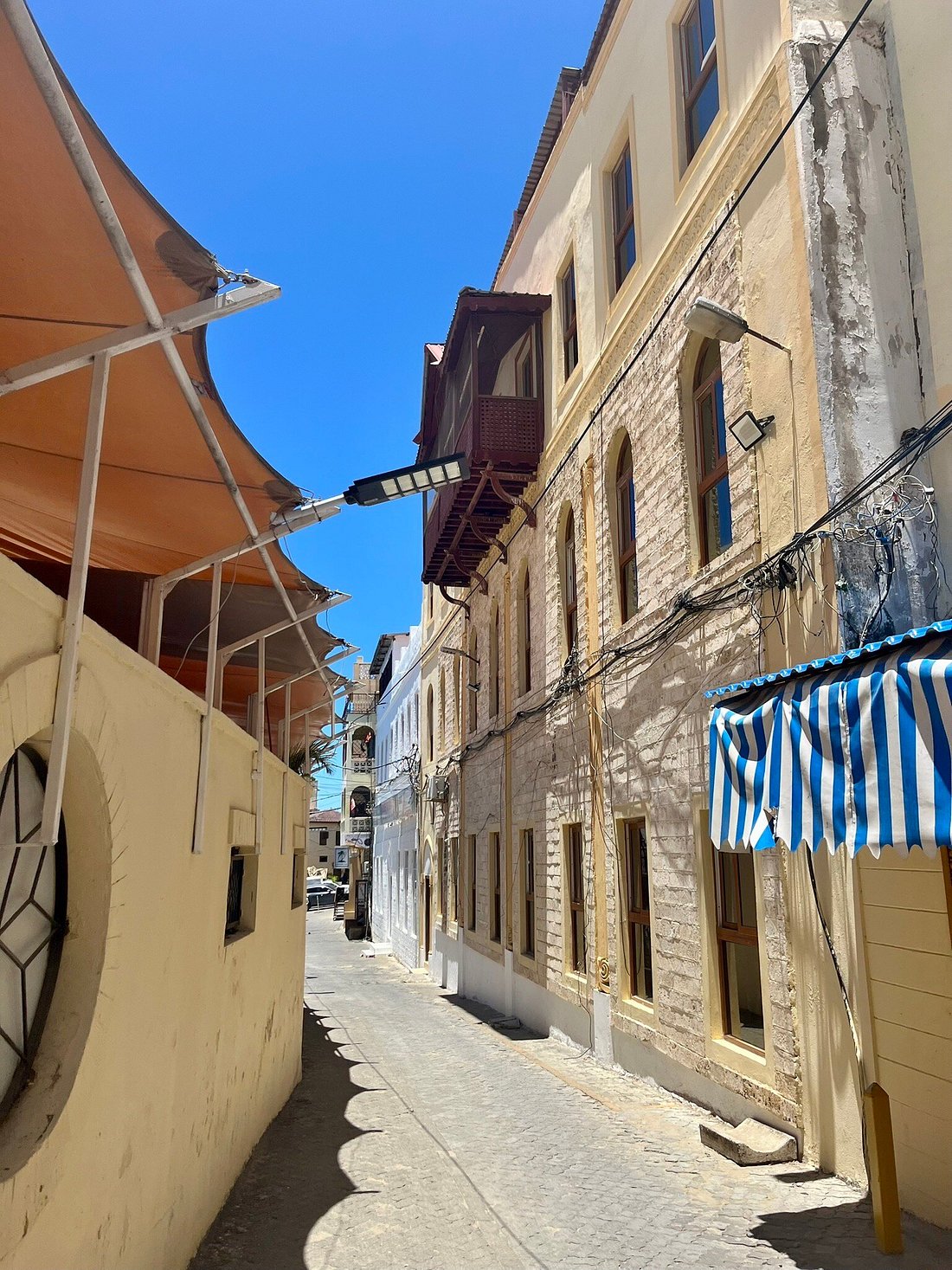
Takaungu carries a long and complex history. The village was the site of an uprising against colonial rule in 1895 and is home to six mosques connected to centuries of Yemeni and Mazrui heritage.
It is also a living Swahili community that asks visitors to dress and conduct themselves respectfully.
On the Giriama side of Takaungu, mangrove restoration continues under a plan running through 2028. Local young people are also involved in beach clean-ups and turtle monitoring.
Food stalls run by women from the village serve meals for less than KSh 2,000. These are not simply meals prepared for tourists. They are recipes and techniques carried intact across generations.
Visitors can cross the creek the way people have done for years: aboard an old wooden ferry. No booking is required. The crossing is guided by a man who has made the journey more times than anyone could count, and it costs less than KSh 100.
Takaungu is best explored slowly, either on foot or by bicycle. Trekking trails make both options possible.
The easiest approach is through Takaungu Market, following the tarmacked road that continues towards Kithangani Beach.
For help arranging a visit, including mangrove restoration activities and other experiences in Takaungu, contact Zahour.
Contact: Zahour
Telephone and WhatsApp: +254 710 674 884
None of this asks you to sacrifice your holiday.
It asks you to redirect part of it towards the hands already doing the work of keeping this coastline whole. The money you would have spent anyway can land exactly where the ecological benefit does.
That is the shift from being an ordinary traveller to becoming an impactful one.
It is not about doing less. It is about making sure that what you do reaches the people and places that made your trip worth taking in the first place.
The coastline cannot be saved in fragments. But it is being saved, piece by connected piece, by people who continue to show up for it every day.
The only question left is whether you will show up too.
Article by Sharon Mumbua a Sustainable Tourism Product Curator