Skip to content
EXPLORING MOMBASA Kenya Coast
The Coast edit

Getting around Mombasa

Published 24 July 2026 16 min read
Getting around Mombasa

The first thing most visitors do after arriving in Mombasa is open Google Maps.

Itโ€™s an understandable instinct. Find your destination, follow the blue line and, sooner or later, youโ€™ll get there.

In Mombasa, though, Google Maps tells only part of the story.

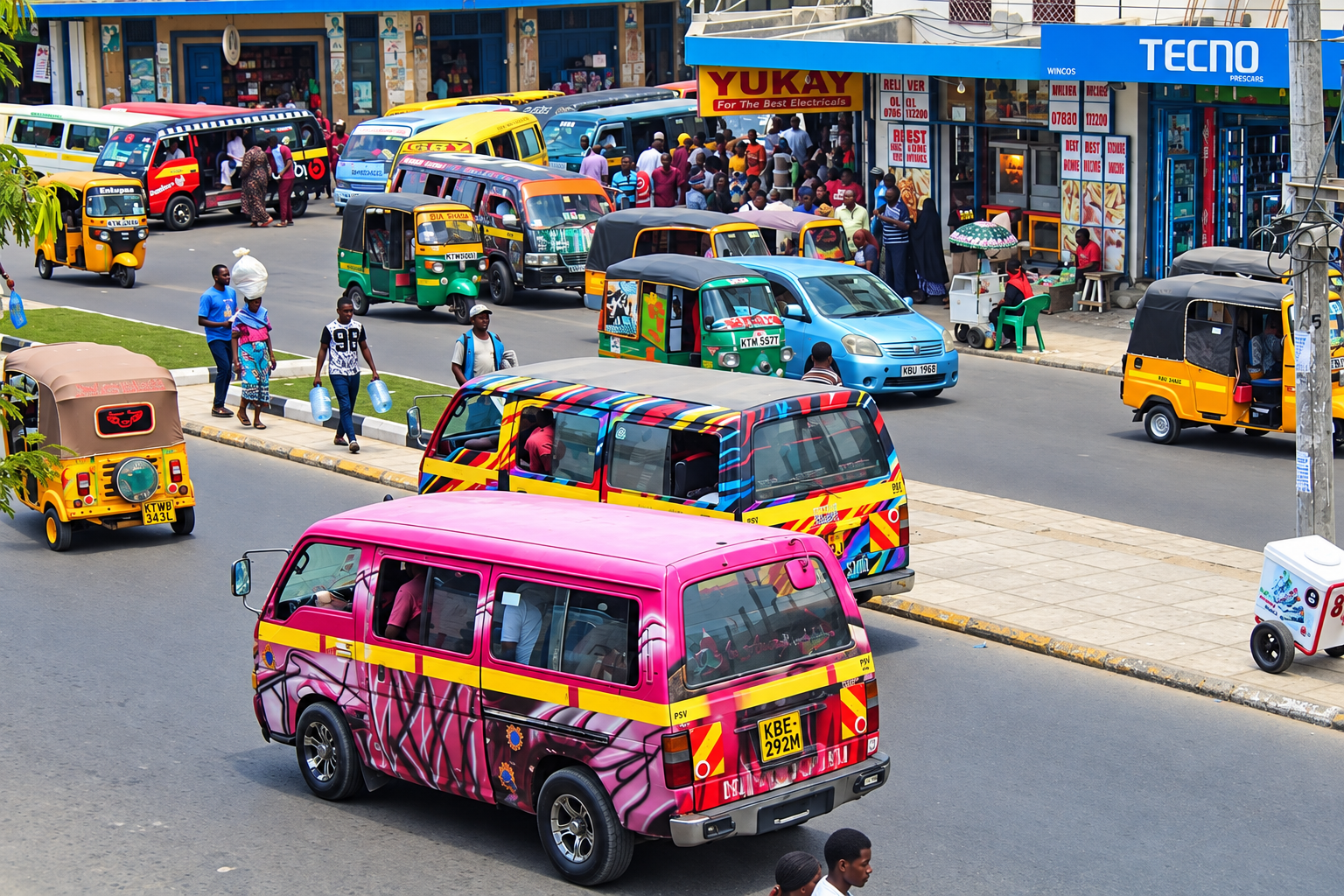
It can show you the roads. It canโ€™t explain why a conductor is enthusiastically shouting โ€œNyali! Bamburi! Mtwapa!โ€ from the doorway of a matatu.

It wonโ€™t tell you why everyone seems to know where โ€œLightsโ€ is, yet nobody feels the need to mention its official name. Nor will it explain how a tuk tuk driver can tell youโ€™ve just arrived in town before youโ€™ve even said a word.

Those are things you learn only after spending a little time here. The good news is that you donโ€™t need months to figure them out.

Mombasa moves to its own rhythm.

Commuters head to work before sunrise. Schoolchildren squeeze onto morning matatus. Traders make their way to Kongowea and Marikiti. Ferries carry thousands across the channel, while beachgoers drift north as the afternoon heat softens.

Once you begin noticing that rhythm, navigating the city becomes far less intimidating than it first appears.

People here rarely rely on one way of getting around. A trader may catch a matatu into town before dawn, use a tuk tuk for deliveries during the day, then take a boda boda home after evening traffic has brought half the city to a standstill.

Nobody thinks twice about it.

To a Mombasa resident, transport isnโ€™t about loyalty to one vehicle. Itโ€™s about choosing the right one for the journey.

Fares in this guide are approximate. Prices may change depending on traffic, weather, demand, time of day and where you board. Always confirm the fare before travelling.

01

Understanding How Mombasa Moves

Image by Tumo Maokisa

One of the easiest mistakes to make in Mombasa is assuming itโ€™s a compact city where everything sits a few streets apart.

It doesnโ€™t.

Stop thinking in terms of roads and start thinking in terms of direction.

Mombasa Island is the cityโ€™s centre.

Itโ€™s home to the CBD, Old Town, Fort Jesus, Pembe za Ndovu and Marikiti Market.

Itโ€™s where most visitors begin exploring and where much of the cityโ€™s commercial life unfolds.

Cross Nyali Bridge heading north and youโ€™ve entered the North Coast.

This direction includes Kongowea, Nyali, Bombolulu, Bamburi, Shanzu and eventually Mtwapa.

Many of the hotels, restaurants, beaches and shopping centres visitors are looking for lie in this direction.

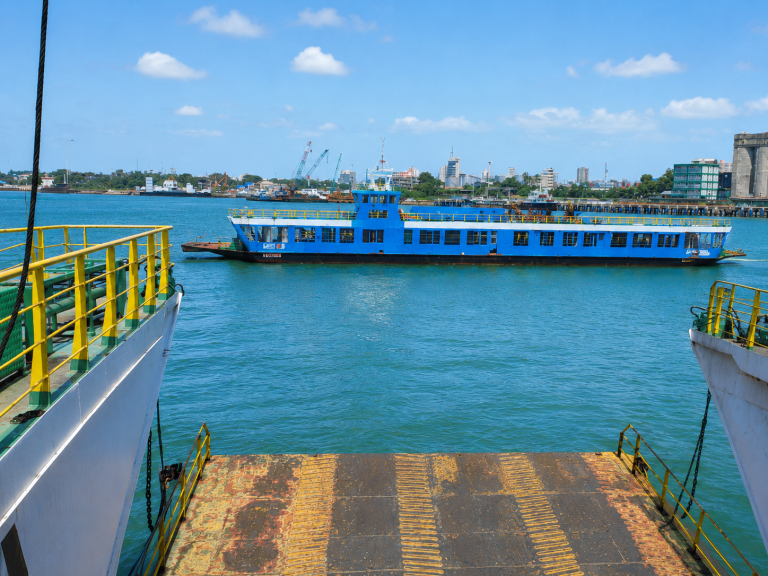
Travel south and youโ€™ll reach Likoni Ferry.

The ferry is the gateway to the South Coast and destinations such as Diani, Tiwi and Ukunda.

During busy periods, queues build quickly, so always allow extra time.

Moi International Airport and the SGR terminus at Miritini sit west of the island.

Neither is in the city centre, which is why youโ€™ll almost always need onward transport after arriving at either.

Once those four directions are clear, the island, north, south and west, Mombasa suddenly becomes much easier to visualise.

Youโ€™ll stop trying to memorise roads and start recognising how the city flows.
02

Matatus

If someone asked me to recommend just one experience that captures everyday life in Mombasa, it wouldnโ€™t be a beach or a restaurant.

Iโ€™d tell them to take a matatu.

Not because itโ€™s glamorous. Far from it.

Few places offer a better glimpse into the cityโ€™s daily rhythm.

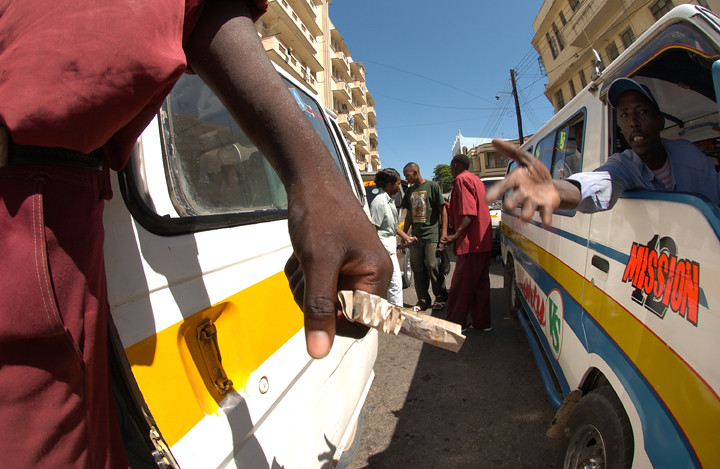
On any given journey you might find office workers catching up on messages, students discussing school assignments, traders balancing sacks of vegetables, construction workers debating last nightโ€™s football, and tourists quietly wondering whether there really is room for โ€œjust one more passenger.โ€

The answer, incidentally, is almost always yes.

At least according to the conductor.

Matatus are the backbone of public transport in Mombasa. They are inexpensive, widely available and serve most routes visitors are likely to use.

Short neighbourhood journeys can cost as little as KSh 20 to KSh 30, while longer journeys across the city generally cost more. Fares are not completely fixed and can rise during heavy rain, public holidays, fuel shortages, strikes or other major disruptions.

Short neighbourhood journeys can cost as little as KSh 20 to KSh 30, while longer journeys across the city generally cost more. Fares are not completely fixed and can rise during heavy rain, public holidays, fuel shortages, strikes or other major disruptions.

Unlike city buses elsewhere, matatu routes are not announced on electronic boards or neatly displayed at every stop.

Instead, you listen.

โ€œNyali! Kongowea! Bamburi! Mtwapa!โ€

Conductors call out destinations as the vehicle approaches, often rapidly and repeatedly.

To a newcomer, it sounds chaotic.

To locals, itโ€™s simply another day.

If youโ€™re unsure which matatu to board, donโ€™t guess. Ask the conductor, another passenger or the woman selling fruit beside the stage.

Mombasa residents are usually happy to point visitors in the right direction.

Before boarding, confirm the destination. If itโ€™s your first time on the route, mention where youโ€™re getting off. Conductors know every stop and will usually call it out when itโ€™s time to alight.

Keep your bag close during busy periods and avoid squeezing into an overloaded vehicle when another matatu is only minutes behind.

Always build extra time into any journey involving the airport, the SGR terminus or Likoni Ferry.

Traffic in Mombasa has an uncanny ability to humble even the most carefully planned itinerary.

03

Tuk Tuks

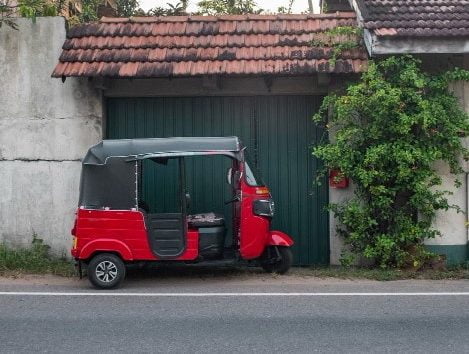
tuk tuk in mombasa county

If matatus keep Mombasa moving, tuk tuks keep it connected.

They are the link between bus stops and hotels, beaches and restaurants, shopping centres and residential estates.

They are useful for every situation that sits between โ€œitโ€™s too far to walkโ€ and โ€œitโ€™s not worth booking a taxi.โ€

For many visitors, tuk tuks quietly become the mode of transport they use most.

Unlike matatus, tuk tuks take you directly to your destination.

They are ideal for Old Townโ€™s narrow streets, getting around the CBD, hopping between hotels in Nyali, and making short trips around Bamburi, Bombolulu and Tudor.

They are more private than a matatu and cheaper than a taxi.

Perhaps the most telling thing about tuk tuks, though, is the drivers themselves.

Before youโ€™ve even climbed aboard, many have already begun reading you.

They notice whether youโ€™re confidently asking for Buxton or hesitantly searching your phone for directions.

They notice the beach bag over your shoulder, the suitcase rolling behind you and the pause before you answer a simple question.

Years of transporting locals and visitors alike have turned many tuk tuk drivers into remarkably good judges of character.

What happens after that quick evaluation?

They tell you the fare.

What they quote a visitor is rarely the same figure they would give a local.

The fastest way to close that gap is to stop sounding like someone who has just arrived.

A casual โ€œchukua thirty mwanangu, ni hapa mbele tuโ€, spoken as if youโ€™ve said it a hundred times, shifts the entire conversation.

Suddenly youโ€™re not simply a fare.

Youโ€™re someone he knows, or almost knows.

In Mombasa, that distinction can be worth at least KSh 50.

A standard short trip may cost about KSh 50. A confidently negotiated local fare may be closer to KSh 20 or KSh 30.

Fares rise after dark, during rain and in heavy traffic.

Always agree on the price before setting off. Itโ€™s a quick conversation that prevents awkward misunderstandings later.

Carry cash where possible. Many drivers accept M Pesa, but cash keeps short journeys moving.

Tuk tuks are not suited to long highway journeys, airport or SGR transfers, or travel with large luggage.

For those journeys, a taxi or app taxi will serve you better.

04

Boda Bodas

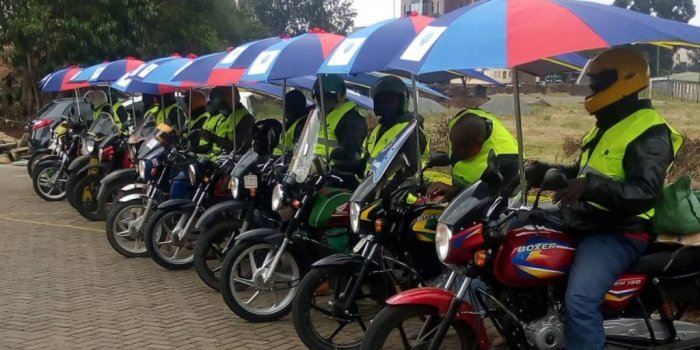
If tuk tuks are Mombasaโ€™s problem solvers, boda bodas are its escape artists.

Where traffic sees a standstill, a boda boda sees an opportunity.

They slip through narrow streets, weave around long queues and reach places that larger vehicles simply canโ€™t.

To someone visiting for the first time, it can look equal parts impressive and terrifying.

Mostly terrifying.

Yet for thousands of residents, boda bodas are simply another part of everyday life.

They solve one problem better than almost anything else on the road: Speed.

Need to cross a busy neighbourhood in a hurry? Need to reach an estate no matatu serves?

A boda boda will probably get you there faster than anything else.

Boda bodas operate mainly in residential areas and on the cityโ€™s outskirts, including Bamburi, Kadzandani, Kisauni, Kiembeni and Vescon.

They donโ€™t generally operate within the CBD, so a tuk tuk or matatu usually makes more sense for journeys around the city centre.

Short to middle distances during the day, such as Bamburi Naivas to Fisheries, Vescon or Kadzandani, cost about KSh 50 to KSh 70.

Longer daytime journeys, such as Bamburi Naivas to Kiembeni, cost about KSh 100.

Short distances at night may cost about KSh 70, while longer journeys may cost about KSh 100.

Fares rise after dark partly because fewer riders are available and partly because thatโ€™s simply how the boda boda ecosystem works.

Itโ€™s an unwritten rule every local accepts.

Another unwritten rule worth knowing is that familiarity is currency.

Having a regular boda boda rider often means better prices, faster response times and a noticeably more relaxed ride.

Itโ€™s a quiet advantage locals enjoy that visitors rarely discover.

Safety on boda bodas. Always agree on the fare before the ride starts.

Take a moment to observe the rider. Does the motorcycle look well maintained? Is the rider calm? Are they already weaving through traffic before youโ€™ve even sat down?

Trust your instincts.

There is nothing wrong with declining and finding another rider.

Avoid boda bodas if youโ€™re carrying large luggage, travelling with young children or simply donโ€™t feel comfortable on a motorcycle.

Thatโ€™s not hesitation. Itโ€™s good judgement.

At night, be especially cautious. Visibility drops and road hazards become harder to spot.

Your first boda boda ride probably shouldnโ€™t be after dark.

When possible, ask your hotel or host to recommend a rider they know and trust.

05

Taxis and App Taxis

Arriving in Mombasa once meant negotiating with taxi drivers outside the airport.

Today, app taxis have made that first journey much easier.

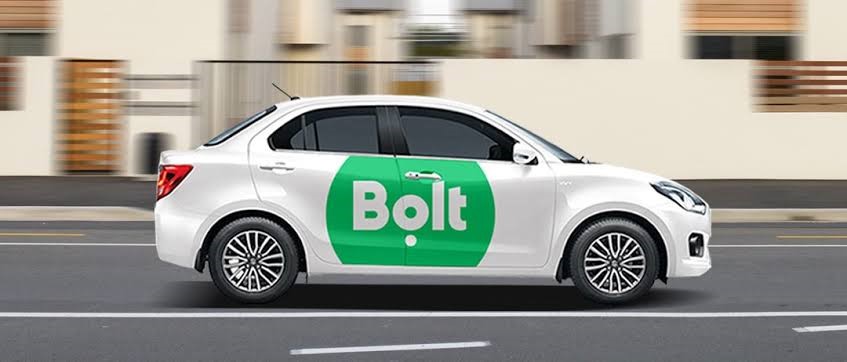
Uber, Bolt and Little Cab operate in Mombasa.

Uber and Bolt generally have the largest driver pools and are easiest to find around the CBD, Nyali, Bamburi, the airport and the SGR terminus.

Little Cab is a useful alternative, though during quieter periods you may wait a little longer.

Most locals who use taxi apps have both Uber and Bolt installed and compare prices before booking.

One afternoon Uber is cheaper. The next morning Bolt has the better fare.

The difference usually comes down to demand at that particular moment.

Installing more than one app before your trip is worth the two extra minutes.

Donโ€™t be surprised if your driver calls immediately after accepting the trip.

Theyโ€™re usually confirming your pickup point because GPS pins arenโ€™t always accurate around busy hotels, shopping centres and transport stages.

Having a nearby landmark ready, such as City Mall, Nyali Centre or Pembe za Ndovu, makes pickups far smoother than repeatedly saying, โ€œIโ€™m where the pin is.โ€

Airport to the CBD. An app taxi costs about KSh 500 to KSh 800. A regular taxi costs about KSh 1,000 to KSh 1,500.

Airport to Nyali. An app taxi costs about KSh 900 to KSh 1,400. A regular taxi costs about KSh 1,500 to KSh 2,000.

Airport to Diani. Expect to pay about KSh 3,500 to KSh 5,500, including time spent waiting at Likoni Ferry.

SGR Miritini to the CBD. Expect to pay about KSh 800 to KSh 1,200.

SGR Miritini to Nyali. Expect to pay about KSh 1,200 to KSh 1,800.

Nyali, the ferry area or Mtwapa to the CBD. Expect to pay about KSh 300 to KSh 600, depending on distance and demand.

Fares rise during heavy rain, public holidays and the evening rush.

Treat these prices as useful benchmarks, not fixed rates.

After a long flight or several hours on the train from Nairobi, saving KSh 300 may simply not be worth the wait.

Sometimes paying a little more for your first journey into town is worth it for the peace of mind.

Once youโ€™ve settled in and found your feet, thatโ€™s the moment to compare apps, negotiate tuk tuk fares or try a matatu.

06

Choosing the Right Transport

There is no single best way to get around Mombasa. The right choice depends on the journey.

Choose a matatu for longer daytime journeys when youโ€™re travelling on a budget and donโ€™t have heavy luggage.

Choose a tuk tuk for short journeys within the CBD, Old Town, Nyali, Bamburi and other nearby areas.

Choose a boda boda when you need to move quickly through a residential area and feel comfortable on a motorcycle.

Choose an app taxi or regular taxi when arriving at the airport or SGR, travelling with luggage, moving around after dark, or travelling with children or elderly relatives.

07

Common Visitor Routes

Most visitors only need to understand the journeys theyโ€™re most likely to make.

Here are the main ones.

CBD to Nyali or Nyali Beach. Matatu fares are about KSh 50 to KSh 80. An app taxi costs about KSh 300 to KSh 500. Once youโ€™re in Nyali, tuk tuks are useful for shorter journeys.

CBD to Bamburi. A matatu costs about KSh 100. An app taxi costs about KSh 400 to KSh 600. Matatus are frequent and reliable during the day.

CBD to Mtwapa or Lights. A matatu costs about KSh 100. An app taxi costs about KSh 500 to KSh 800. Leave early during peak hours.

CBD to Likoni Ferry. Take a matatu or tuk tuk from town. The pedestrian crossing is free. Allow extra time on busy days.

CBD to Old Town or Fort Jesus. A short tuk tuk ride is ideal. Expect to pay about KSh 50 to KSh 100, depending on where you start.

CBD to Haller Park. Take a matatu travelling towards Bamburi and ask to alight near the entrance. Expect to pay about KSh 80 to KSh 100.

CBD to Kongowea. Take a matatu from one of the main stages. Expect to pay about KSh 30 to KSh 50.

Airport to the CBD. An app taxi costs about KSh 500 to KSh 800. A regular taxi costs about KSh 1,000 to KSh 1,500.

Airport to Nyali. An app taxi costs about KSh 900 to KSh 1,400. A regular taxi costs about KSh 1,500 to KSh 2,000.

SGR Miritini to Mombasa Island. A taxi to the CBD costs about KSh 800 to KSh 1,200. App taxis may cost slightly less outside peak hours.

Mtwapa to Bamburi, Nyali or the CBD. Take a matatu heading south from Lights junction. Expect to pay about KSh 50 to KSh 100, depending on your destination.

Diani through Likoni Ferry. Take a taxi or matatu to Likoni Ferry. Cross on foot for free, then arrange onward transport on the South Coast side.

A full taxi from the airport to Diani costs about KSh 3,500 to KSh 5,500. Factor in ferry queues, especially on weekends and public holidays.

08

Rush Hour Is a Different City

If someone tells you a journey takes thirty minutes, ask what time theyโ€™re estimating for.

That might be accurate at 10.00.

At 17.00, it almost certainly isnโ€™t.

Roads that move smoothly in the middle of the morning can become stationary queues of matatus, tuk tuks, saloon cars and lorries by late afternoon.

Donโ€™t get caught in that and miss a ferry crossing, hotel check in, train or flight.

Any schedule that matters deserves a generous time buffer.

09

After Sunset, Move the Way Locals Do

The city doesnโ€™t go to sleep after dark.

Restaurants stay busy, street food vendors remain open and tuk tuks keep moving.

But locals quietly shift the way they travel.

Not out of fear, but out of common sense.

During the day, walking a few hundred metres barely registers as a decision.

At night, it becomes one.

Most residents would rather pay for a tuk tuk than cut through a poorly lit shortcut because Google Maps says itโ€™s faster.

As a visitor, thatโ€™s a habit worth borrowing.

Tuk tuks are often the most comfortable option after dark.

They are less exposed than boda bodas and easier to find than taxis.

Agree on the fare before you move. Night prices are almost always higher.

If something doesnโ€™t feel right, trust that instinct.

It might be a road that suddenly feels too quiet or a rider insisting on using a different route.

Thereโ€™s nothing wrong with asking for another ride or choosing a busier road instead.

10

Forget Street Names. Learn the Landmarks

Image by Bahnfrend

One of the quickest ways to spot someone visiting Mombasa for the first time is by the directions theyโ€™re trying to follow.

Theyโ€™re staring at Google Maps looking for road names, while everyone around them is saying:

โ€œShuka Makupa.โ€

โ€œPanda gari ya Nyali Bridge.โ€

โ€œNi hapo Lights.โ€

โ€œKongowea iko mbele kidogo.โ€

Mombasa navigates by landmarks more than street names.

Learn a handful of these and the city starts making immediate sense.

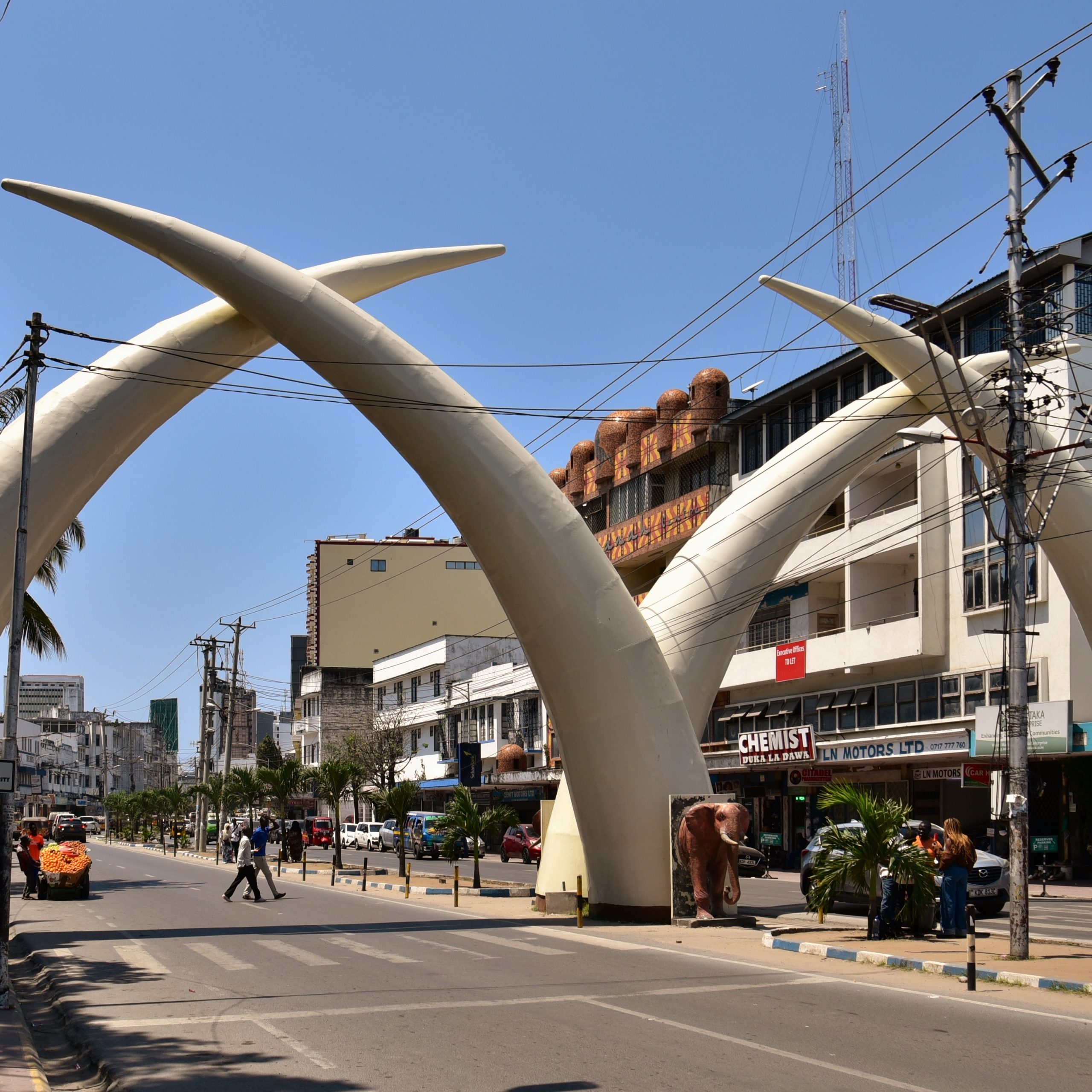
Pembe za Ndovu. The famous elephant tusks arching over Moi Avenue. Itโ€™s the cityโ€™s most recognisable landmark and an unofficial CBD meeting point.

Nyali Bridge. Connects Mombasa Island with Nyali and the entire North Coast. โ€œAcross the bridgeโ€ usually means Nyali, Bamburi, Shanzu or Mtwapa.

Likoni Ferry. The gateway to the South Coast. Traffic builds at certain times, so allow extra time when heading that way.

Kongowea Market. One of the largest open air markets on the coast and a major transport reference point.

Marikiti. The historic CBD market. Itโ€™s one of the busiest corners in town and a regular directional anchor.

Buxton and Makupa. Important residential and transport corridors youโ€™ll hear far more often than they appear on tourist maps.

Tudor. Both a bridge and a neighbourhood overlooking Tudor Creek. โ€œHeading to Tudorโ€ usually means the neighbourhood, not only the crossing.

Bamburi and Bombolulu. Bombolulu sits before Bamburi when heading north. The names sound similar and people visiting for the first time often confuse them.

Nyali Centre and City Mall. Two of the easiest pickup references in Nyali. Almost every driver knows them.

Lights. The traffic lights junction at Mtwapa. Simply saying โ€œLightsโ€ is understood by drivers across the city.

SGR Miritini. The Standard Gauge Railway terminus. Everyone calls it simply โ€œSGR.โ€

Moi International Airport. Simply say โ€œAirport.โ€

11

A Few Phrases That Will Take You Further Than Google Maps

You donโ€™t need fluency.

You need willingness.

In Mombasa, making an effort with Swahili shifts how people respond to you, and sometimes what they charge you.

Directions are usually given through landmarks rather than street names, so knowing how to ask matters.

โ€œNaenda Ferry.โ€ Iโ€™m going to the ferry.

โ€œHii inaenda wapi?โ€ Where does this go?

โ€œBei ni ngapi?โ€ How much is the fare?

โ€œNishukishe hapa.โ€ Drop me here.

โ€œNishukishe hapa mbele.โ€ Drop me just ahead.

โ€œNaenda Nyali.โ€ Iโ€™m going to Nyali.

You can replace Nyali with Bamburi, Mtwapa or wherever youโ€™re heading.

โ€œChukua thirty mwanangu, ni hapa mbele tu.โ€ Take thirty, my friend. Itโ€™s just ahead.

That last one is your most useful negotiation line.

Use it freely.

Even a simple โ€œHabari?โ€ or โ€œMambo?โ€ at the start of a conversation wonโ€™t magically reduce the fare, but it changes the tone entirely.

Transport in Mombasa is wonderfully human.

People appreciate friendliness, and those small courtesies have a way of coming back to you.

12

Mistakes People Visiting for the First Time Make

  • Not agreeing on the fare before the ride. Always settle the price before setting off, not halfway through and not at the destination.
  • Underestimating traffic. Rush hour can turn a twenty minute journey into an hour. Leave earlier than you think you need to.
  • Carrying too much luggage in matatus. Large bags in a crowded vehicle are awkward for everyone. For heavy luggage, use a taxi or app taxi.
  • Assuming Google Maps explains local transport. It shows roads, but it doesnโ€™t show matatu routes, stages, conductors or the landmarks people actually use. Ask people. They are often more useful and more accurate.
  • Leaving too late for the airport, SGR or Likoni Ferry. Ferry queues can build quickly. A missed ferry can lead to a missed train or flight. Add a serious time buffer.
  • Taking the cheapest option when a taxi would be safer. This matters especially when arriving, travelling at night or carrying luggage. Sometimes paying more is simply the right call.
  • Not asking the conductor where to alight. Tell the conductor your stop before the journey begins. Conductors know every stage and will usually call it out for you.
  • Assuming fares are fixed. They arenโ€™t. Night, rain, traffic and disruptions can push prices up across every mode of transport.

Getting around Mombasa becomes much easier once you understand which mode works best for each journey.

Karibu Mombasa. Safe travels.

error: Easy there, copy captain ๐Ÿ˜„ This content belongs to Exploring Mombasa.
Thank you. Your suggested update has been sent for editorial review.