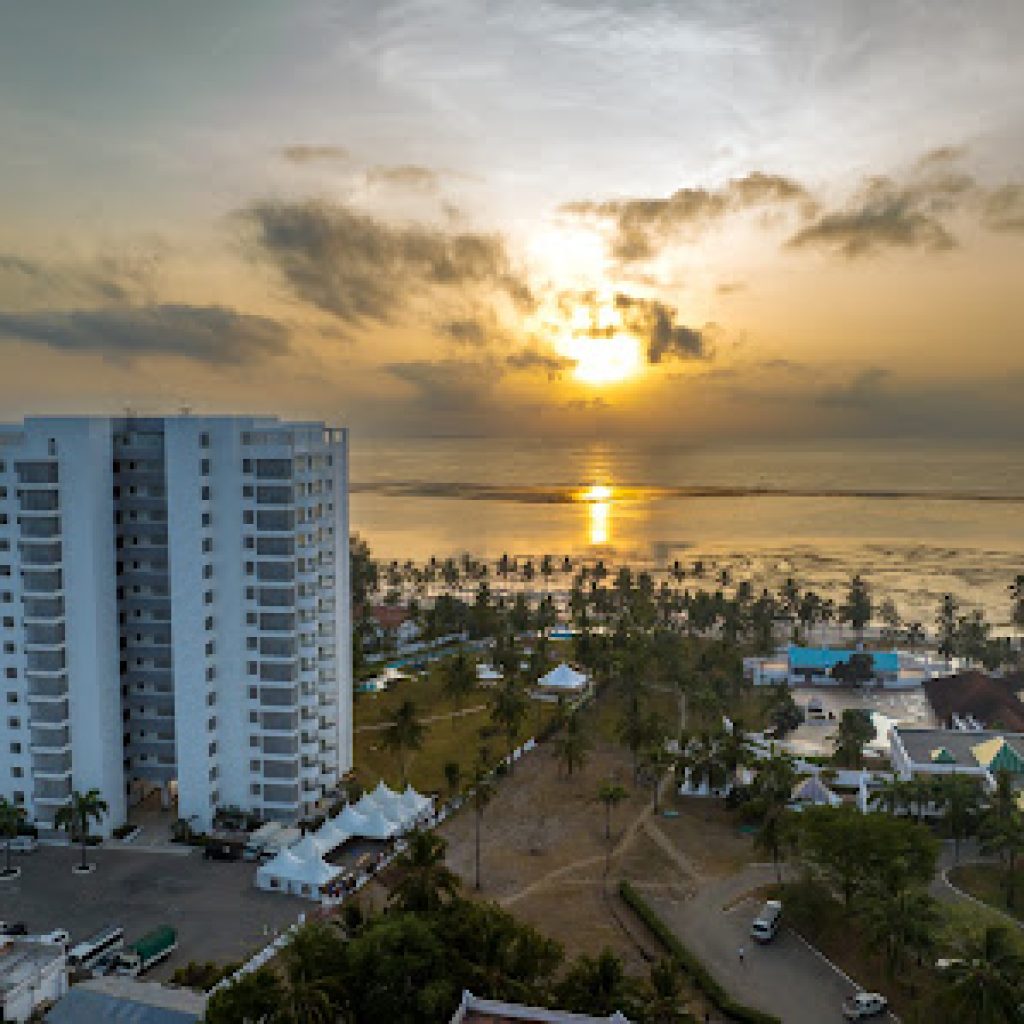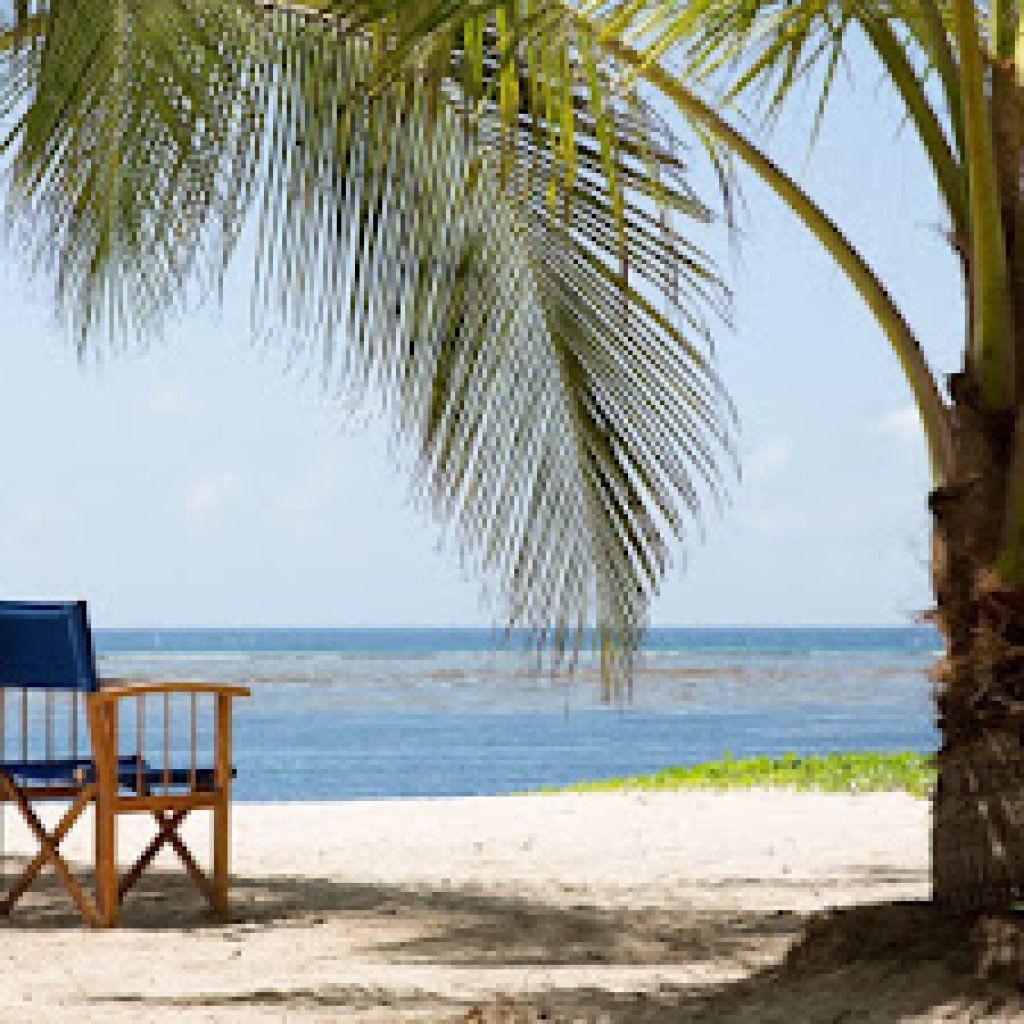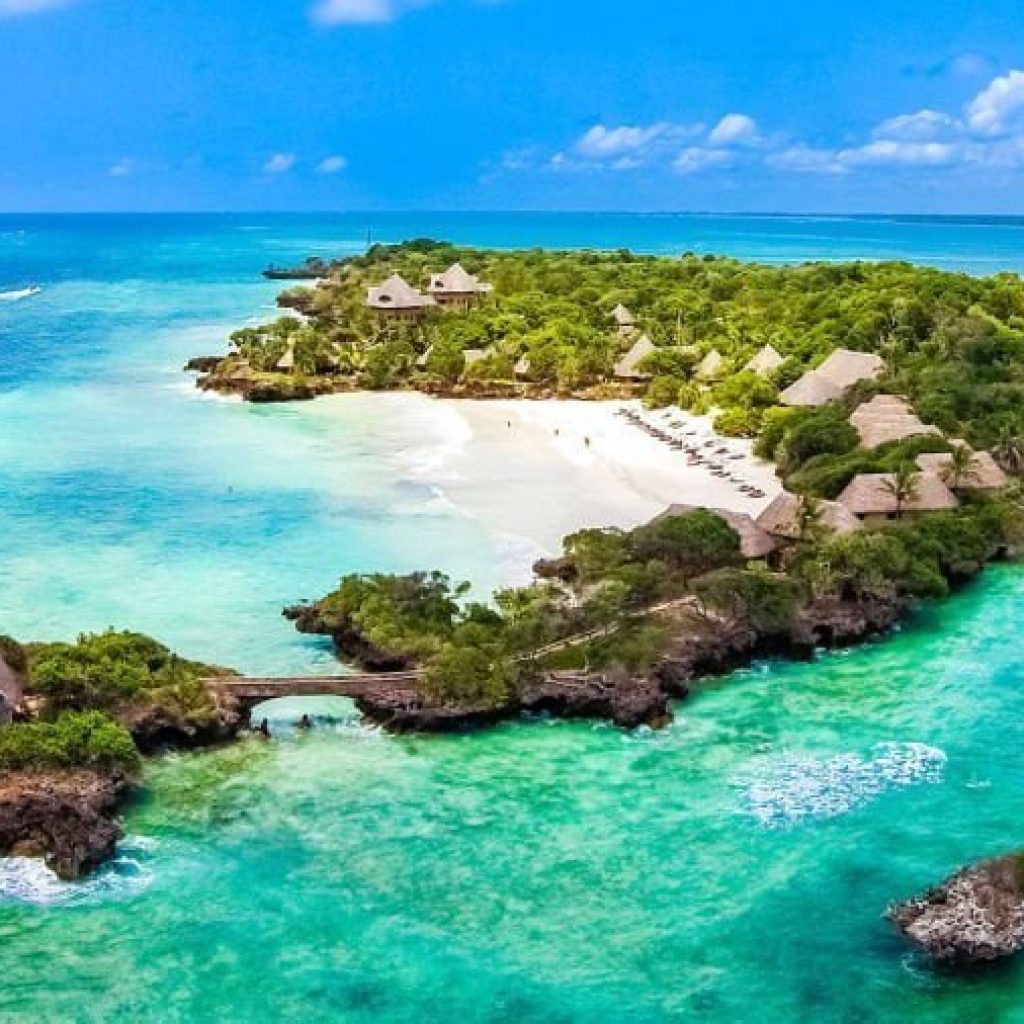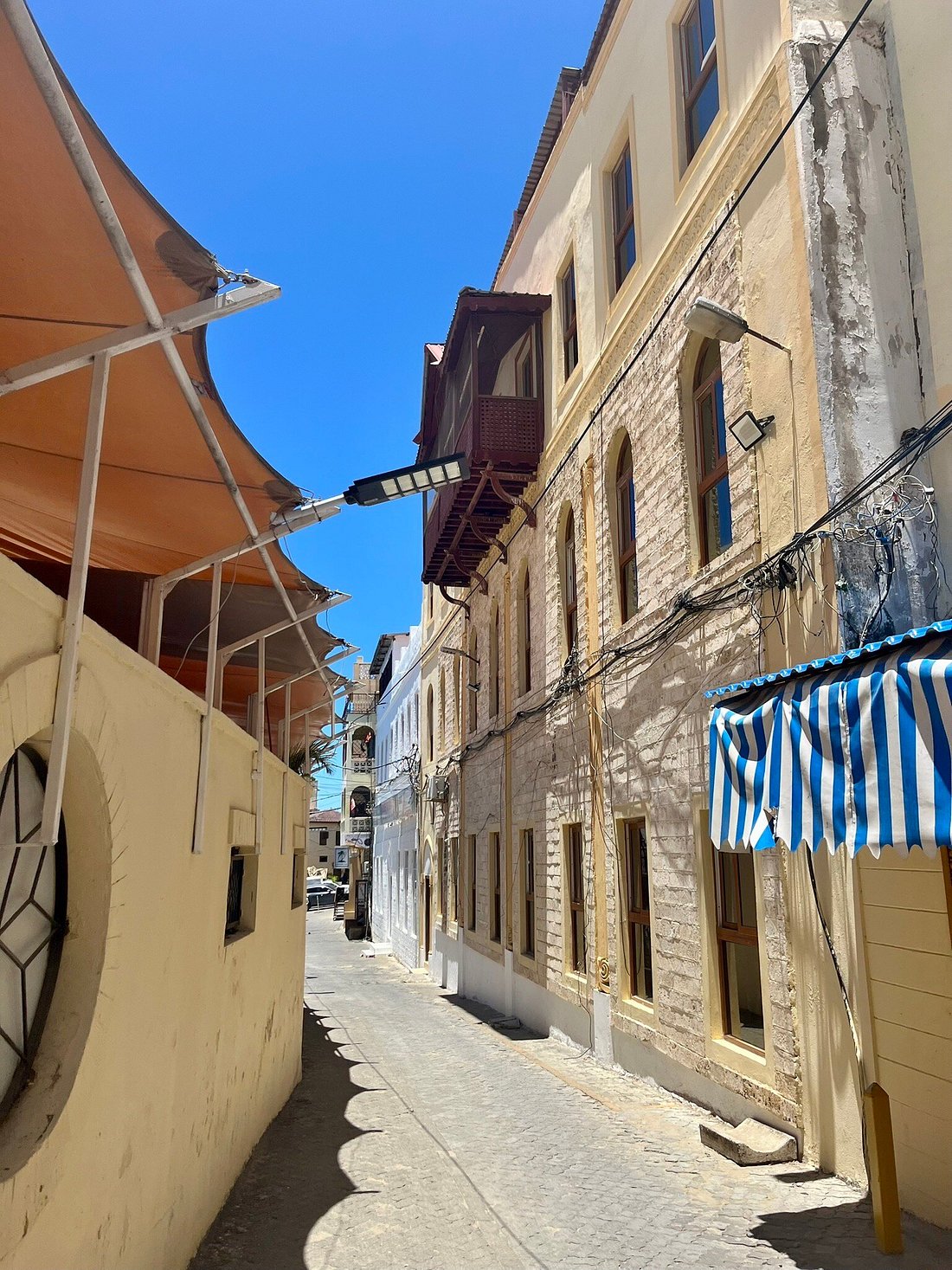
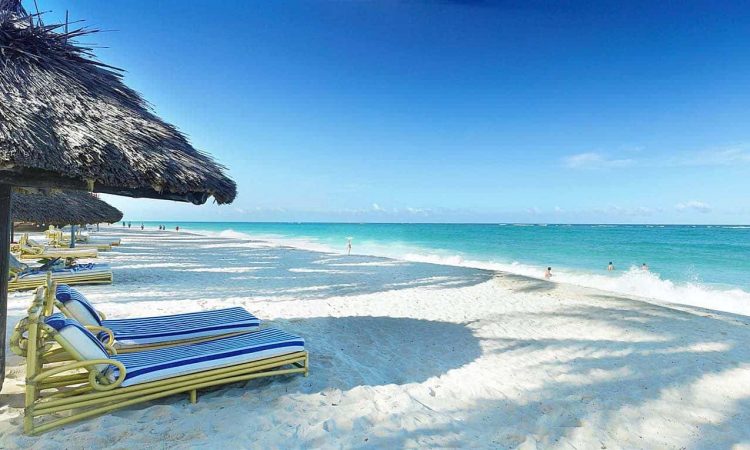
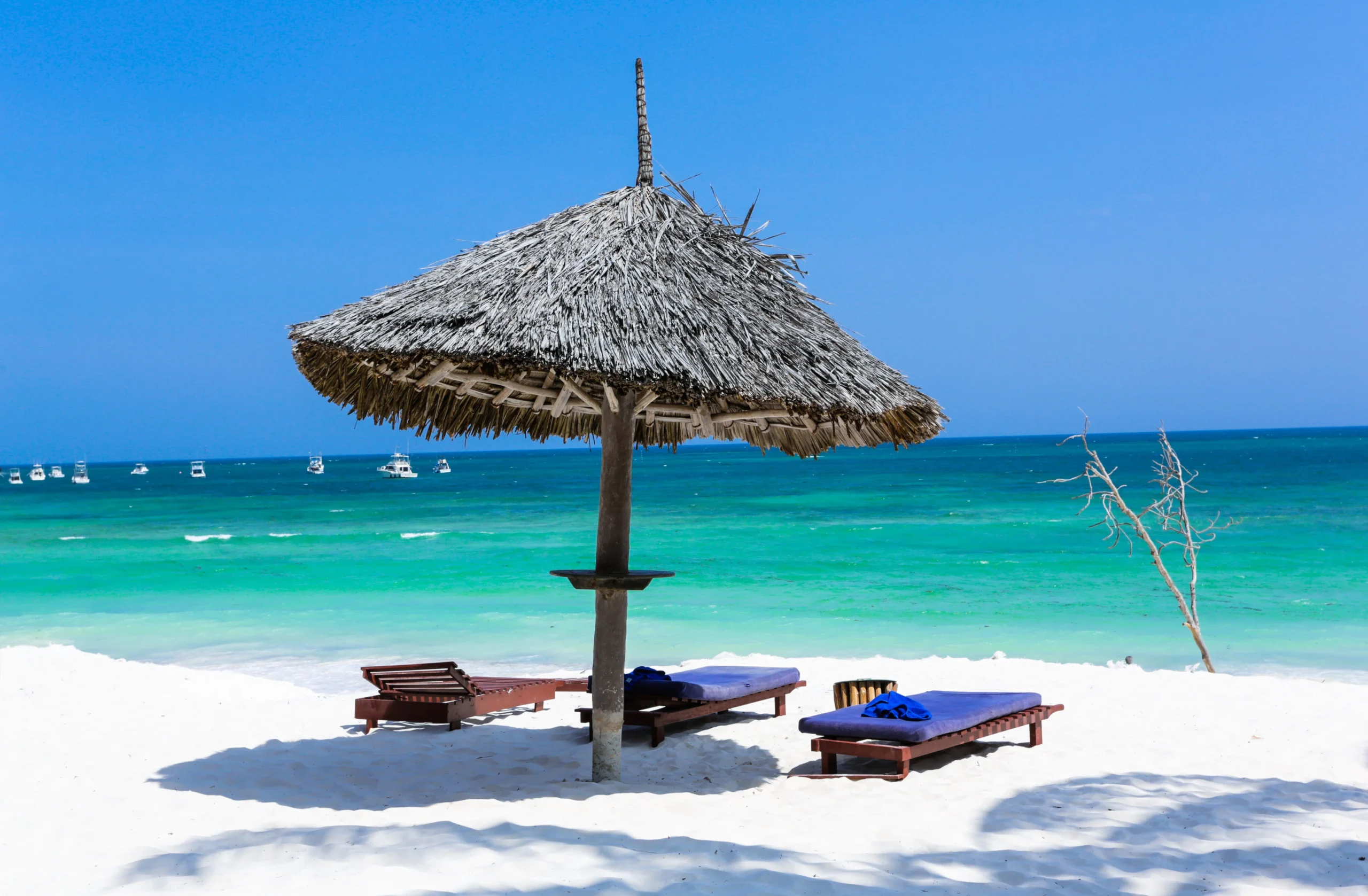
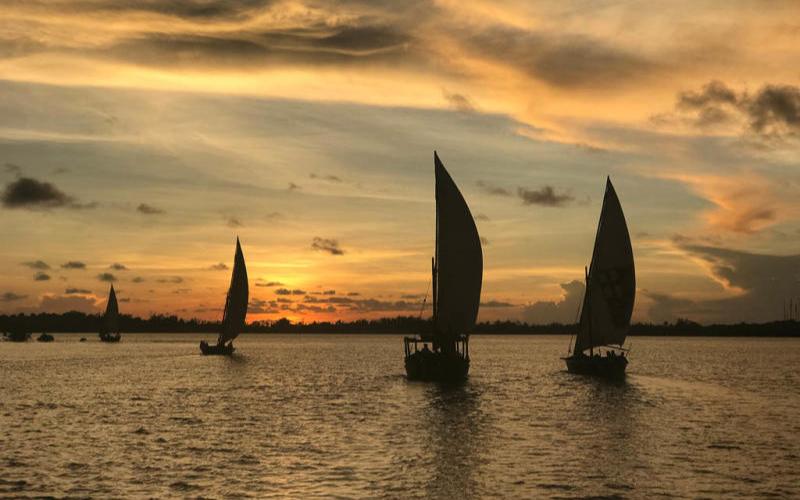




Malindi Marine Park Beach is the name used in this guide for the resort-lined stretch of coastline along Casuarina Road, south of central Malindi. It lies beside Malindi Marine National Park and Reserve, Kenya’s oldest marine protected area, established in 1968.
The Kenya Wildlife Service entrance is the main departure point for glass bottom boat rides and snorkelling trips, but the beach is also worth visiting without taking an excursion. The coastline combines public shoreline, beachfront resorts, tropical gardens, restaurants and protected coastal waters.
Coming from Mayungu, the surroundings become progressively more developed, with landscaped hotel grounds and organised marine activities replacing the more rustic beach environment farther south.
The Different Beach Names
Several names are used for different or overlapping parts of this coastline.
Casuarina Beach is the broadest name for the coast running along Casuarina Road, south of central Malindi.
Chui Beach is commonly used for the section around Chui Road and the neighbouring beachfront properties.
Tropical Beach and Silversands Beach are often used for overlapping sections closer to the resort area around Diamonds Malindi.
These are local names rather than formally marked KWS beach boundaries. Online maps, accommodation websites and residents may use them differently.
For this guide, Marine Park Beach refers to the Casuarina coastline between the headland north of Mayungu Beach and the Tropical Beach and Silversands section near Diamonds Malindi. This is an editorial boundary used to make the guide easier to follow, not an official KWS beach designation.
Getting There
The KWS entrance to Malindi Marine National Park is approximately 5 kilometres south of central Malindi via Casuarina Road.
The clearest public access point is through the Kenya Wildlife Service headquarters and visitor area. This is also the usual meeting and departure point for glass bottom boat and snorkelling trips.
The journey from central Malindi normally takes around 10 to 15 minutes by tuk-tuk, boda boda or taxi, depending on traffic and where the journey begins. Agree on the fare before setting off because there is no fixed public fare for this route.
Visitors staying for dinner or an evening event should arrange their return transport in advance.
Several beachfront properties also provide direct access through their grounds. Access through these properties is normally reserved for staying guests or customers using the restaurant, bar or other facilities. Day visitor arrangements, reservations and minimum spending requirements may apply.
What the Beach Is Like
Marine Park Beach has pale sand and a broad shoreline that changes considerably with the tide.
At mid to high tide, the water is closer to the upper beach and shore swimming is usually more convenient. At low tide, the ocean retreats and may expose shallow pools, seagrass, coral fragments and sections of reef.
The water can be calm and clear when conditions are favourable. However, it is not turquoise or crystal clear every day. Visibility can change after heavy rain, during stronger winds or when sediment from the Sabaki River moves through Malindi Bay.
Weekday mornings are often quieter. Weekends and public holidays can be busier around the KWS boat departure area, hotels and restaurants. The section around Rosada becomes considerably livelier during its beach party nights.
The shoreline is generally cleanest around the KWS entrance and resort-managed sections. Natural seaweed, coral fragments and tidal debris may still wash ashore, particularly after rough weather.
Swimming Conditions
Mid to high tide often provides the most convenient conditions for shore swimming because the water is closer to the beach. However, high tide does not automatically mean that the water is safe. Wind, currents, waves and boat movements must also be considered.
At low tide, visitors may need to walk farther across exposed sand, shallow water and reef areas to reach deeper water.
The offshore reef reduces some of the force of the waves, but conditions are not always completely calm. Check the tide and observe the sea before entering.
There is no publicly documented lifeguard service covering the entire beach. Visitors should not assume that every section is supervised. Children and weak swimmers must remain closely supervised.
Avoid swimming near the KWS boat launching area and do not enter the water after dark. Water shoes are useful at low tide because of shells, coral fragments and sea urchins.
Shade, Seating and Facilities
There is limited natural shade on the open public beach. Most sunbeds, umbrellas, shaded seating and freshwater showers belong to the beachfront hotels, restaurants and beach clubs.
Use of these facilities may require a food or drink purchase, a reservation, a day pass or a minimum spend.
KWS recommends bringing personal items including drinking water, food, camping gear, a camera, hat, binoculars, sunscreen, insect repellent, a first aid kit, sunglasses and appropriate beachwear. Visitors who are not camping should confirm which toilets, changing areas and other facilities are available to ordinary day visitors.
Anyone planning a simple public beach visit should carry drinking water, a towel and adequate sun protection rather than relying on facilities being available along every part of the beach.
Beach Vendors
Visitors may be approached by boat operators and beach vendors, particularly near the marine park entrance and outside the resorts.
They may offer boat trips, snorkelling excursions, souvenirs or other services. If you are not interested, decline clearly and politely.
Do not accept a boat trip based only on the first price quoted. Compare offers and confirm whether the operator is authorised to work inside the marine park.
Before paying, check the boat, route, passenger capacity, availability of life jackets and what the price includes. Ask for a contact number and agree on what happens if the trip is cancelled because of rough weather.
Marine Boat Excursions
The KWS entrance is the main departure area for glass bottom boat trips into Malindi Marine National Park.
Operators commonly offer shorter excursions lasting approximately one and a half to two hours, although the exact duration depends on the route, tide and sea conditions.
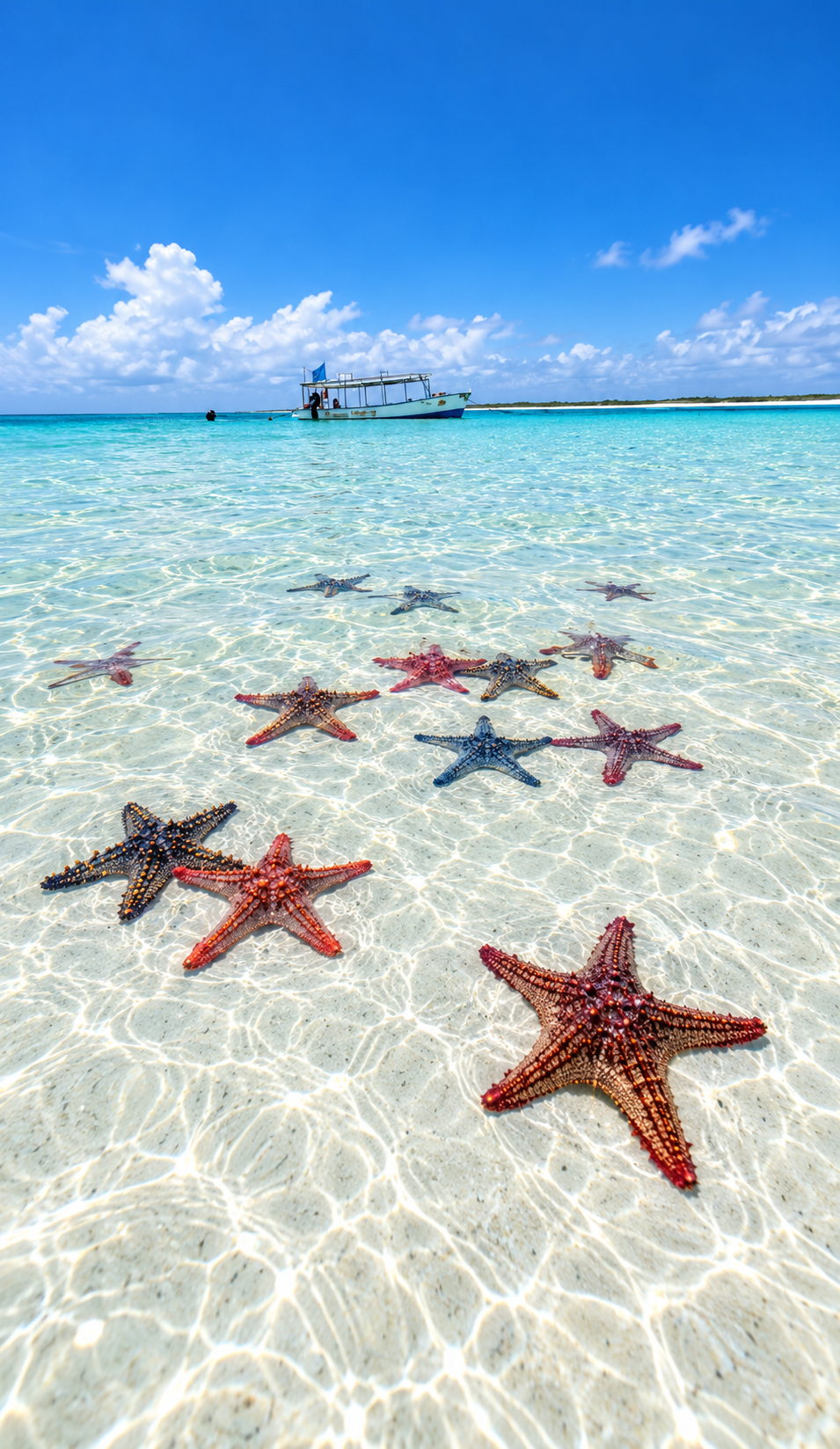
A short trip usually includes a boat ride to the Coral Garden, views of fish and coral through the glass bottom and an opportunity to snorkel.
Glass bottom boats are suitable for visitors who do not want to enter the water, although the quality of the underwater view depends on the day’s visibility.
Longer excursions may continue to Sardegna Due, also called Sardegna 2. Operators commonly describe it as a tide-dependent sandbank reached by a boat journey of roughly 7 kilometres, but the precise route and travel time vary.
The sandbank is most visible around low tide and is gradually covered as the water rises. Full day excursions may include snorkelling, swimming and a seafood lunch served on the boat or sandbank.
Before booking, ask whether the quoted price includes:
- KWS conservation fees
- Boat transport
- Masks, snorkels and fins
- Life jackets
- A guide in the water
- Lunch and drinking water
- Transport from your accommodation
- Refunds or rescheduling in rough weather
Wildlife sightings are never guaranteed. Visitors may encounter turtles, tropical fish, rays or dolphins, but a responsible operator should not promise a particular animal.
KWS Marine Park Fees
Walking along the public shoreline does not require a boat excursion ticket. However, visitors entering the protected marine park for snorkelling, glass bottom boat trips or other regulated marine activities must pay the applicable KWS conservation fee.
Anyone intending only to reach the public beach through the KWS compound should confirm the current gate and facility arrangements before travelling.
The KWS conservation fees current in August 2026 are:
| Visitor category | Adult | Child or eligible student |
|---|---|---|
| East African citizen | KSh 500 | KSh 250 |
| Kenya resident with a valid residence permit | KSh 675 | KSh 350 |
| African citizen outside the East African Community | USD 15 | USD 10 |
| Non-resident | USD 25 | USD 15 |
Children aged five and younger are exempt from the conservation fee. The chargeable child category generally covers children aged 6 to 17.
Student rates apply to students visiting through a documented educational arrangement organised by a recognised secondary school, college or university. A student card alone may not qualify someone travelling privately for the student rate. Visitors should confirm student eligibility directly with KWS before travelling.
Carry the appropriate national identity card, passport, residence permit and educational documentation.
Note: Entry fees can vary across different sources. KWS reserves the right to review and amend park entrance fees without prior notice. Check the official KWS website or eCitizen portal for the most current rates before travelling.
Parking charges: Vehicle parking charges are KSh 100 per day. Confirm how the charge applies before travelling.
Boat hire, snorkelling equipment, guides, food and hotel transport may all be charged separately.
Current KWS contacts are:
Hotline: 020 233 5684
Toll free: 0800 597 000
WhatsApp: +254 726 610 509
Guided Tours
KWS offers guided tours of the marine park. The current fees are:
| Service | Fee |
|---|---|
| Guided tour (up to 4 hours) | KSh 1,720 |
| Guided tour (over 4 hours) | KSh 3,015 |
Private tour operators also offer guided excursions with varying prices. Confirm what is included in the quoted price before booking.
Water Sports
A wide range of water sports is available at Malindi Marine National Park, including sailing, windsurfing, kite surfing, kayaking and jet skiing.
Note: Specific daily fees for independent walk-in water sport participants could not be verified from official KWS sources. Visitors should confirm current charges directly with KWS or authorised operators before participating.
Beachfront Hotels and Restaurants
Billionaire Resort & Retreat
Billionaire Resort & Retreat is one of Malindi’s more luxurious beachfront properties. It offers serviced accommodation, oceanfront pools, wellness facilities and the Billionaire Beach Bar & Grill.
The restaurant serves an à la carte menu beside the beach. Non-guests should reserve or confirm current access arrangements before visiting.
Kilili Baharini Resort & Spa
Kilili Baharini is a smaller beachfront resort with Swahili-inspired architecture, tropical gardens, five swimming pools, a spa, a restaurant and direct beach access.
Restaurant and day visitor arrangements should be confirmed before arriving.
Diamonds Malindi
Diamonds Malindi is the current name of the all-inclusive resort complex that brings together the former Diamonds Dream of Africa, Sandies Malindi Dream Garden and Sandies Tropical Village.
The expanded resort offers several accommodation categories, swimming pools, restaurants and bars, the Mvua African Rain Spa and organised activities.
Older maps and accommodation websites may still show Sandies Tropical Village or Diamonds Dream of Africa as separate properties.
Non-guests should confirm restaurant reservations and day visitor arrangements directly with Diamonds Malindi.
Rosada Beach & Restaurant
Rosada is a popular beach restaurant and bar known for pizza, seafood, sunbeds, music and evening events.
Its current public profiles advertise beach parties on Mondays and Fridays. However, schedules, starting times and entry charges can change, so confirm the specific night before travelling.
White Elephant Sea & Art Lodge
White Elephant Sea & Art Lodge is a beachfront hotel and restaurant that combines accommodation and coastal dining with an extensive collection of art and sculpture.
Its gardens contain galleries, sculptures and other installations. It generally offers a quieter environment than the sections associated with regular beach parties.
Most restaurants immediately facing the beach are midrange or upmarket. Less expensive local meals are easier to find away from the beachfront or in central Malindi.
Nearby Places to Combine With the Beach
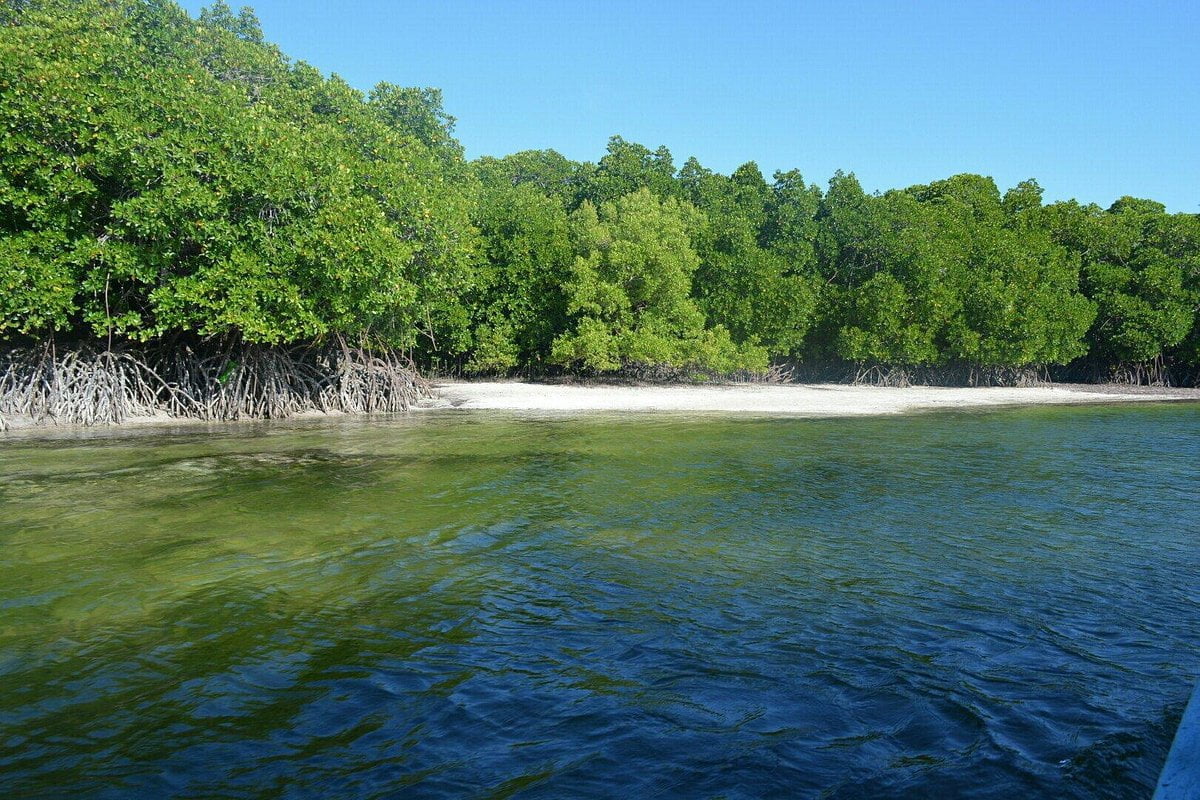
The most obvious neighbouring attraction is Malindi Marine National Park itself. The protected area contains coral gardens, seagrass beds, turtles, tropical fish and other marine life.
Other places that can be combined with a beach visit include:
- Vasco da Gama Pillar
- The Portuguese Chapel
- Malindi Museum
- Ndoro Sculpture Garden
- Silversands Beach
- Mayungu Beach
Ndoro Sculpture Garden normally operates by appointment, so contact it before travelling rather than arriving without notice.
Malindi Marine National Park also forms part of the wider Malindi-Watamu-Arabuko Sokoke UNESCO Biosphere Reserve.
Best Time to Visit
For an ordinary beach day, mid to high tide is often most convenient because the water is closer to the shoreline. Low tide is better for long walks and observing the exposed beach, but it is less convenient for swimming.
October to early March often provides favourable conditions for snorkelling and marine excursions, although clear water is never guaranteed. Visibility can change with the tide, wind, rainfall and sediment moving through Malindi Bay.
July to September is normally drier and pleasant for ordinary beach visits, but stronger winds can affect boat comfort and underwater visibility.
Late March through May is generally the main wet period along this part of the coast, sometimes continuing into June. Heavy rain, wind and rough conditions can reduce visibility and cause boat trips to be postponed.
Early morning is normally quieter on the beach. Boat departure times should be planned around the tide and sea conditions rather than a fixed time of day.
Late afternoon is more comfortable for walking and beachfront dining. Visitors using the open public beach should leave before dark unless they are staying inside an established hotel or restaurant and have arranged transport home.
Best For
Marine Park Beach is particularly suitable for:
- Swimming during favourable tides and sea conditions
- Quiet weekday beach visits
- Snorkelling and glass bottom boat trips
- Families able to supervise children closely
- Couples looking for a quieter resort coastline
- Beachfront dining
- Visitors staying along Casuarina Road
It may not suit visitors looking for inexpensive beachfront food, extensive free public facilities or a busy local beach atmosphere.
What to Carry
Bring drinking water, swimwear, a towel, a hat, sunscreen, water shoes and a waterproof pouch for your phone and valuables.
Carry identification if you intend to enter the marine park. Students seeking the student rate must also carry the required educational documentation.
Anyone taking a boat excursion should bring a light cover-up, personal medication and enough drinking water for the journey.
Reality Check
Marine Park Beach is a useful name for this section of the Casuarina coastline, but it is not one officially marked beach with universally agreed boundaries.
Casuarina Beach, Chui Beach, Tropical Beach and Silversands Beach overlap in local and online usage.
The water is not always turquoise or completely clear. The appearance of the beach changes significantly between low and high tide, and seaweed or natural tidal debris may be present after rough weather.
Most shade, toilets, sunbeds and dining facilities belong to hotels and restaurants. Visitors using the public shoreline should not expect continuous facilities along the whole beach.
Marine activities inside the protected area require payment of the KWS conservation fee. Boat hire, equipment, guides and lunch may involve additional charges, so obtain the complete price before boarding.