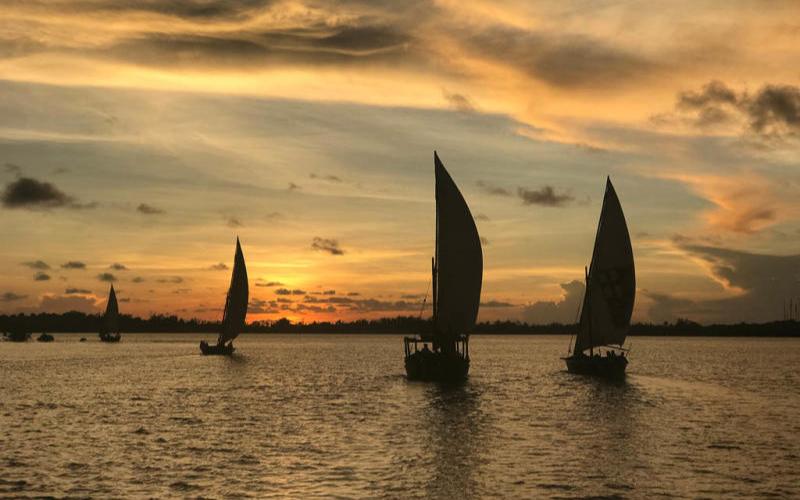



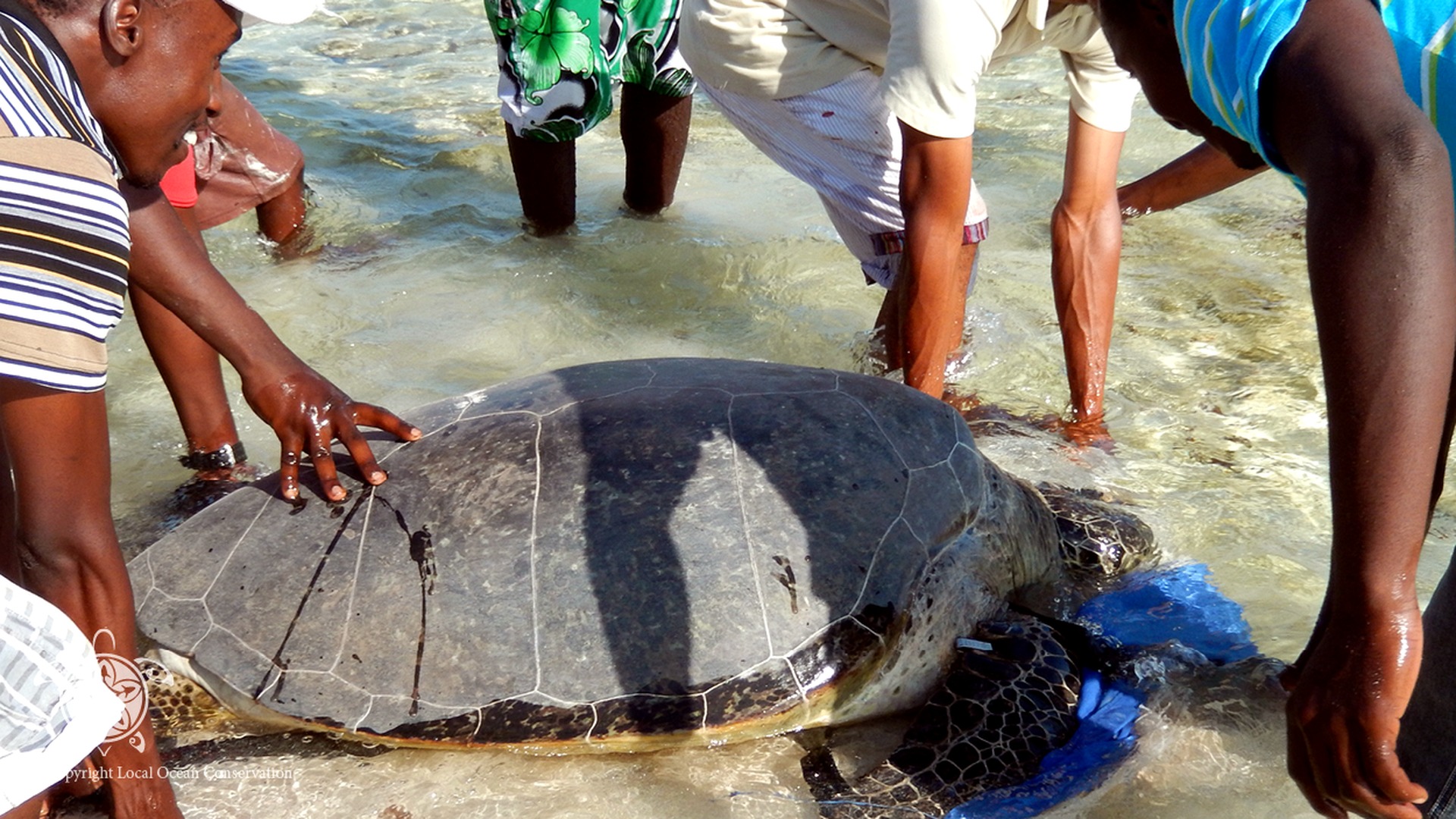
Before sunrise, the beach tells the truth. This is what the monitors see, and what visitors can do that actually helps.
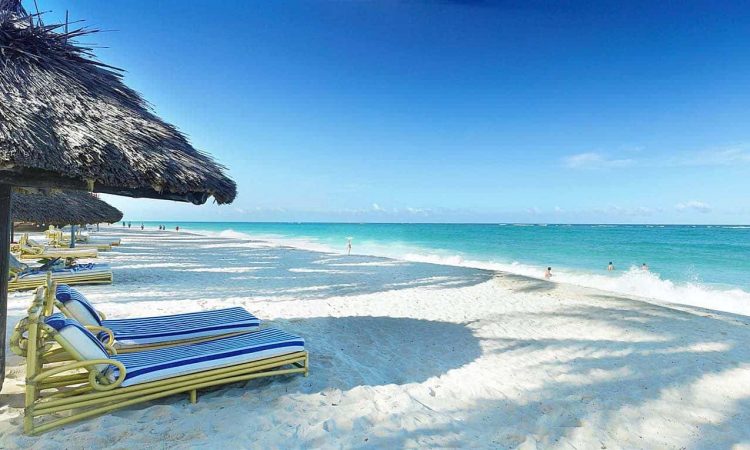
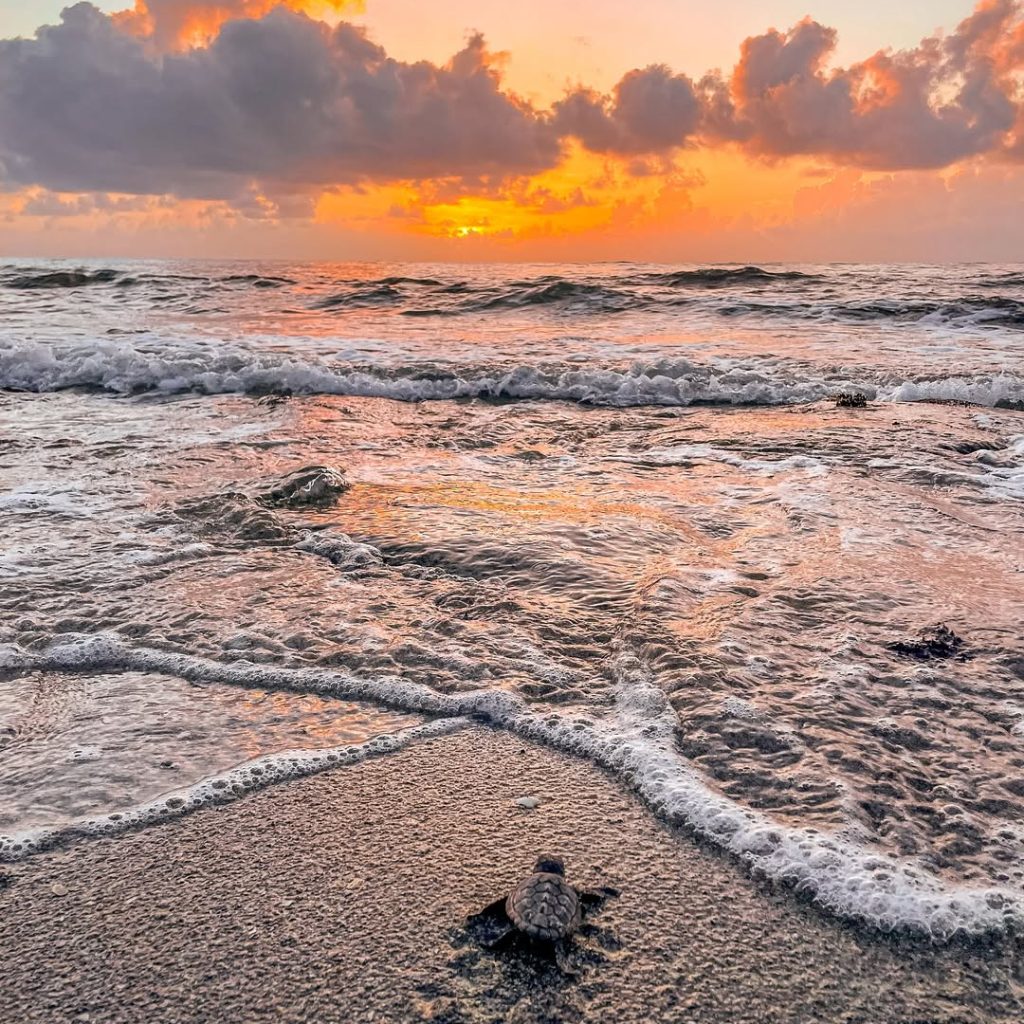
At 5:30 a.m. the beach is quiet in a way most visitors never catch. The tide is only just starting to pull back. The sand still shows last night’s mess. A dragged flip flop line. A bottle cap half buried. Yesterday’s footprints already softening at the edges. A few early walkers pass, but the people doing the most important work are looking down, scanning for tracks that did not come from humans.
A turtle’s path is easy to miss if you do not know what you are looking for. A wide sweep from the water. Sand pushed up where flippers dug in. A rough patch where she paused long enough to try. Sometimes it is a successful nest. Sometimes she turns back without laying. Sometimes the nest is in the wrong place and will not survive unless somebody gets there early.
That is where Diani Turtle Watch (DTW) comes in.
DTW is a programme under Local Ocean Conservation, a Kenyan nonprofit organisation that began turtle conservation work in Watamu in 1997, and later established Diani Turtle Watch in 2012 to protect turtles along the Diani coastline. The programme operates from the Marine Education Centre at The Nomad Beach Resort.
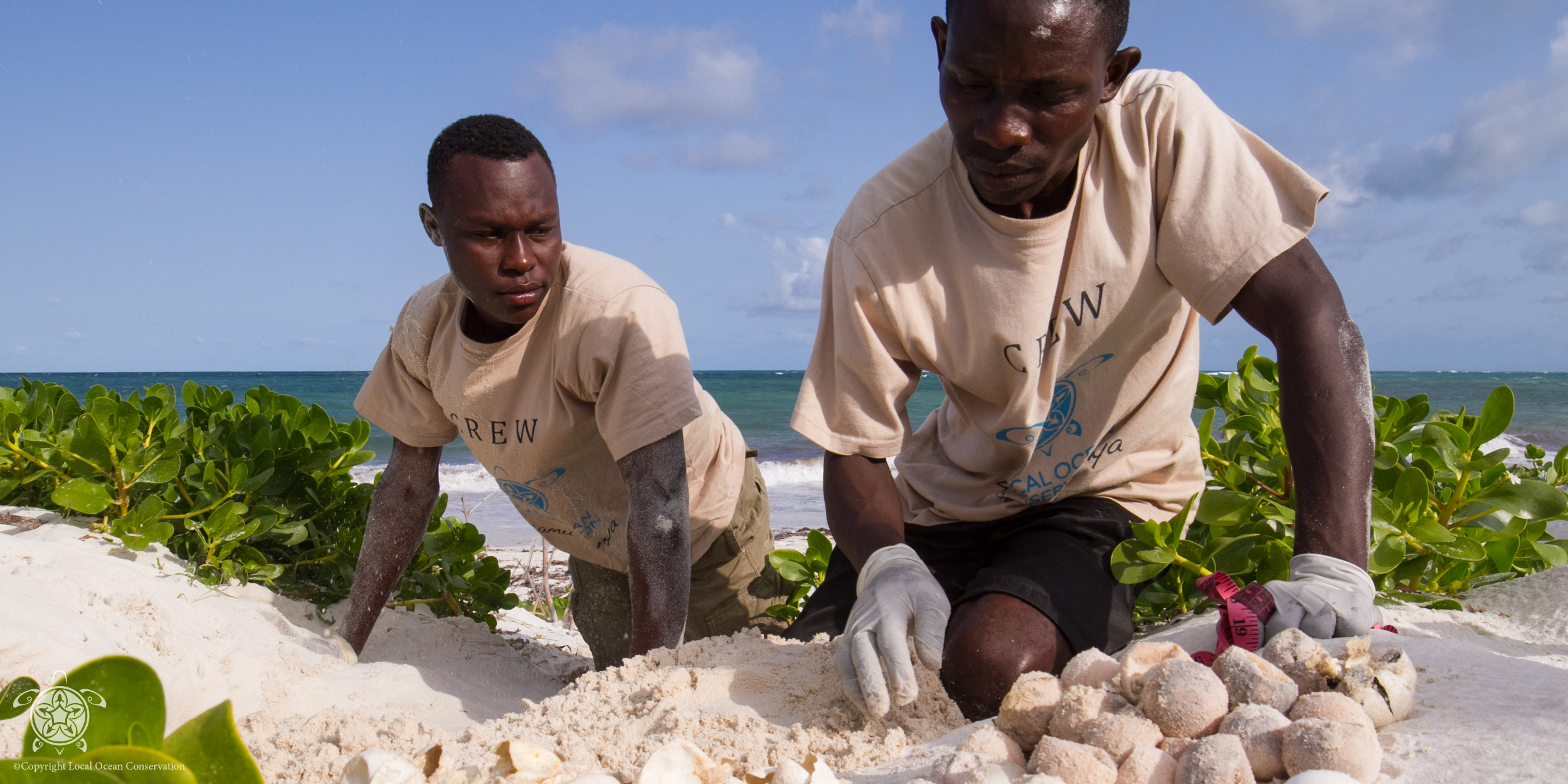
This is what conservation looks like on a busy tourist beach. Long walks. Early mornings. Difficult calls. A community learning how to share a coastline with creatures that have been returning here for generations.
Quick facts (verified)
Who: Diani Turtle Watch (DTW), under Local Ocean Conservation
Base: Marine Education Centre at The Nomad Beach Resort
Support option: Adopt a Nest
Adopt a Nest contact: +254 758 961 322
In this guide
- Why sea turtles matter in Diani
- The Diani Turtle Watch Centre
- Nesting seasons and turtle species in Diani
- Inside the morning patrols
- The main threats facing sea turtles in Diani
- Adopt a Nest
- How visitors can help without getting in the way
- Quick planning guide for visitors
Why sea turtles matter in Diani
To most people, sea turtles are simply beautiful. Calm, ancient looking, harmless. But they also do real work in the ocean.
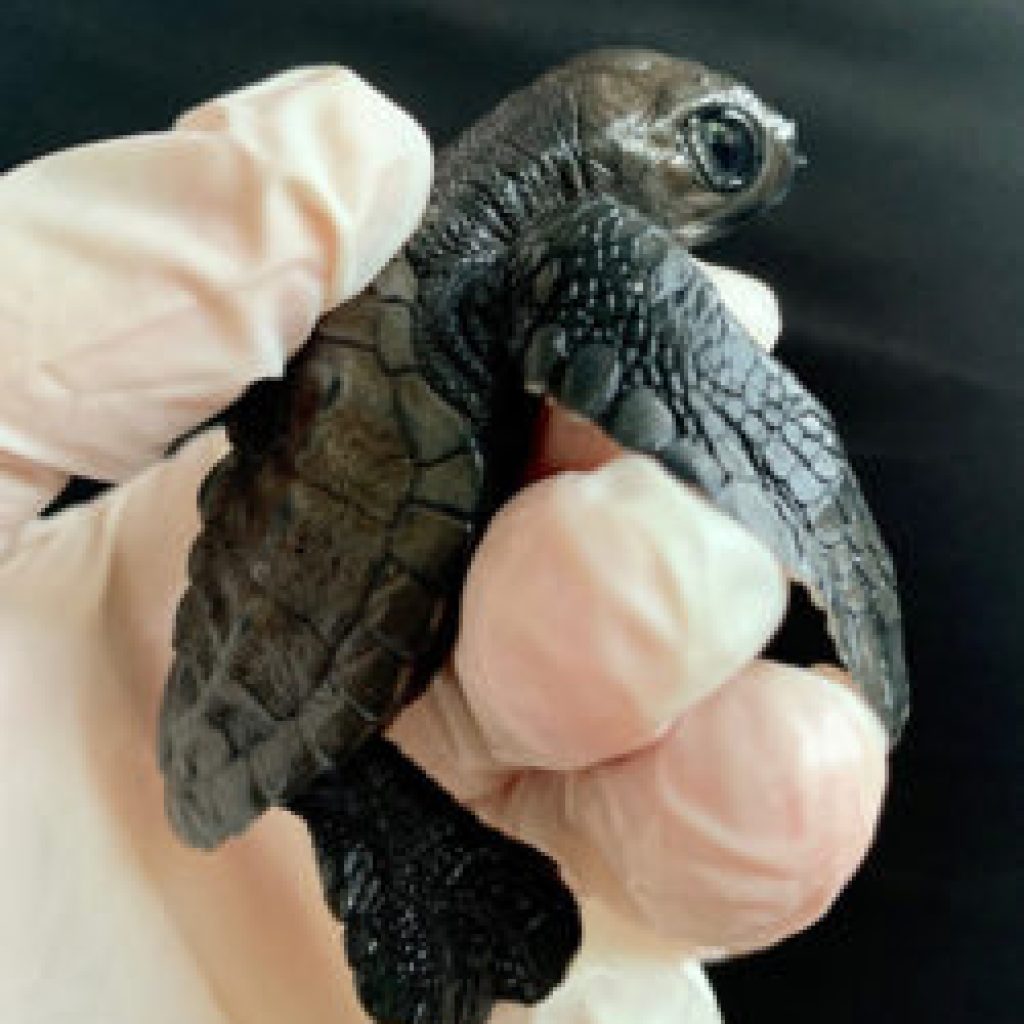
Green turtles graze seagrass meadows. Those meadows are underwater nurseries for fish and important carbon sinks. When seagrass grows unchecked, it can start crowding out the balance other marine life depends on.
Hawksbill turtles feed on sponges on coral reefs. That matters because sponges can spread aggressively, and without hawksbills they can overwhelm coral growth.
When turtles thrive, reef and seagrass systems tend to do better too. That affects fish populations, the long term health of the coast, and the tourism that depends on a living ocean.
Why this matters, in plain terms
- A living ocean supports the tourism economy
- Healthy seagrass supports fish nurseries
- Healthy reefs support coastal biodiversity
The Diani Turtle Watch Centre
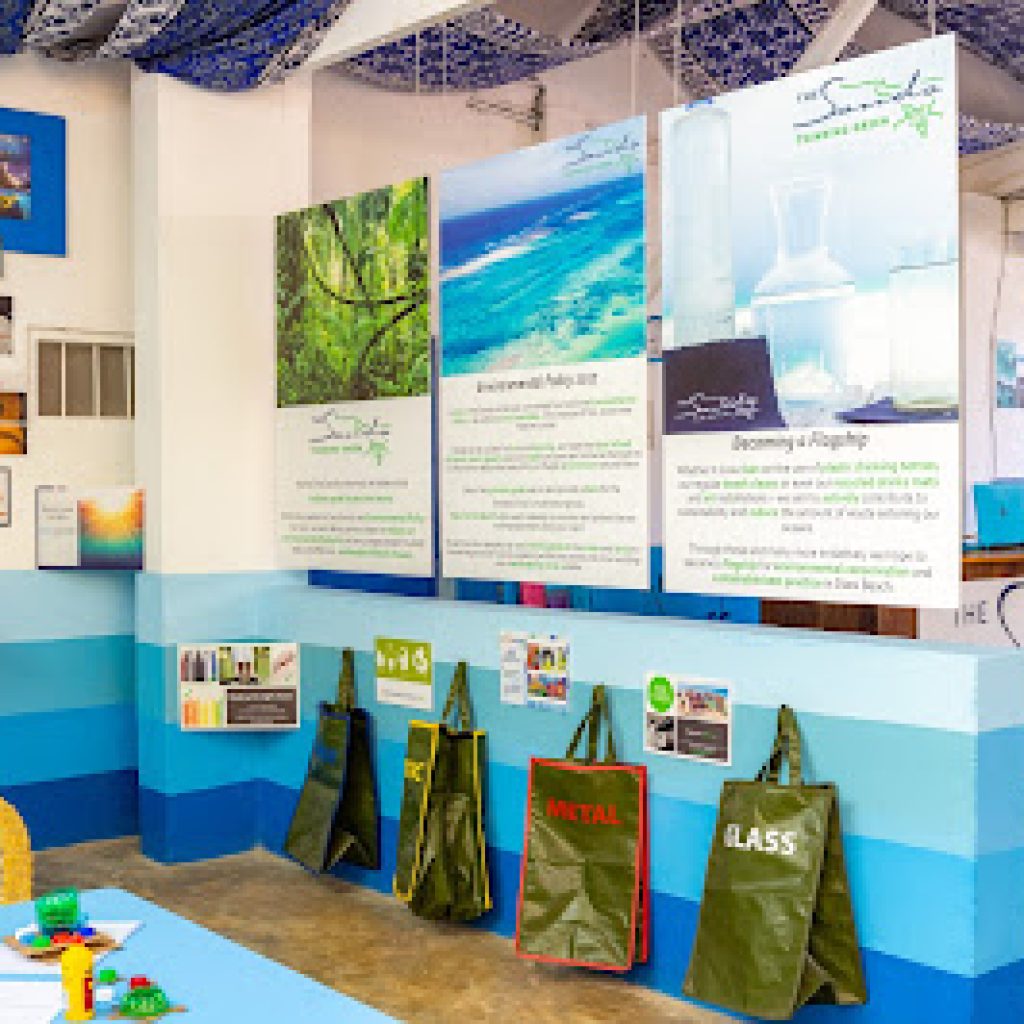
DTW’s hub sits along the South Coast at the Marine Centre at Nomad Beach Resort. The centre operates as a working base, part education space, part coordination point, part research and reporting hub.
It is not polished in a museum way. It feels like a place where people actually work.
What to expect:
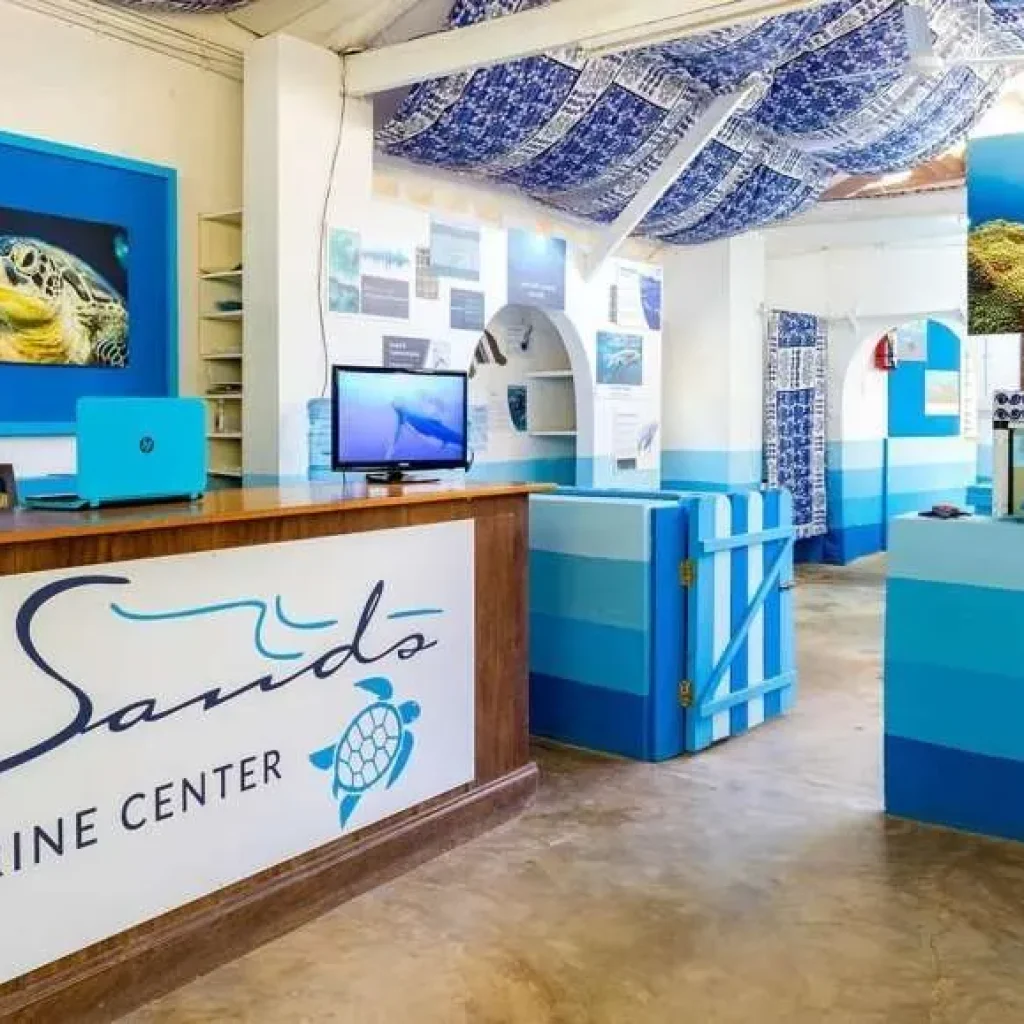
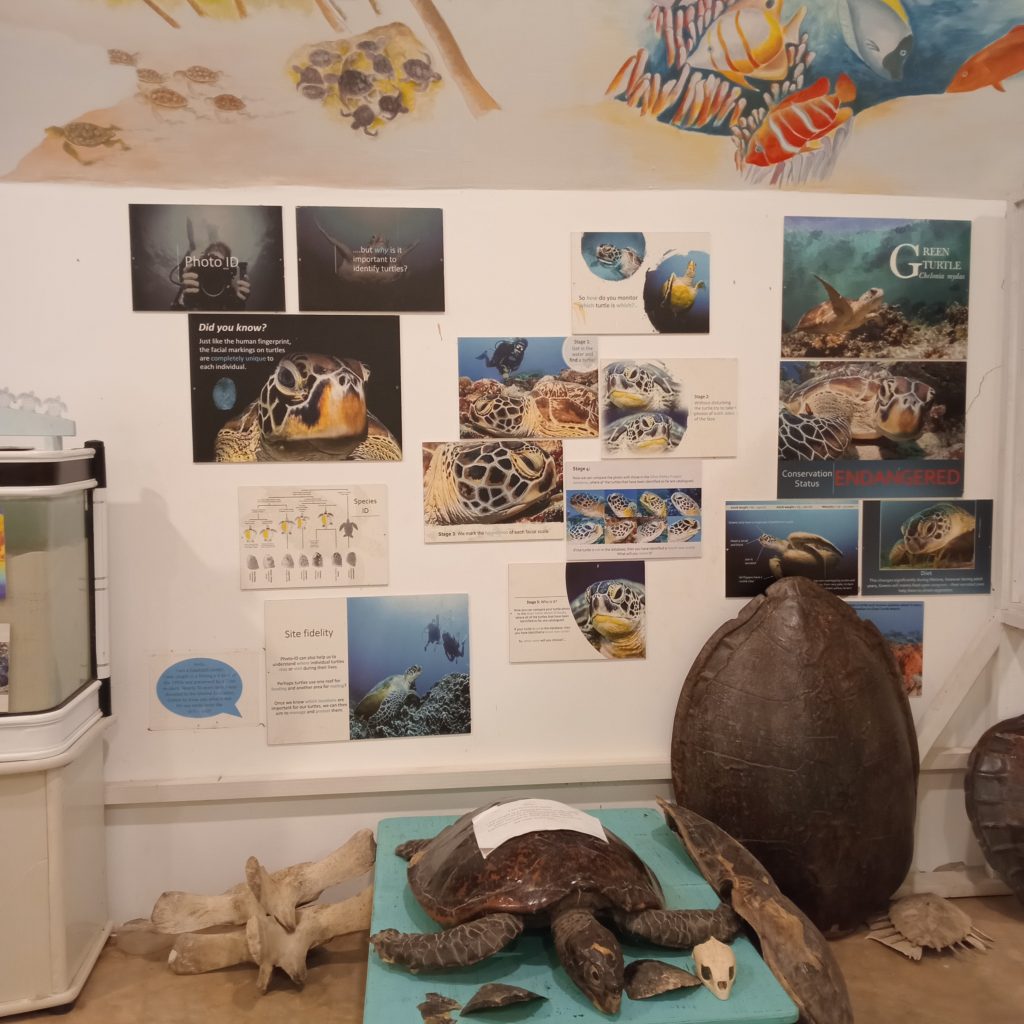
- rescue and release stories
- hatchling photos and nesting notes
- maps tracking turtle movement
- information on threats like light pollution, plastics, and ghost nets
Once inside, visitors learn the basics that most beach conversations skip:
- how turtles choose nesting sites
- what happens during nesting season
- what threatens nests and hatchlings
- what success actually looks like on a busy tourist beach
This centre is where visitors become informed supporters, and where local beach operators, students, and community members connect to the work.
Nesting seasons and turtle species in Diani
DTW monitors approximately 30 km of coastline, from Kongo River to Funzi Island. Beaches differ. Some are busy and bright. Others, like Chale and Funzi, can be quiet enough that nests are sometimes left in place with no relocation.
Three turtle species are recorded along the Diani coast:
- Green turtles, the peaceful grazers (primary nesting species)
- Hawksbill turtles, the coral guardians (primary nesting species, critically endangered)
- Olive ridley turtles, the ocean wanderers (rare, occasional sightings recorded, monitored in collaboration with other partners)
Nesting activity has continued consistently across recent seasons, including 2024, 2025, and 2026, as part of DTW’s ongoing monitoring and protection work along the South Coast.
A single nest can hold 80 to 200 eggs. The eggs are buried like a sealed container under the sand and incubate for roughly 60 days.
One detail people do not expect is that sand temperature influences sex. Cooler sands tend to produce more males. Warmer sands more females. That means climate and beach conditions do not just affect survival, they shape future populations.
In calmer places like Chale and Funzi, some nests are left exactly where they are, with no relocation and no intervention, because conditions are still quiet enough to keep predators and people away.
Inside the morning patrols
DTW monitors patrol early because the beach tells the truth before it gets walked over.
They look for:
- fresh turtle tracks from sea to sand
- new nests or nesting attempts
- predator signs (dogs, mongooses, snakes, birds)
- human footprints too close to nesting zones
- debris that can trap hatchlings or injure adults
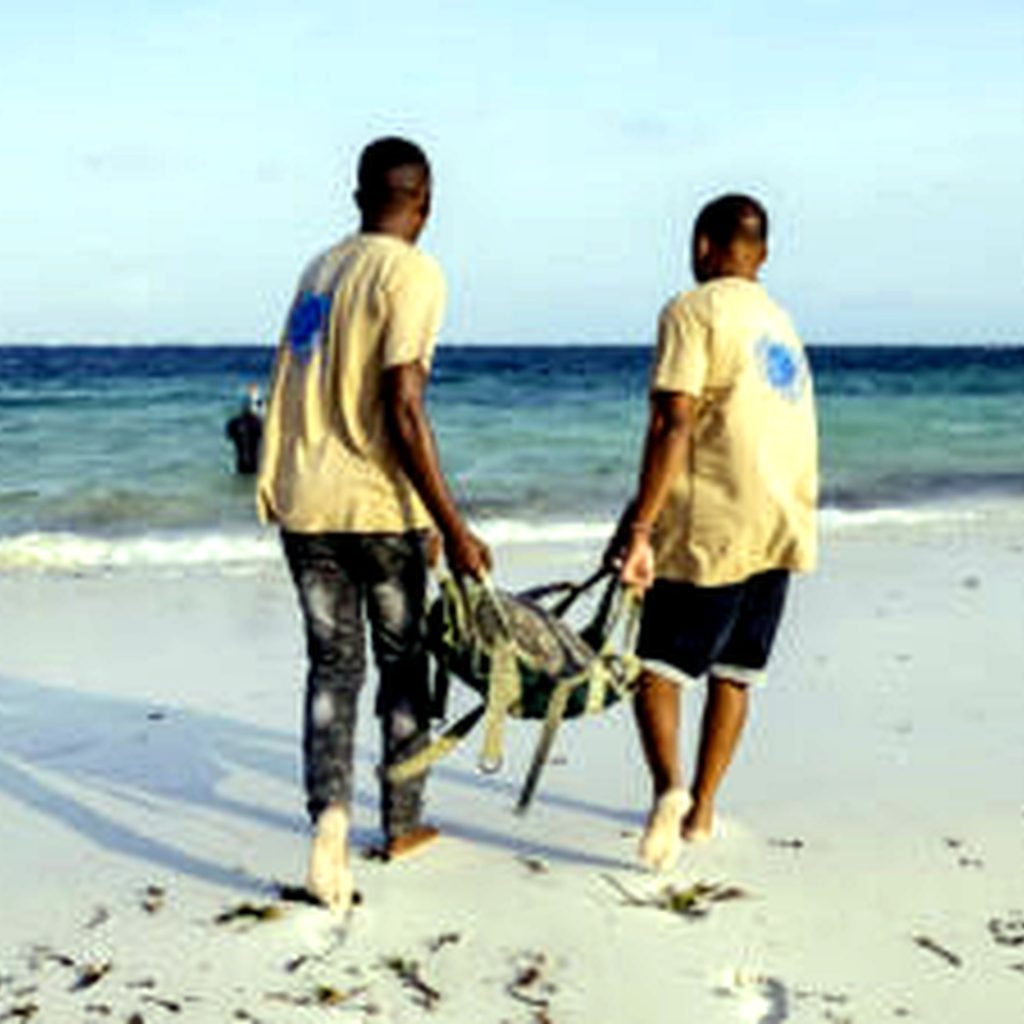
Their work includes:
- recording nests and monitoring incubation periods
- relocating nests that are at risk (erosion, high traffic, dog zones, illegal take)
- removing plastics and ghost net remnants
- ensuring hatchlings reach the sea safely
During peak periods, patrols can extend into the night. Slow, careful walks under starlight to protect nesting mothers and keep interference low.
DTW also uses satellite tagging to track mothers across the region. Journeys can stretch between Kenya, Tanzania, Mozambique, and the Seychelles, before they return to lay again.
The main threats facing sea turtles in Diani
DTW deals with beauty and danger in the same frame. The main threats include:
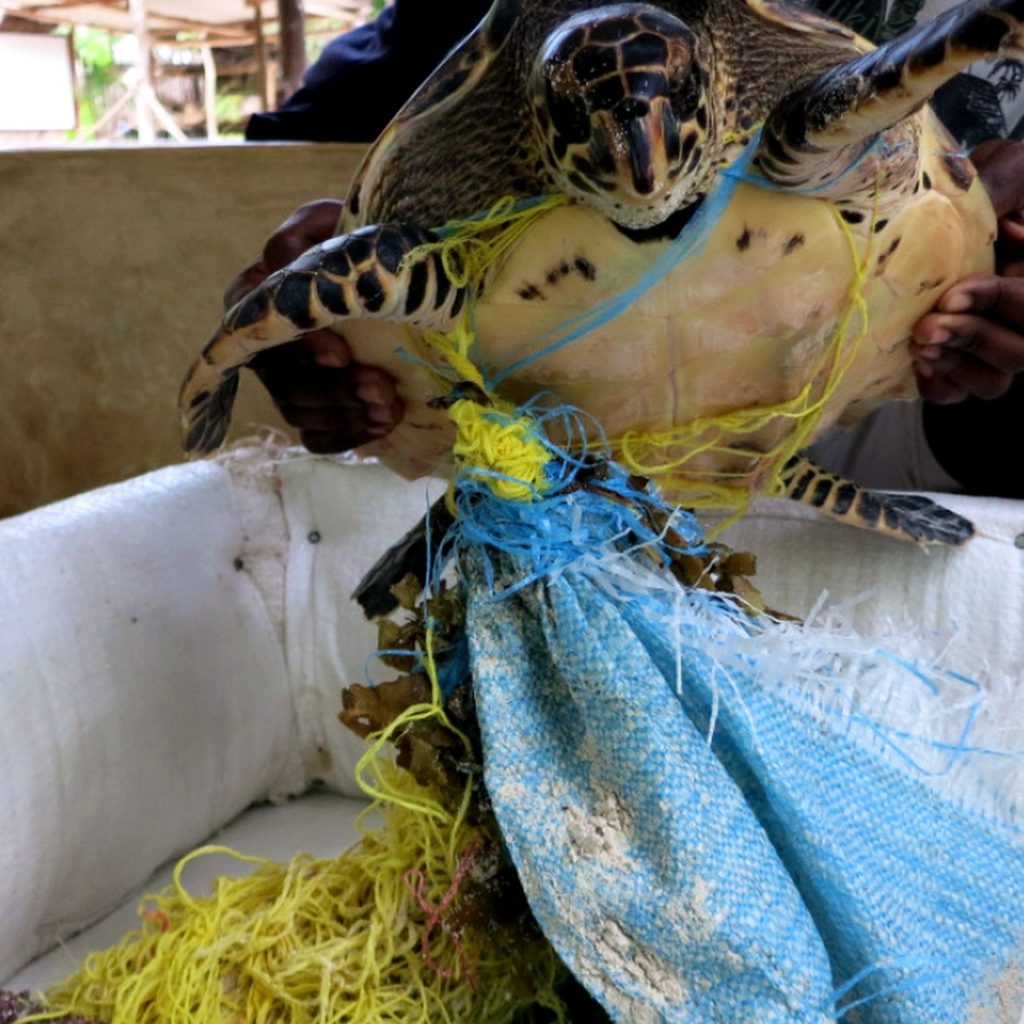
- ghost nets, drifting nets that entangle and drown turtles
- plastic debris, often mistaken for food
- predators, stray dogs, mongooses, snakes, birds
- coastal development, which changes sand profiles, encroaches into nesting sites and blocks nesting paths
- light pollution, which redirects hatchlings away from the sea
- unsustainable fishing, injuries and bycatch
- community mistrust, limited awareness and weak support structures
- climate change, impacting sex ratio of hatchlings, shifting tides, impacting nesting success
Some threats are dramatic. Most are slow and ordinary. That is what makes them dangerous.
Adopt a Nest
DTW runs a programme that gives people a simple, direct way to support the work: Adopt a Nest.
Adoption options include:
• KES 3,500 for Kenyan residents, supporting on the ground conservation work in Diani
• USD 35 for non residents and international supporters, via Local Ocean Conservation
Inclusions may vary depending on adoption method, and are kept intentionally broad.
That money supports:
• patrol equipment
• monitors’ allowances
• rescue operations
• community education
• nest relocation materials
Adoption contact: +254 758 961 322
How visitors can help without getting in the way
You do not need to be a scientist to support turtles. The most helpful behaviour is usually the simplest:
- keep lights off or low when walking the beach at night
- never approach, crowd, or block a nesting turtle
- reduce plastic use, and dispose of waste properly
- join beach clean ups when you can
- visit the DTW Centre and learn what is happening locally
- support through donation or nest adoption
- report turtle sightings to monitors
Tourism and conservation do not have to be enemies here. In Diani, they can support each other, but only if visitors treat the beach like a living place, not just a backdrop.
As sunset comes on, Diani slips back into its beach mood. Music from the bars. People rinsing off salt. The last kitesurfers packing up. It is easy to believe the ocean takes care of itself.
But the next morning, monitors are back on the sand, checking tracks before the day erases them. Most visitors never see that part.
If you do nothing else, keep your lights low at night and call the monitors when you spot a turtle. On a beach this busy, small choices are the difference between a nest that makes it and one that does not.
Quick planning guide for visitors
Start at the Diani Turtle Watch Marine Centre at The Nomad Beach Resort in Diani, Kwale County . Even a short visit gives you the basics on nesting season, common threats, and what to do if you see a turtle.
Best time to go
Aim for early morning. Patrols often start at dawn, while tracks and nesting signs are still intact.
Entry fees
- KES 200 (residents)
- KES 500 (non-residents)
- Children under 12: free
Turtle-safe beach rules
Do
- Call the monitors for a nest assessment.
- Do not step on or flatten the track line
- Do not dig or probe the sand
- Keep people and dogs back
Don’t
- Touch or crowd
- Use flash
- Dig near nest areas
- Block turtles’ path
What to carry on an early beach walk
- a bottle of water
- shoes or sandals you can slip on and off
- a light layer for the early breeze
- a small bag for any trash you pick up
- your phone with the DTW contact saved
How to support (simple ways)
- Adopt a Nest
- Visit the Centre
- Share the event/updates
- Follow Local Ocean / DTW
- Volunteer / donate
To adopt a nest, contact DTW: +254 758 961 322