

Kenya’s beaches and islands sparkle with soft white sand, clear turquoise reefs and swaying palm trees. Stretch out on Diani’s endless shoreline, slip beneath the waves to explore the coral gardens of Kisite and Watamu, or wander Lamu’s sunlit lanes lined with ancient Swahili stone houses. Whether you crave peaceful solitude, vibrant marine encounters or a gentle dhow cruise at sunset, each beach and island offers a slice of coastal paradise that feels unmistakably Kenyan.
WHERE TO GO
Find your place on the Coast.
Start with the Coast’s best-known destinations, or explore by region and discover somewhere less familiar.
Find your place on the Coast.
Explore all destinations
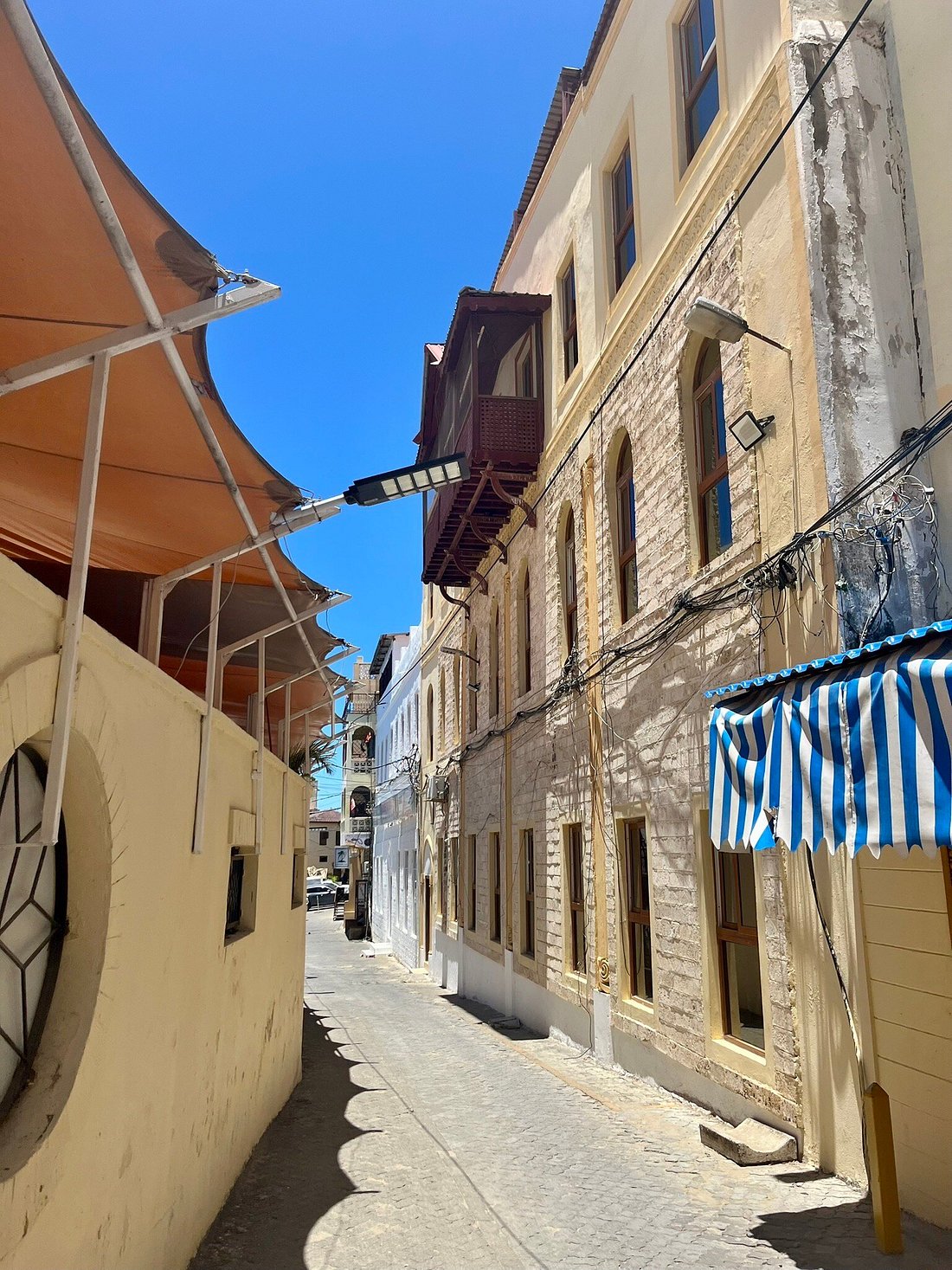 Mombasa
Old Town, beaches + city life
Mombasa
Old Town, beaches + city life
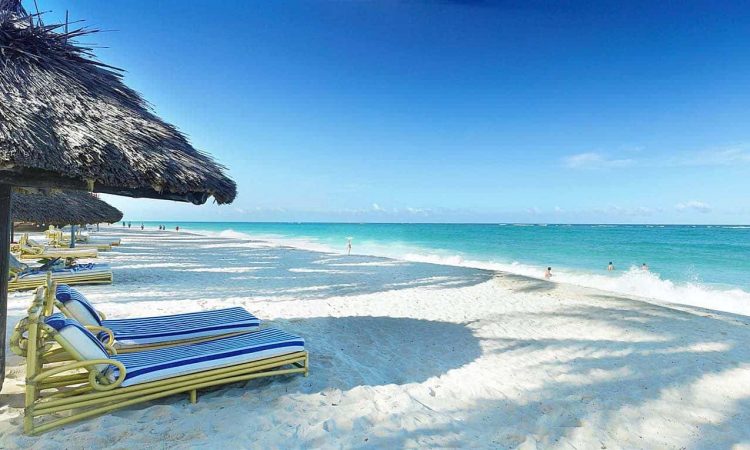 Diani + South Coast
White sand, stays + South Coast experiences
Diani + South Coast
White sand, stays + South Coast experiences
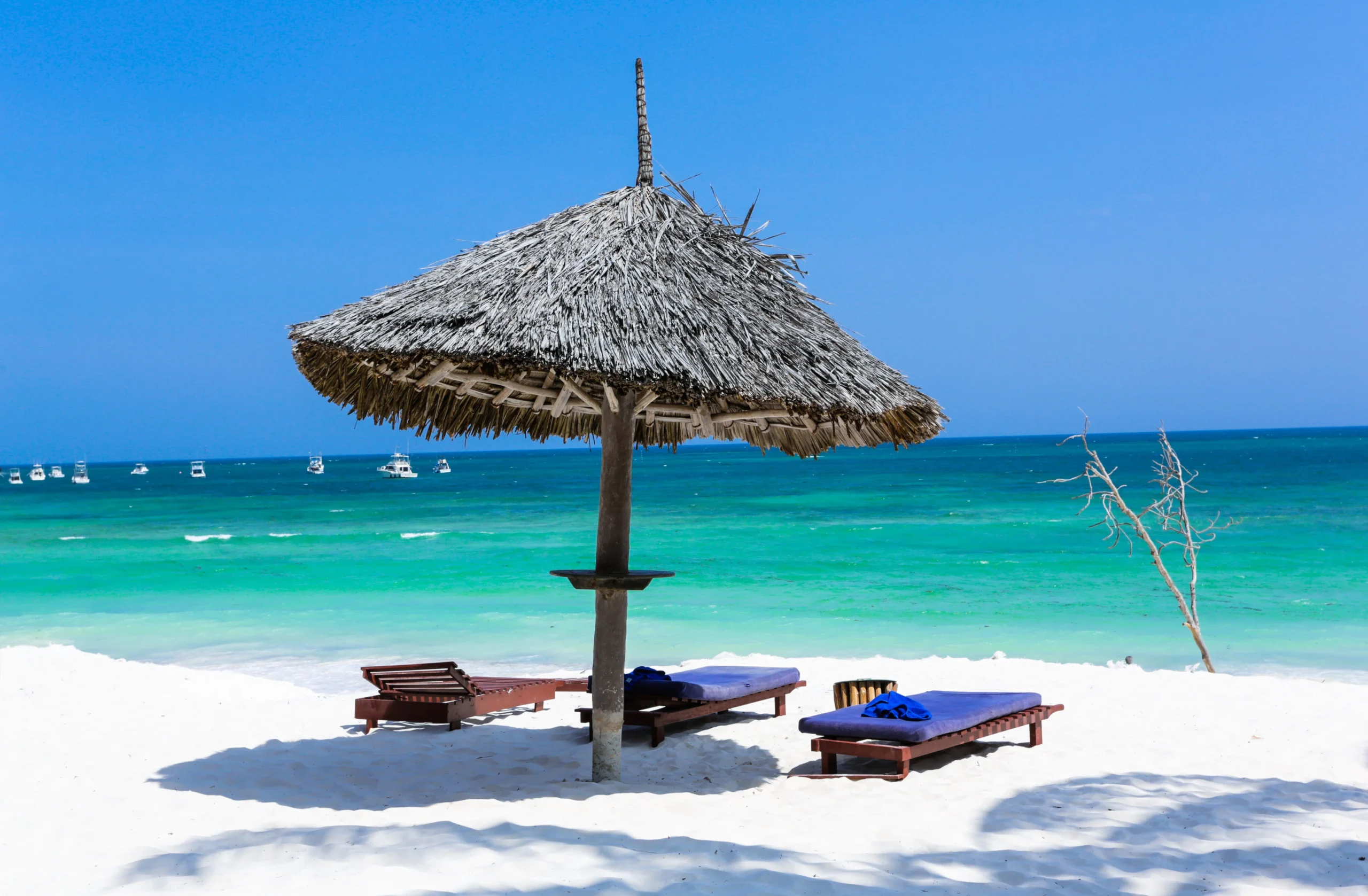 Nyali
Beaches, dining + city convenience
Nyali
Beaches, dining + city convenience
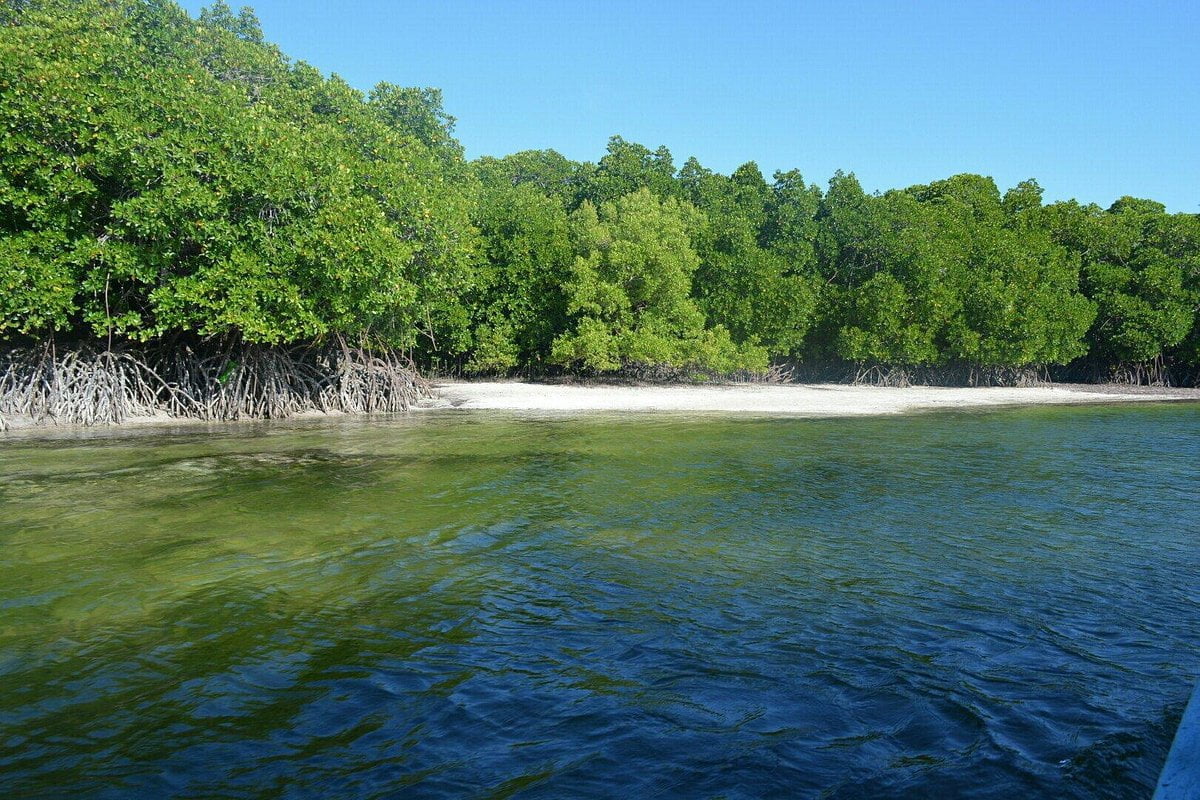 Watamu
Marine life + beach escapes
Watamu
Marine life + beach escapes
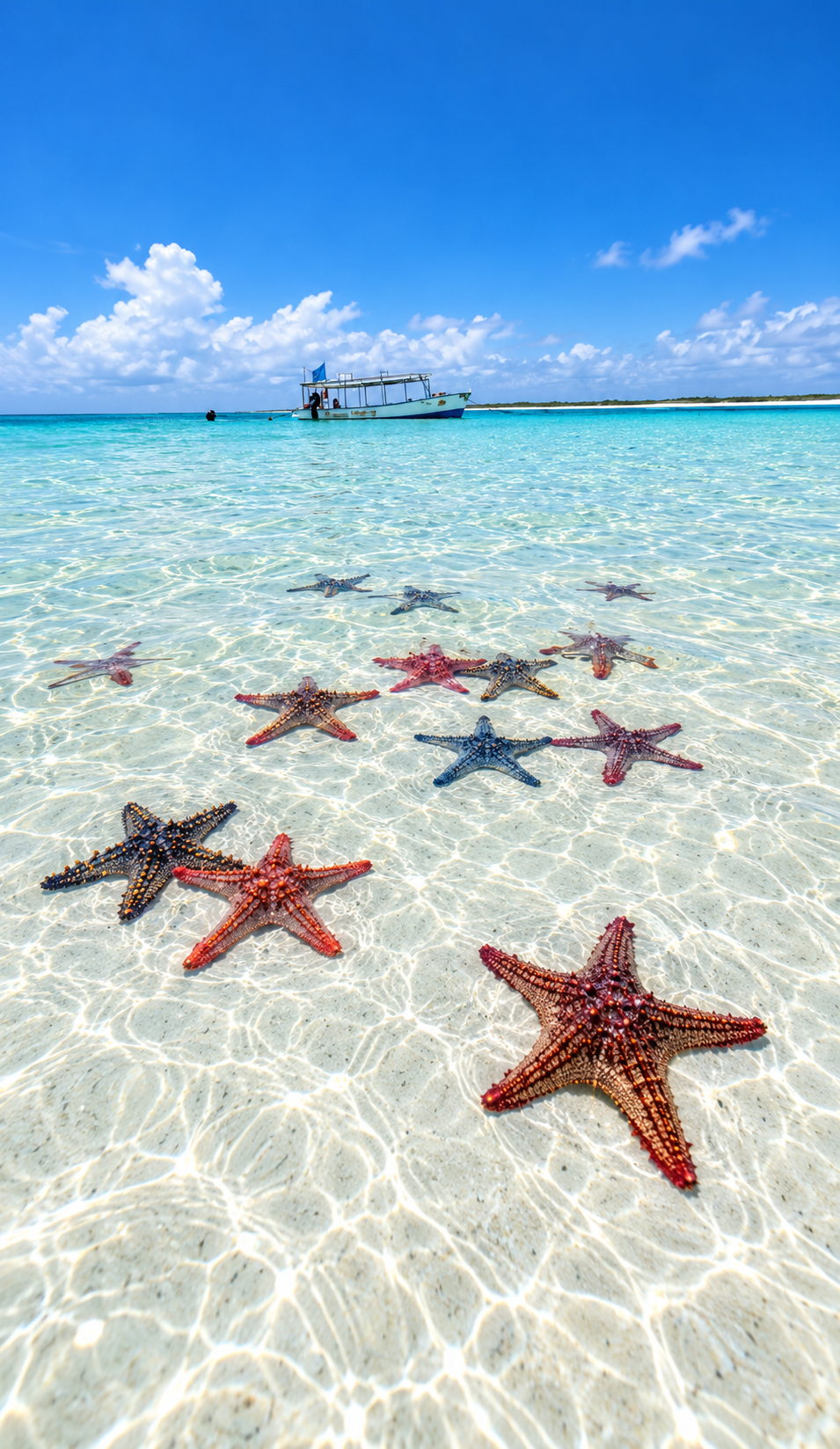 Malindi
History, food + northern Coast
Malindi
History, food + northern Coast
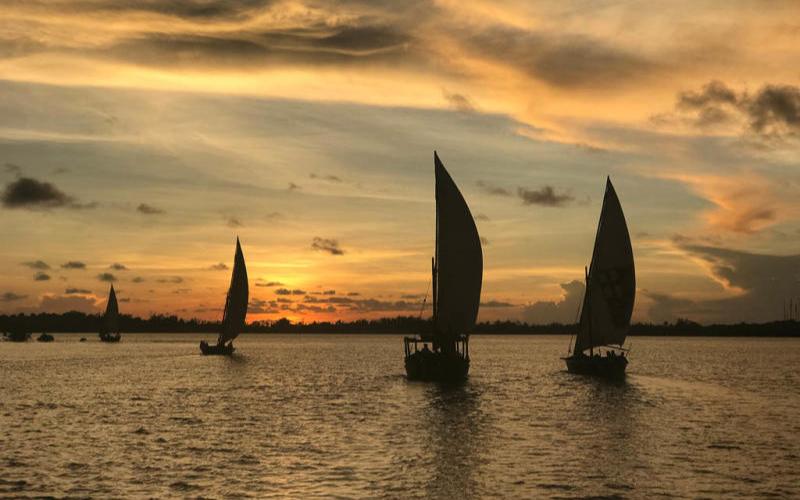 Lamu
Island streets + Swahili culture
Lamu
Island streets + Swahili culture
 Beaches
Diani · Galu · Tiwi · Nyali · Bamburi · Shanzu · Watamu · Malindi Marine Park · etc.
Beaches
Diani · Galu · Tiwi · Nyali · Bamburi · Shanzu · Watamu · Malindi Marine Park · etc.
Explore by county
WHERE TO STAY
Find somewhere worth waking up in.
From full-service beach resorts to private houses, small hotels and wild escapes, find the stay that fits your trip.
BROWSE STAYS
Explore all stays
Hotels + Resorts
Full-service stays, pools, restaurants + resort life
Villas + Beach Houses
More space, more privacy + stays made for sharing
Apartments + Self-Catering
Your own space for weekends, families + longer stays
Hostels
Social + budget-friendly
Lodges + Camps
Nature stays, island hideaways + inland escapes
EXPERIENCE THE COAST
Make more of your time on the Coast
Get in the water, follow centuries of history, head into the wild or find something you didn’t know was here
FIND SOMETHING TO DO
Explore all things to do
Experiences
Activities, workshops, adventures + memorable things to try
Tours
Guided trips, day tours + ways to explore further
Attractions + Entertainment
Landmarks, museums, ruins + places worth visiting
Culture + Heritage
Historic places, traditions + Coast culture
Nature + Wildlife
Marine life, forests, sanctuaries + wild landscapes
Volunteer + Conservation
Community projects, wildlife work + ways to give your time
Taste the Coast
Come hungry.
Swahili food, seafood, cafés and places worth crossing town for.
Food + drink
Explore all food & drink
Restaurants
Browse by destination, cuisine + mood
Beach Restaurants & Bars
Oceanfront places worth a meal
Local Food
Swahili dishes, Kenyan favourites + everyday local eats
Cafés
Coffee, breakfast, brunch + afternoon stops
Bars + Nightlife
Beach bars, pubs, lounges, music + late nights
New Openings
Recently opened and newly added places
ON THE COAST
See what’s happening on the Coast.
Live music, food, festivals, markets, family days and one-off events worth making plans for
BROWSE EVENTS
See all events
Events
Browse upcoming Coast events
Events in Diani & South Coast
upcoming events in Diani & South Coast
Events in Mombasa
Browse upcoming events around Mombasa, Nyali, Bamburi, Shanzu
Performers
Artists, DJs, musicians + people appearing on the Coast
Music + Nightlife
Live music, DJs, parties + nights out
Venues
Clubs, hotels, cultural spaces + places hosting events
Organisers
Promoters, collectives + the people behind the events
This Weekend
Make plans for Friday, Saturday + Sunday
Halloween & Oktoberfest
Seasonal parties, festivals & celebrations
CURRENT OFFERS
Find something worth grabbing.
Current offers from businesses across the Coast — from food, stays and experiences to shopping, beauty, transport and everyday services.
BROWSE OFFERS
See all offers
Eat + Drink
Restaurant deals, brunches, happy hours + food specials
Stays
Hotel nights, resort packages + accommodation offers
Things to Do
Tours, experiences, attractions + entertainment deals
Shopping + Retail
Fashion, gifts, home, electronics + local shopping offers
Beauty + Wellness
Spas, salons, beauty, fitness + self-care offers
Services
Local services, photographers, professionals + everyday offers
Packages + Bundles
Combined offers, seasonal packages + multi-service deals
Seasonal Offers
Festive, school-holiday, Valentine’s, Easter, Eid + long-weekend offers
Before you go
Make the Coast easier to navigate
Work out when to go, how to get there, how to move around and what to know before you arrive
TRIP PLANNING
Plan your trip
Getting to the Coast
Flights, SGR, buses + road connections
Entry + eTA
Passport, eTA, entry requirements + official links
Transport + Car Hire
Cars, transfers, taxis, drivers + local transport
Itineraries
One day, a weekend or a longer Coast trip
When to Go
Seasons, crowds, rainfall + the best time for your trip
Weather + Sea Conditions
Forecasts, tides, sunrise, wind + ocean conditions
Safety + Local Know-how
Useful advice for beaches, towns, transport + nights out
Travel Essentials
Money, SIMs, power, health basics + practical information
THE COAST, AS PEOPLE SEE IT
See the Coast through people who are here.
Photos, videos, discoveries and everyday moments shared by locals, travellers and creators across the Coast.
DISCOVER
Explore Coast Moments
Latest Moments
See what people are sharing across the Coast now
Personal Following feed
New moments from people and places you follow
Following
Creators
Meet the people sharing life on the Coast
Explore by Place
Moments from Mombasa, Diani, Watamu, Lamu + beyond
Following
Moments from people and places you follow
STORIES, GUIDES + LOCAL KNOWLEDGE
Understand the Coast, not just visit it.
Guides, reviews, people, food, culture and reporting from across Kenya’s Coast
EXPLORE OUR EDITORIAL
Read everything
Guides
Useful, researched ways to experience the Coast
News
What’s changing across the Coast
Reviews
Places, stays, food + experiences we’ve tried
Meet The Locals
Meet the people shaping life along the Coast
Food Stories
Dishes, drinking culture + the people behind them
Coast Life
Deeper pieces about neighbourhoods, nightlife, markets, trends and everyday life
Nature + Conservation
Wildlife, marine life + the people protecting it


 Sally
Sally 
