
I Walked 24 Kilometres from Likoni Ferry to Kongo River in Diani
-
BY may
- July 22, 2026 10:17 am
- no comment
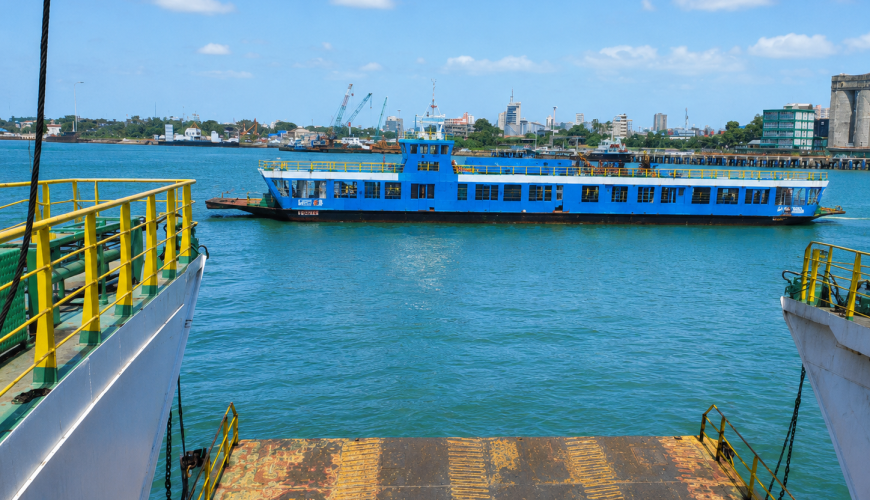
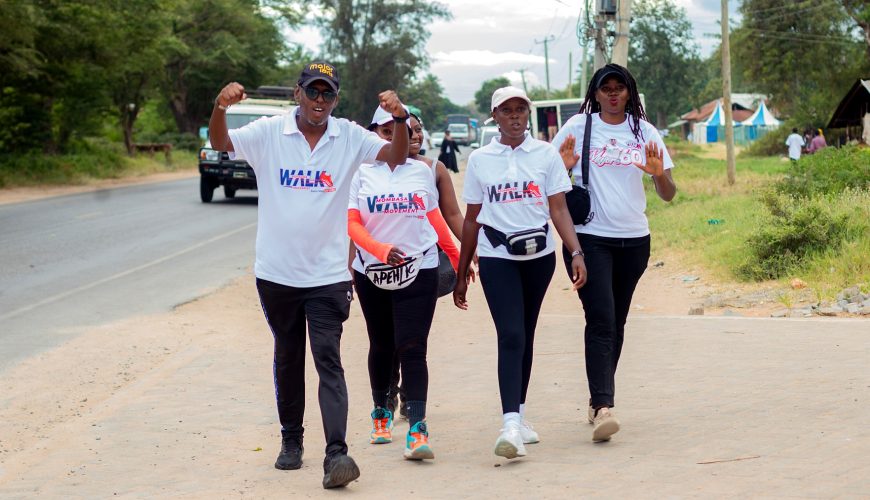
I have never left the house and failed to encounter something unbelievable. Not once. This particular morning began with a 24-kilometre walk from Likoni Ferry to Kongo River in Diani. I left home at 4.34 a.m., slightly worried that I might not find a matatu that early. I did. It turns out Mombasa wakes up much earlier than I thought. The fare was KSh 70, cheaper than the morning rush-hour price, which is usually between KSh 80 and KSh 100. At Lights, near Kengeleni, several passengers alighted, giving a man seated at the back a chance to finally say hello. He had recognised the branded Mombasa Walk Movement T-shirt I was wearing. He was joining the walk too. I sat beside him, and we started talking about the walks and how they seem to sneak up on you. One moment, you are living comfortably as a nocturnal homebody. The next, you are awake at 4 a.m., moving mountains to make sure you do not miss a single walk. There was hardly any traffic. Apart from the stop at Kengeleni, the matatu was moving so quickly that there would have been little advantage in taking an Uber or Bolt. Just as that thought crossed my mind, we heard a loud bang. The matatu had a puncture. We were already within walking distance of the ferry, but I wanted to arrive on time. Getting there early means you have time to stretch and can begin the walk at a relaxed pace instead of rushing to catch up. The conductor inspected the damage and hailed a tuk-tuk before we had even properly climbed out. Only four passengers remained. Everyone else had alighted at Saba Saba or Posta. The conductor paid the tuk-tuk driver, and our journey continued. The driver was deeply sympathetic about the puncture, even though it had barely delayed us. He asked about our plans for the day and helped us find the place where the other walkers had gathered. We almost convinced him to join us. It was only 5.09 a.m., and I had already made two new friends. Mombasa really is a hospitable town. I walked around the gathering crowd to see whether “my people” had arrived. Humans really are social creatures. Show up somewhere consistently, and you are bound to find someone you become fond of. Unless you are a motivational speaker. Then we might avoid you. My people were there, and we took some photographs. Photos are important. Always take them. They hold memories that become more valuable with time. At 5.30 a.m., we began moving towards the ferry. Pedestrians normally enter through a gated area where security officers conduct checks before allowing people into the waiting enclosure. There are separate seating areas for women and men, although the arrangement is not enforced so strictly that someone will immediately ask you to move. Because our group was large and the walk was organised, we were allowed to enter through the vehicle side. We stretched briefly before boarding and continued stretching once we were on the ferry. Even with a large group moving around, the vessel barely seemed to rock as it crossed the Likoni Channel. We docked on the southern side, more walkers joined us, and the journey properly began. The stretch between the ferry and Kona Mpya can feel chaotic. It is loud and congested, with matatus, boda bodas, cars, vendors and pedestrians all competing for space. At barely 6 a.m., there was already traffic. We walked quickly, eager to get beyond the busiest section. Eventually, the road opened into beautiful greenery. The noise faded, the air felt fresher and the temperature became noticeably cooler. Moderate weather makes long walks much more enjoyable. Your body generates heat as you move, and the breeze cools you down before you become uncomfortable. The air smelled of mangoes. Mango trees made up a large part of the greenery, and as a foodie, no delicious scent goes unnoticed. I also spotted coconut, lemon, orange and jackfruit trees. The fruit is usually displayed in makeshift roadside vibandas, but it was still early, and most vendors had not yet set up. We stopped for water at Waa Girls Junction. I still cannot believe there is an area simply called Waa. It sounds invented. I paused to photograph the walkers passing by, stretched for a while and drank an entire 500 ml bottle of water. Just beyond the junction, we came across the first fruit vendor of the day. He was still arranging his stall and had three varieties of mangoes as well as madafu. Madafu are young coconuts harvested before their husks fully mature. Their water is refreshing and especially welcome during a long walk in coastal weather. Despite having just finished my water, I wanted one. Every piece of fruit cost KSh 50. The excitement of eating fresh mangoes took over our conversations as we continued walking. The sun was still gentle, the breeze had our hair floating as though we were in a romantic comedy, and everyone’s energy remained high. Then the wind became stronger. A few caps chose the wind over their owners. Just before Kombani, it began to rain. It started as a light shower, but within five minutes it was pouring down. One lesson from walking around the Coast is that you should always carry something to protect your phone from water. It does not matter how sunny it looks when you leave home. Rain can arrive suddenly, and anyone walking near the sea also risks being splashed by waves or tides. A small waterproof pouch, plastic bag or raincoat can save your phone. I had chosen breathable shoes because I expected the day to become hot. Instead, I found myself walking in wet socks. It was not the most pleasant feeling, but walking barefoot on tarmac would have been worse. Long distances on a hard, rough surface can easily leave your feet blistered. The rain became so heavy that the droplets felt like tiny stones