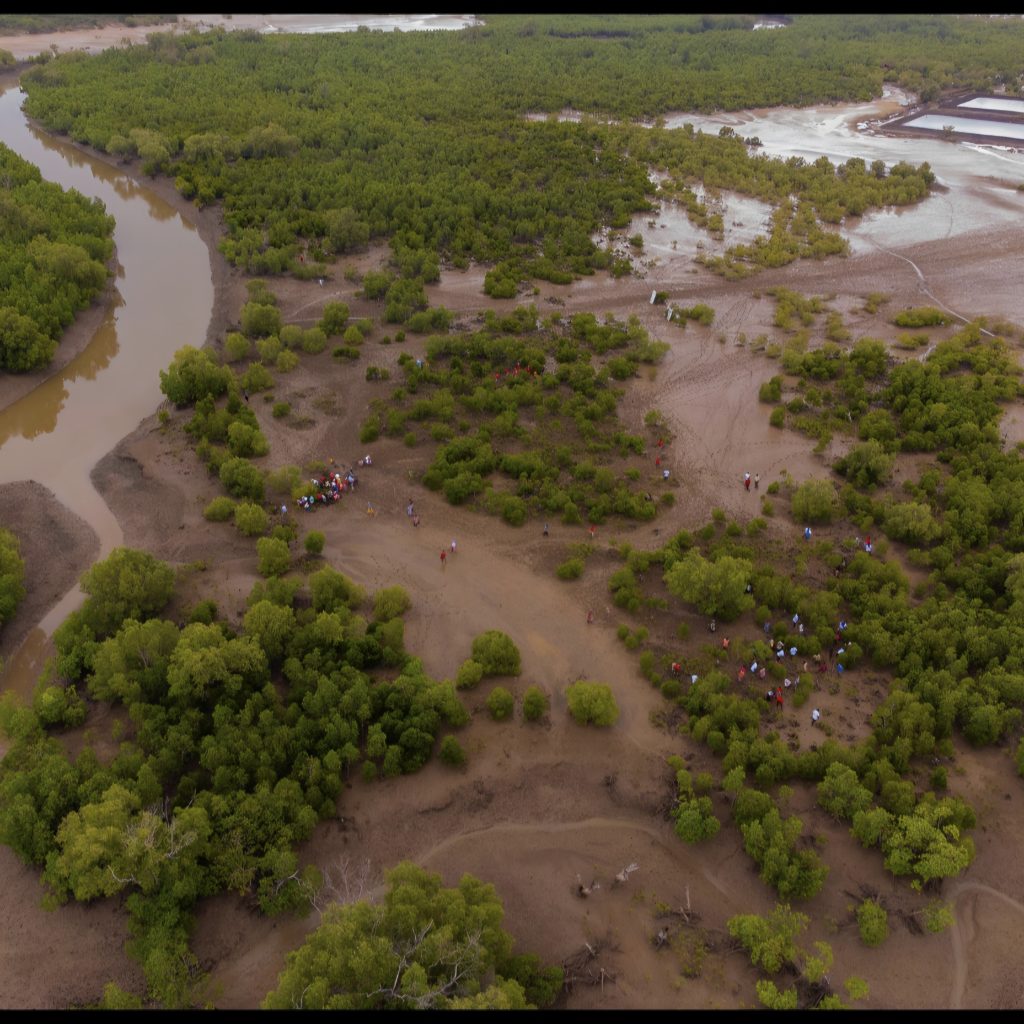









I often describe myself as a man of two worlds. I was born in Taita in 1963 and spent much of my childhood in a rural setting where food was simple, nourishing, and deeply rooted in tradition. Our daily meals consisted mainly of ugali accompanied by traditional vegetables. Another staple was kimanga, a hearty mash made from beans mixed with cassava, sweet potatoes, green bananas, or arrow roots.
Rice was a luxury. In our home, it was reserved for special occasions, particularly Christmas Day. The anticipation would build for weeks, and when the day finally arrived, a plate of rice served with beans or meat felt like the finest meal imaginable. Once Christmas passed, we would begin looking forward to the next opportunity to enjoy it.
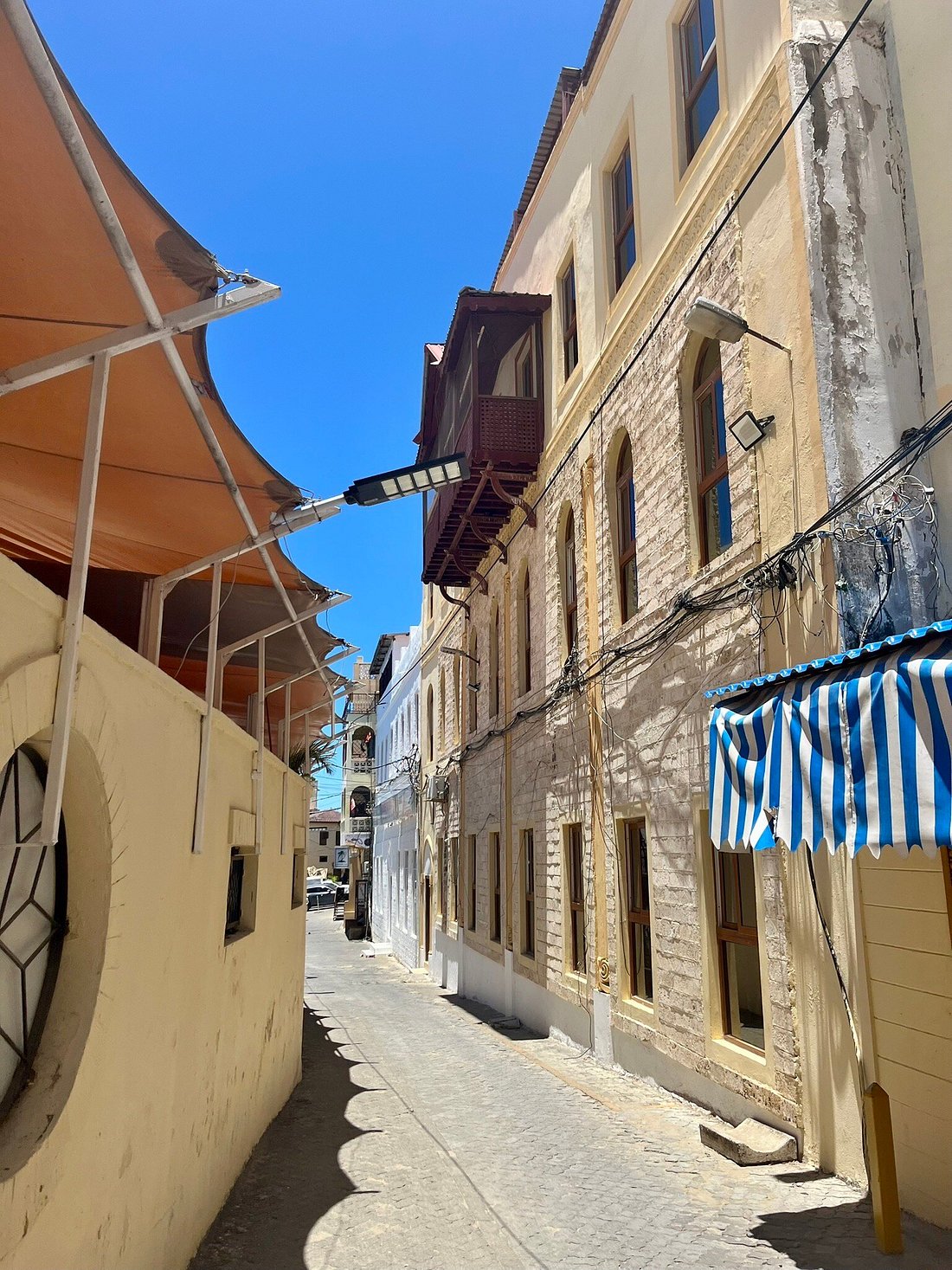
Everything changed in December 1976 when I arrived in Likoni, Mombasa South. For a young boy from Taita, it felt like entering a completely different world. At the time, Likoni was predominantly inhabited by the Digo community, one of the nine Mijikenda groups. Their way of life blended traditional African customs with centuries of Swahili influence. Their language, dress, hospitality, and food reflected a rich cultural heritage shaped by generations of interaction along the East African coast.

What fascinated me most was the food. Suddenly, familiar ingredients appeared in forms I had never imagined possible. Cassava, sweet potatoes, and bananas—foods I had known all my life—were transformed through the use of coconut milk into dishes that were both comforting and remarkably different. The aroma alone was captivating.
Then there was the rice. Back in Taita, rice had been a once-a-year luxury. In Likoni, I discovered that rice could become many different delicacies. Pilau, biryani, wali wa nazi, and mandi each possessed their own flavour, texture, and character. The careful blending of spices created aromas that drifted through neighbourhoods and announced celebrations long before guests arrived. Food became my first introduction to coastal culture. Over time, I learned that these dishes represented much more than culinary skill. They told stories of trade, migration, faith, and cultural exchange. The cloves, cardamom, cinnamon, and other spices reflected centuries of interaction between African communities and traders from Arabia, Persia, India, and beyond.
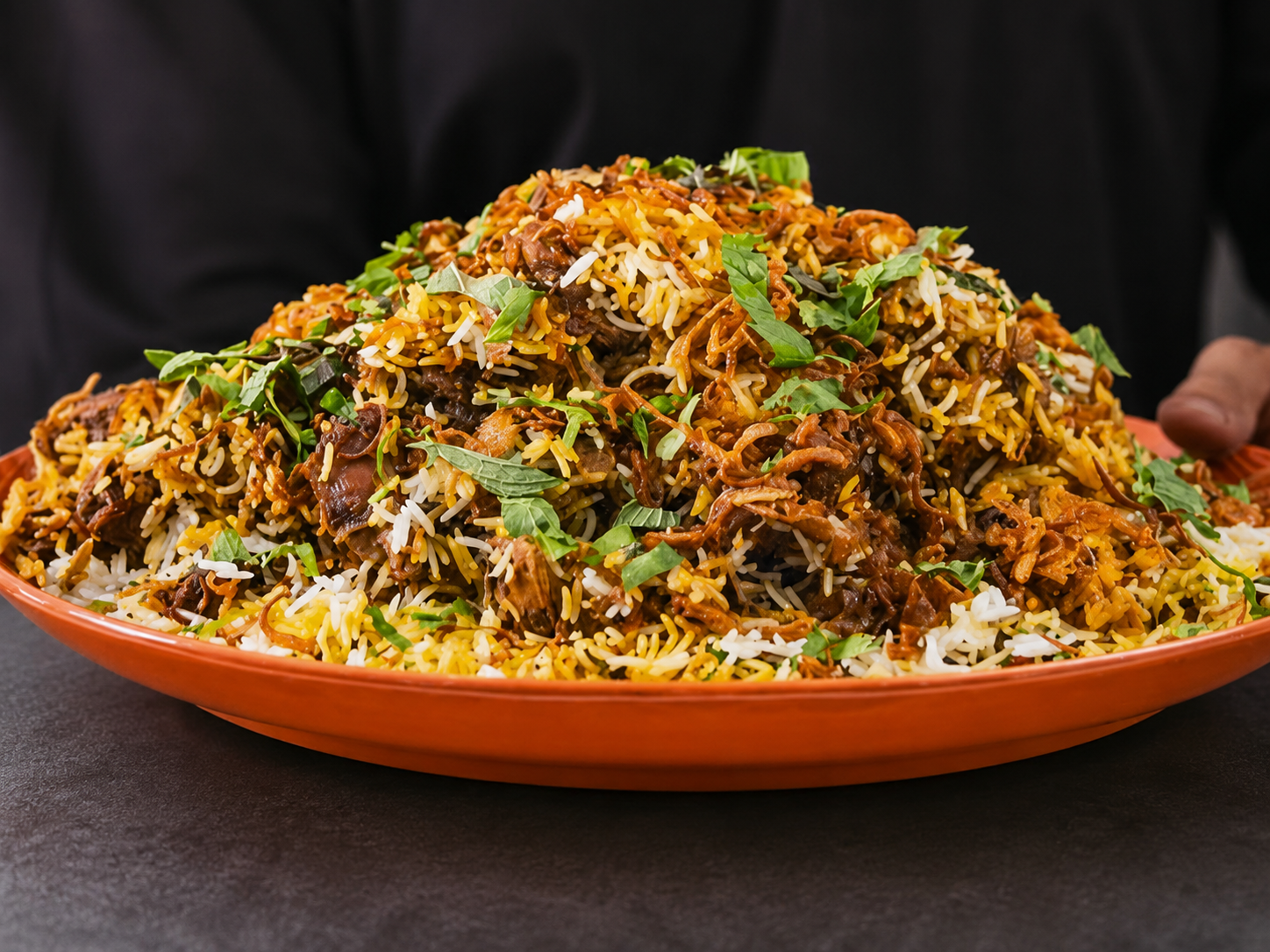
Food also became a bridge between communities. As people from different backgrounds settled in Likoni, friendships formed, cultures mixed, and families intermarried. Shared meals became opportunities to learn from one another. Through food, people who might otherwise have remained strangers found common ground.
Today, Likoni is home to people from virtually every corner of Kenya. Yet the influence of Swahili food culture remains remarkably strong. Many families who settled at the Coast adopted local recipes and later carried them back to their home counties. Dishes once associated mainly with coastal communities can now be found across the country.

Life in Likoni has always revolved around movement and connection, and nothing symbolizes this better than the Likoni Ferry. Since arriving in 1976, I have watched the ferry system evolve alongside the community itself. At the time, three ferries served the crossing: MV St. Michael, MV Mvita, and MV Safina. As the population grew, additional ferries including MV Harambee, MV Kilindini, MV Nyayo, MV Likoni, MV Kwale, MV Jambo, and MV Safari were introduced. For generations of Likoni residents, the ferry has been more than a means of crossing the channel. It is where stories are exchanged, friendships are strengthened, and everyday life unfolds. Older residents often joked: “The ferry is a wonder. It carries thousands of people every day without sinking, yet throw a shilling into the water and it sinks immediately.”
The younger generation has its own perspective. One young resident humorously observed: “Cross this place every day for five years and you’ll become fit enough to join a rugby team. If you live in Likoni, you don’t need to pay for a gym.”
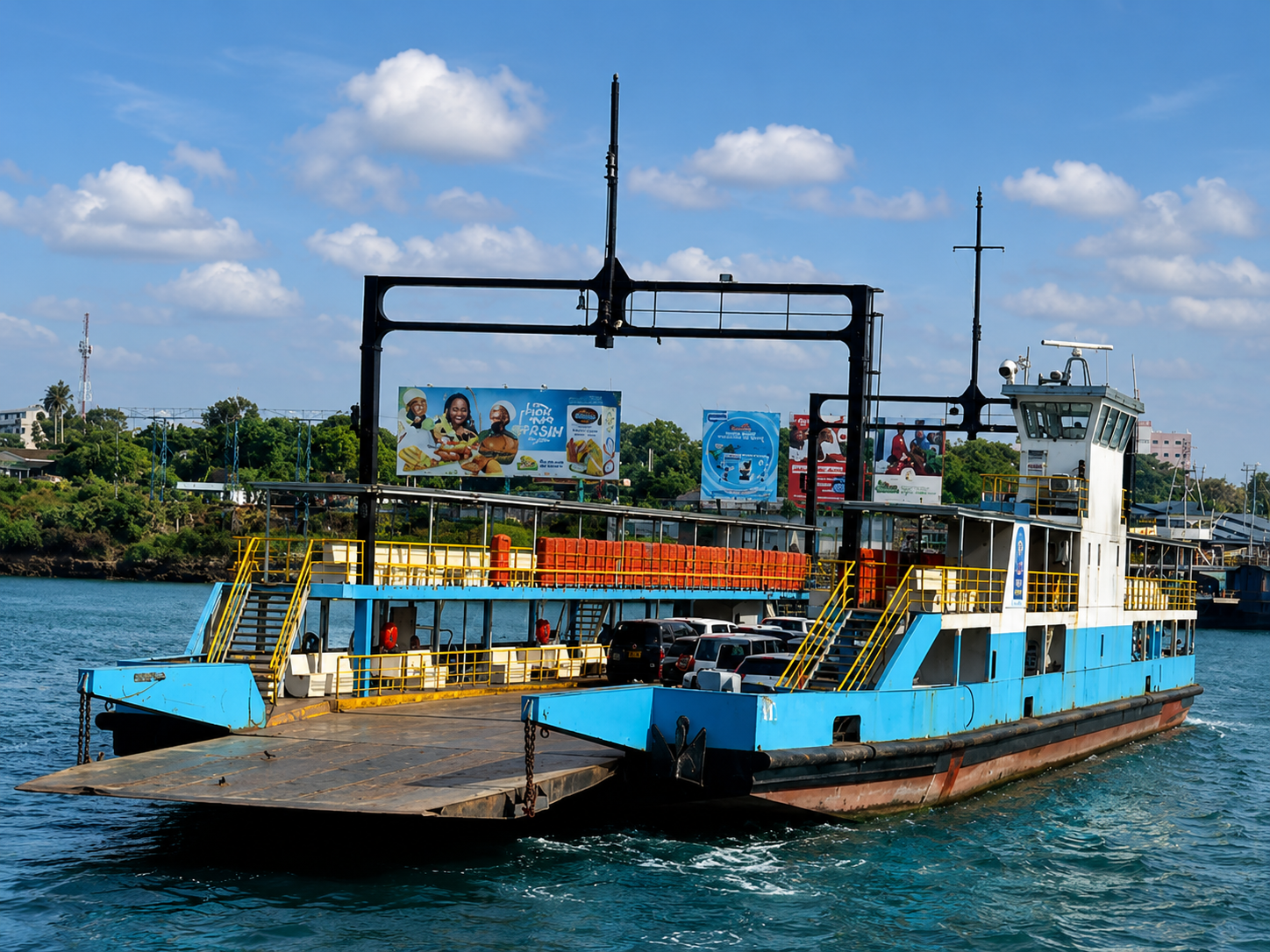
There is truth in the joke. The daily rush to catch the ferry, combined with long walks and busy schedules, has become part of the rhythm of life. Perhaps that is one reason why the rich and nourishing delicacies of the Coast are enjoyed with such enthusiasm. In Likoni, good food and daily exercise have long gone hand in hand.
Conversations with older residents reveal how food traditions have evolved over time. They recall a period when cassava cooked in coconut milk was a staple food and fish from the nearby ocean was plentiful. Fish was commonly boiled rather than deep-fried, and meals relied heavily on locally available ingredients. Over time, outside influences introduced new cooking techniques, ingredients, and recipes that gradually became part of coastal cuisine. Yet the spirit of the food culture remained intact: making the most of local resources while welcoming new ideas. The younger generation continues this tradition of adaptation.
While many young people still enjoy classic Swahili dishes, they are also creating new combinations that reflect modern Kenya’s increasingly interconnected society. It is now common to find traditional dishes from other communities enhanced with coastal spices. Githeri, kimanga, matoke, and various cereal dishes are often prepared using spice blends inspired by Swahili cooking.
Rather than replacing tradition, these innovations demonstrate its resilience. Swahili food culture continues to evolve while retaining its distinctive identity.
Looking back over nearly five decades in Likoni, I have come to appreciate that food is one of the most powerful carriers of culture. Recipes preserve history. Meals strengthen relationships. Shared tables encourage understanding between communities.

My own journey from Taita to Likoni taught me that food has the ability to transform strangers into neighbours and neighbours into family. That is why Swahili cuisine is about much more than pilau. It is a living record of the Coast’s history and a reminder that some of our strongest connections are made around a shared meal.