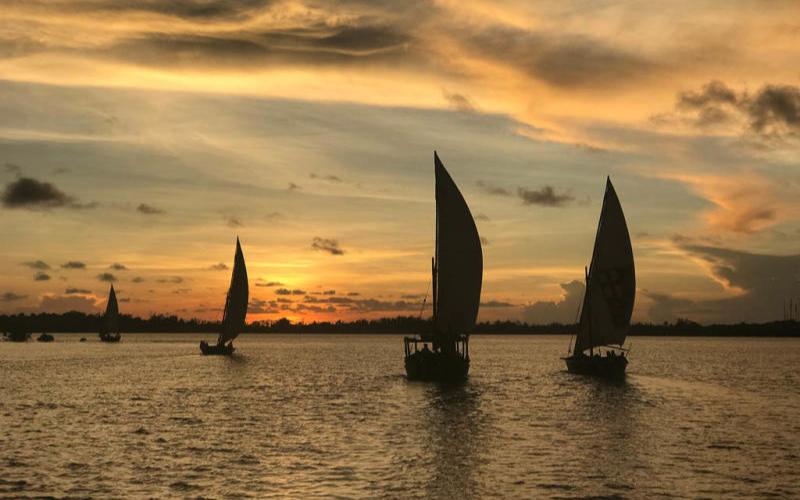



By 2:00 PM, Mtwapa looks like any sleepy coastal transit hub along the Mombasa–Malindi Highway. Local matatus roll past the main stage, fruit and vegetable vendors hawk their produce under umbrellas, and the heat keeps foot traffic moving slowly.
By 6:30 PM, the atmosphere shifts completely. Neon signs light up, roadside speakers start thumping, and Mtwapa transforms into a 24-hour party economy. Known across the Coast as the town that never sleeps, it caters to everyone from high-spending night owls sipping spirit bottles in creek-side lounges to commuters looking for a KSh 350 beer and a KSh 100 plate of mishkaki at 3:00 a.m.
But Mtwapa after dark is not simply a matter of following the main road from one club to another. The nightlife spreads through different parts of town, from established clubs and lounges to roadside pubs, food stalls, creek-side spots and the smaller joints tucked into the neighbourhoods beyond the main stage. Knowing how the night moves—and where your budget fits—makes all the difference.
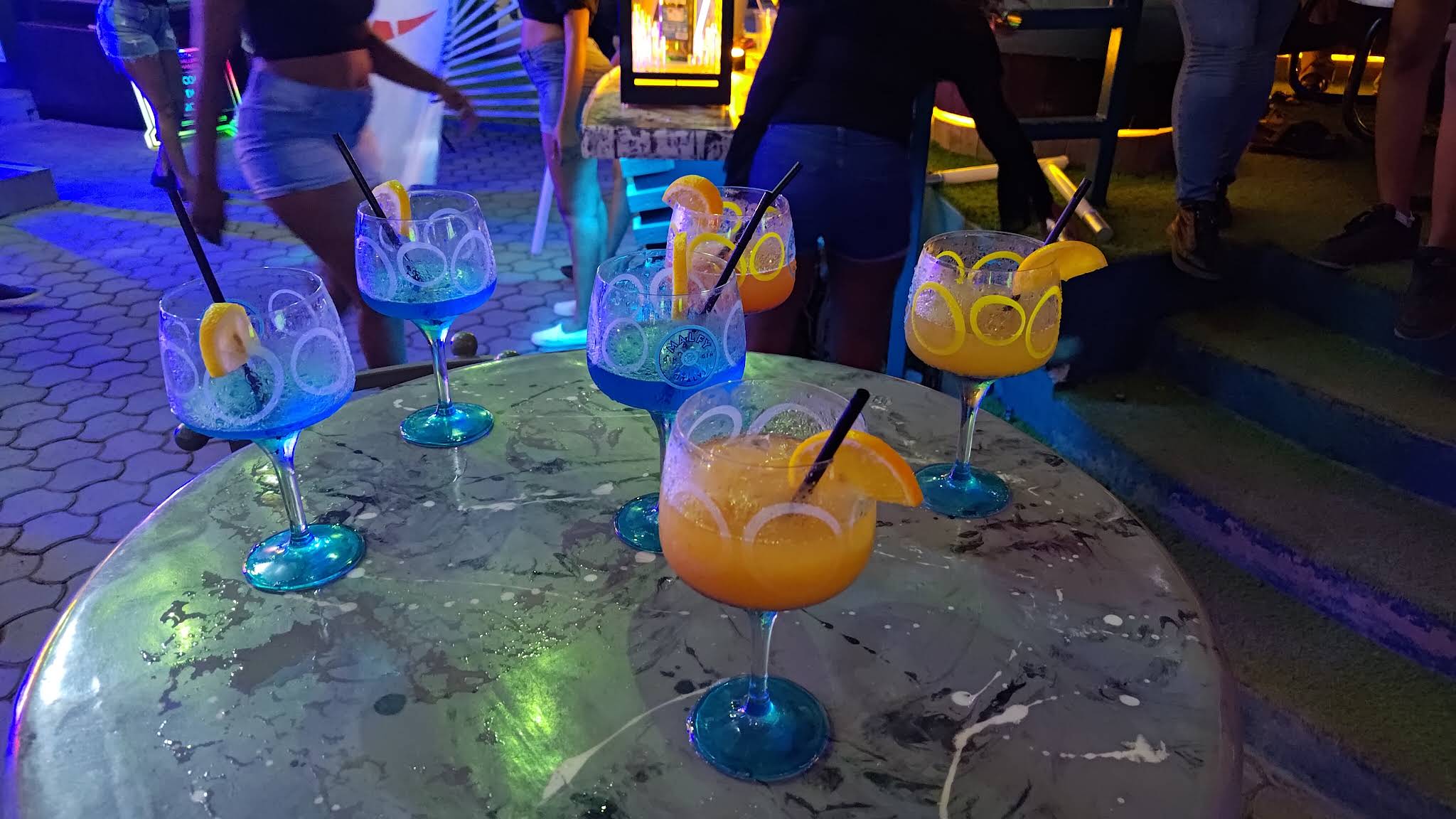
Mtwapa’s drinking scene covers a wide range of budgets. You can spend the evening in an air-conditioned lounge with plush seating, DJs and bottle service, or settle into a plastic chair at a roadside joint and still be part of the action.
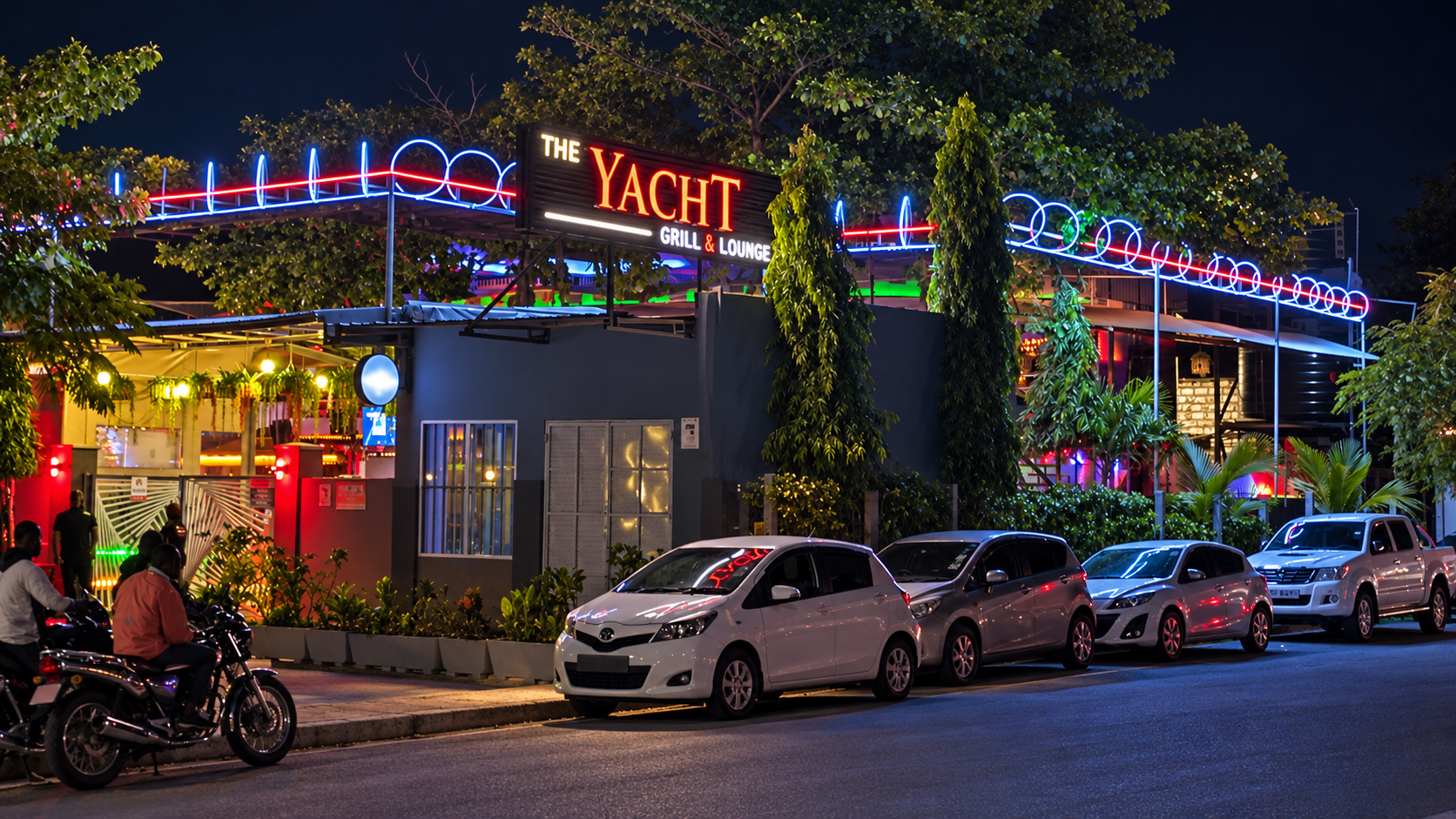
At the more established lounges and creek-side venues, a local beer generally runs around KSh 350–KSh 400, while a full bottle of spirits starts at about KSh 3,000 and single shots can cost KSh 450 or more. Among the better-known names are The Yacht Lounge, Screenshot Club, Casaurina Club & Casino and Naiz Club.
For a tighter budget, the local pubs, wines and spirits shops and open-air joints offer a different version of the Mtwapa night. Car Park Wines & Spirits, Davinci, The Tribe and Kipapuro are among the places to consider when you want to keep the whole night around KSh 1,000–KSh 1,500.
The local beer baseline is about KSh 350, while the atmosphere is louder, more casual and often packed earlier than the bigger lounges. These are the places where people start the night, meet friends, have a few drinks and decide where to go next before the bigger clubs fill up after midnight.
And that timing matters. If you show up at a club at 9:00 PM expecting Mtwapa at full volume, you may find yourself sitting in an almost empty room.
The night has its own rhythm. From about 6:30 PM to 9:30 PM, the evening is still warming up: local pubs start filling, dinner is happening and the street-food grills come alive. Between 10:00 PM and 1:00 AM, the crowds begin moving around town, with places around Robert Chips Parlour opposite Posta, Kandara and Davinci becoming part of the night’s movement.
By 2:00 AM, the energy has shifted again. This is when the bigger venues begin reaching their peak, with The Yacht Lounge, Screenshot and Casaurina among the places where the night can properly get going. And for the people who are nowhere near ready to go home, the party can continue through 4:00 AM and into sunrise, with crowds still moving between The Yacht, Casaurina, Davinci and Screenshot.
This is one of the things that makes Mtwapa different from a conventional nightlife district: the night does not simply happen in one entertainment complex. It moves. People spill out of clubs, cross the road for food, head to another joint, disappear into a neighbourhood spot and reappear somewhere else hours later.
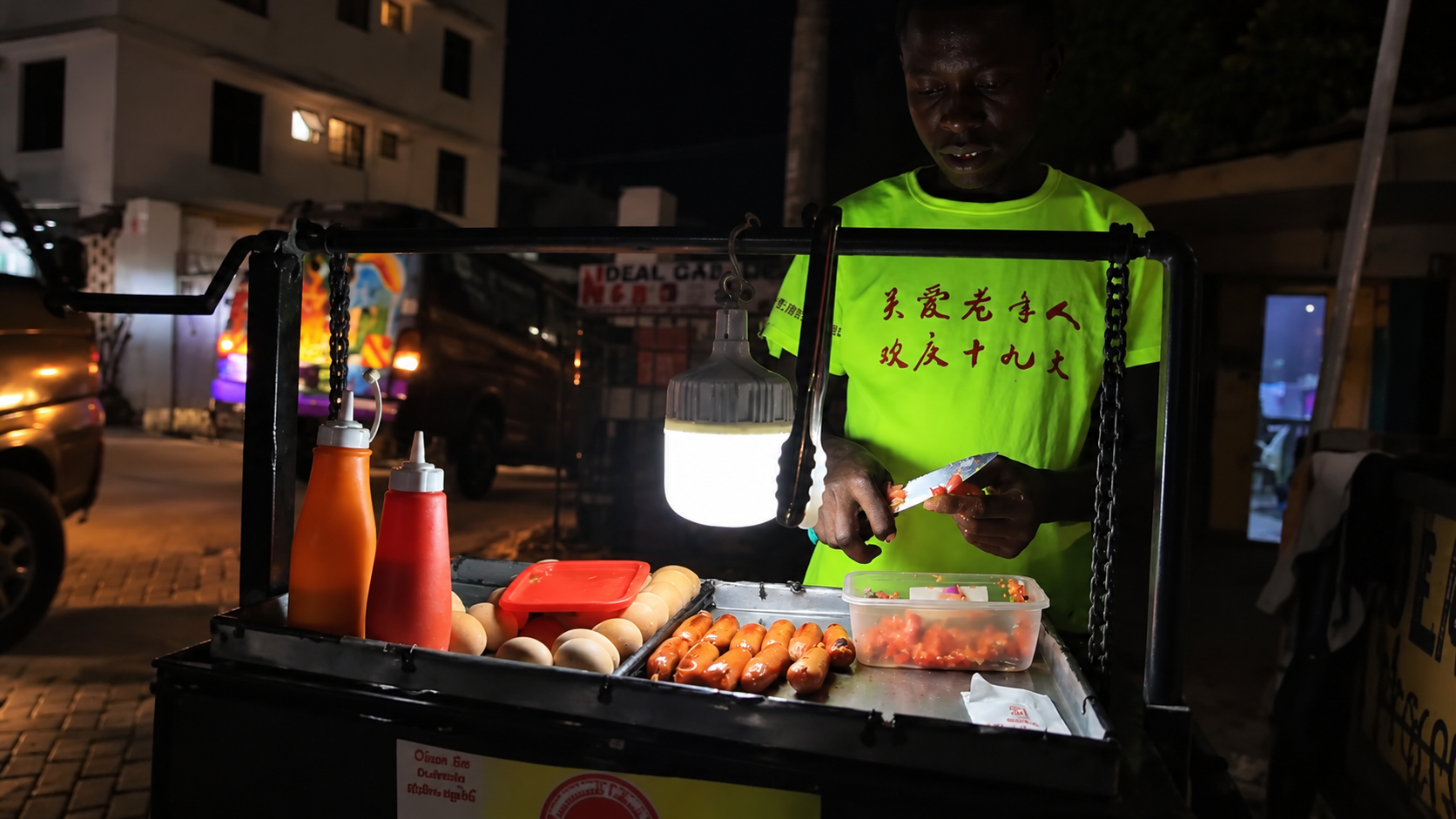
Eventually, even the most committed night owl needs food.
Mtwapa does not make you wait for breakfast. Street-food vendors set up around the nightlife, often directly outside major club exits, while 24-hour eateries serve proper sit-down meals through the night.
A KSh 100 mishkaki is one of the easiest late-night options: beef grilled fresh over open charcoal and eaten straight from the skewer. Chips mayai will cost around KSh 250, while a KSh 100 shawarma works when you want something quick. For something warmer and more substantial, a KSh 50 cup of supu ya mbuzi is the kind of 3:00 a.m. meal that makes sense only after you’ve been out for hours.
There are also the familiar street classics, smokies with kachumbari, mayai pasua, smocha, samosas, hot dogs and mutura—served well into the night.
If you want to sit down properly at 4:00 AM, places serving Swahili dishes, chapati, coconut beans or chicken and chips can be found around the town. Swahili Dishes, Palacia and the local cafeterias clustered around opposite Posta and the Mtwapa Main Stage are among the options, with an average meal costing roughly KSh 200–KSh 400.
And if the night has gone on longer than planned, Mtwapa has budget accommodation close enough to make staying over practical. Short-stay guest houses and basic lodges sit just off the main areas, with rooms starting around KSh 1,000 for a basic fan room with a private bathroom.
Mount Zion Paradise Guest House in Mtomondoni, Mundo Guest House in central Mtwapa, Hippo Guest House behind Equity Bank, Zion Plaza Guest House off Malindi Road opposite National Bank, and Peluma Guest House & Summerday Resort are among the names to know if you need somewhere to sleep after the last matatu has gone.
Getting home safely is the final part of the Mtwapa night.
The main highway areas remain busy and lit for much of the night, but the character of the town changes quickly once you leave the better-lit roads. After midnight, avoid walking alone along dark side streets or inner estate paths, particularly around areas such as Mtomondoni, —Mtipesa including the darker stretch behind National Bank—Maweni and Mzambarauni.
For short trips within Mtwapa, a boda-boda may cost around KSh 50, while a tuk-tuk can be around KSh 100 depending on the journey. For a late-night trip towards Bamburi or Nyali between roughly 2:00 AM and 5:00 AM, expect to pay around KSh 500–KSh 600 in total, depending on the exact destination and driver. Ride-hailing services such as Bolt and Uber are another option, while trusted boda drivers at established stage points in front of major clubs can be useful for shorter trips.
The golden rule is simple: enjoy the energy, but do not assume the whole of Mtwapa is equally safe to walk through at 3:00 AM. Move in groups where possible and use direct, door-to-door transport when heading into quieter areas. Keep your phone in your pocket when standing near the roadside, and never wander alone down a quiet side alley after midnight.
Mtwapa’s nightlife works because it is not polished into one neat entertainment district. It is noisy, improvised, sprawling and constantly moving. One minute you can be drinking in a busy club, the next eating mishkaki beside the road, negotiating a boda ride or looking for a room before sunrise.
That is Mtwapa after dark: part club town, part roadside economy, part neighbourhood social life—and very much awake long after the rest of the Coast has gone to bed.